
Last updated October 30, 2026
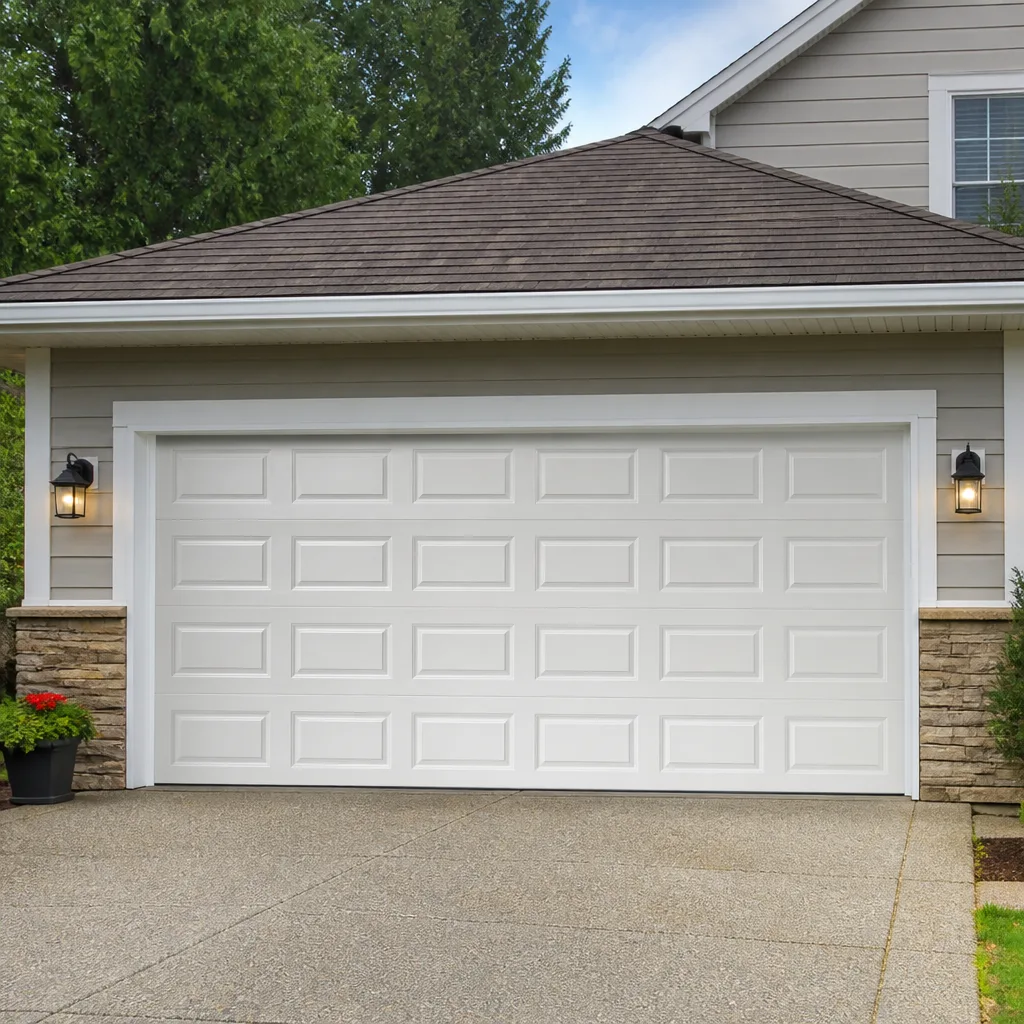 Raised-panel steel
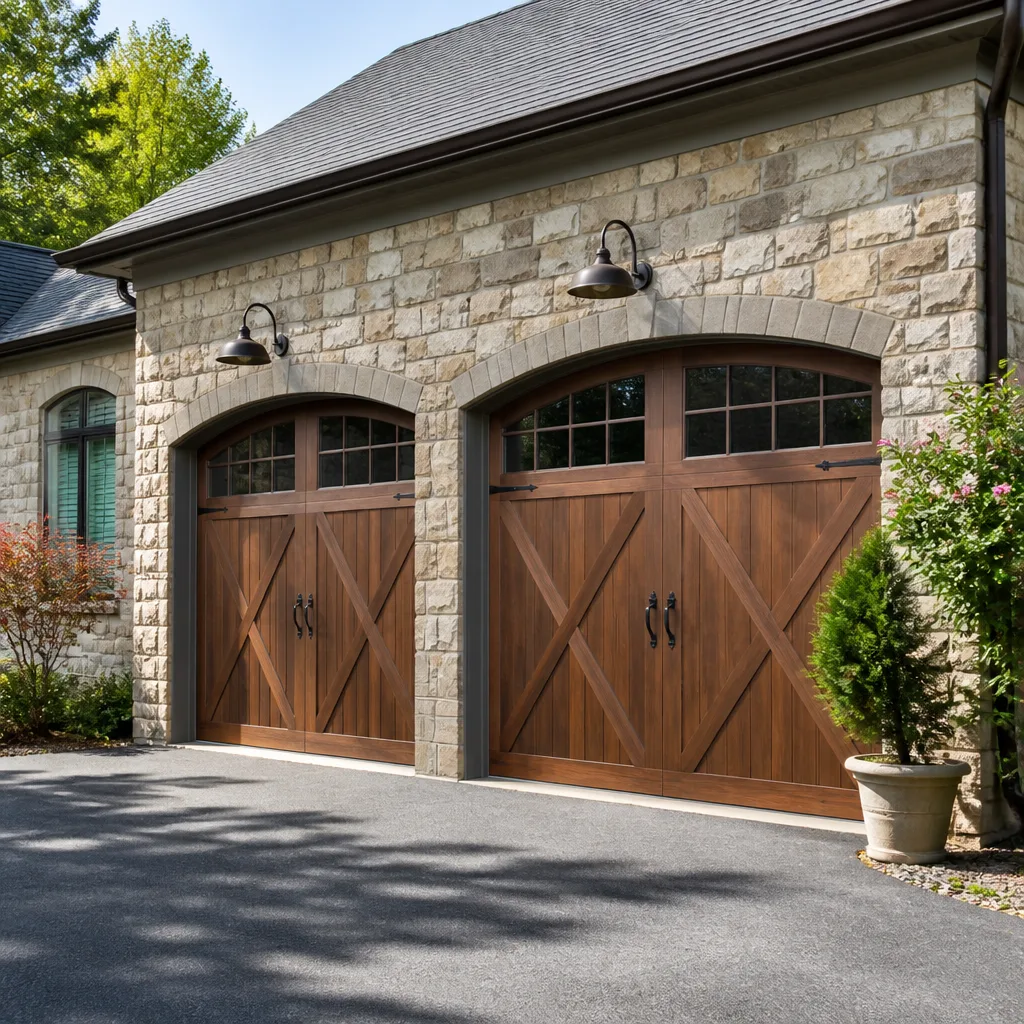 Carriage house
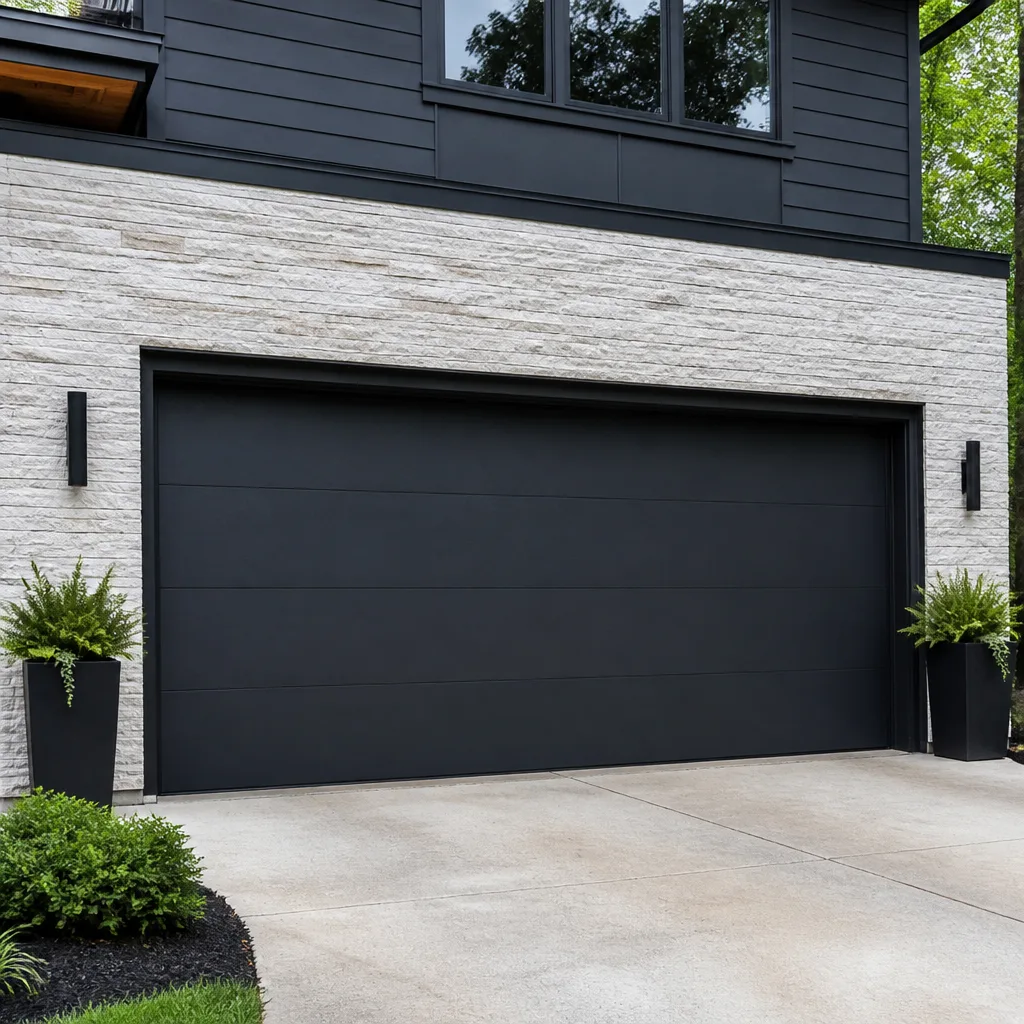 Modern flush
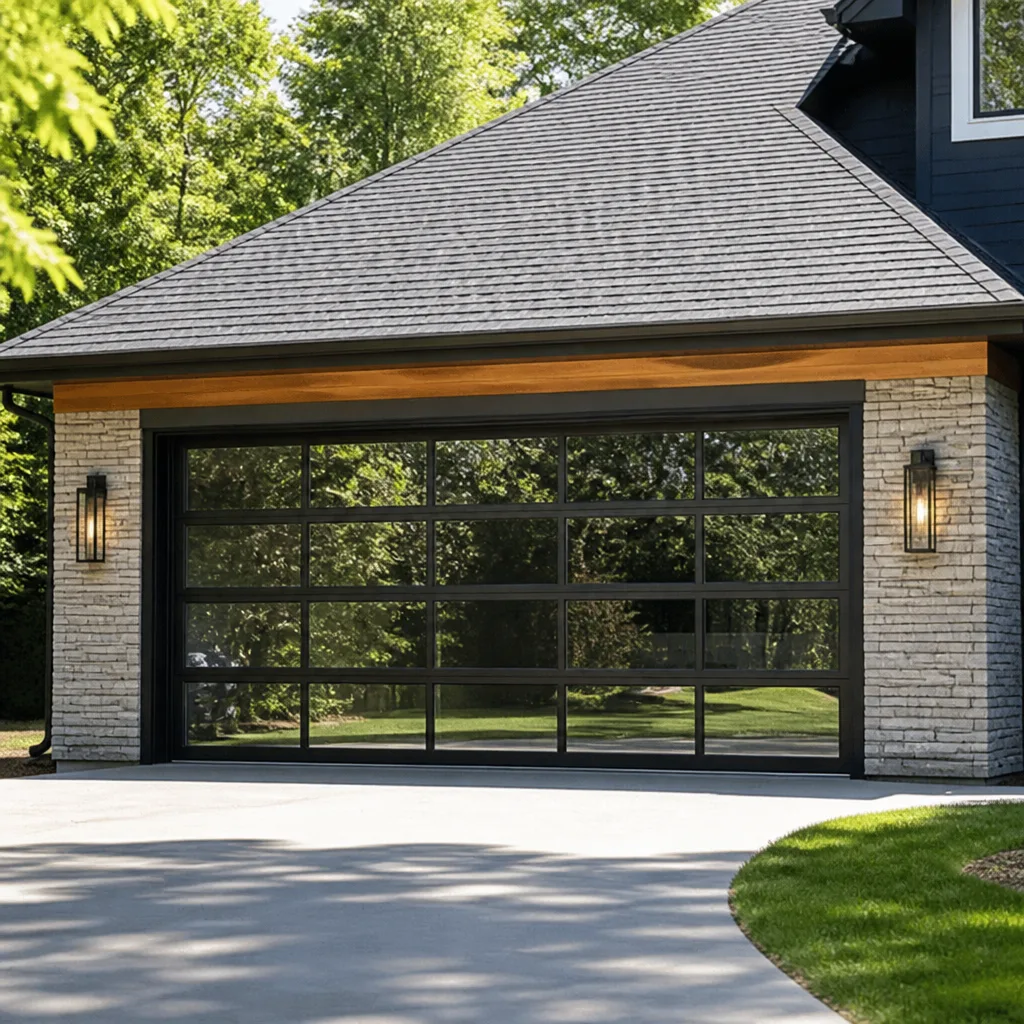 Full-view glass
 LiftMaster openers
 Chamberlain openers
Full 25-point door and opener safety check with every visit - springs, cables, rollers, tracks, and your LiftMaster or Chamberlain opener included
You get a price before we start. It does not change when the truck arrives.
Get your free estimateDIY vs Professional Garage Door: The Hollywood Homeowner’s Decision Guide
A torsion spring on a double-wide garage door stores roughly the same kinetic energy as a .357 Magnum round. That’s not a scare statistic. It’s the physics that separates a Saturday afternoon project from a hospital visit. The honest answer to “DIY or pro?” was never about how handy you are. It’s about which specific tasks carry real danger, which ones trigger Florida permitting rules, and which ones void the manufacturer’s warranty the moment you touch them. This guide draws that line task by task, so you’ll know exactly what you can handle this weekend and what needs a call to a technician in Hollywood. For Garage Door Cost Breakdown: The Hollywood Homeowner’s Reference for 2026, see our dedicated pricing guide.
Styles & brands we work with
Quick Answer
Most garage door maintenance tasks are DIY-safe: lubricating rollers, tightening hardware, replacing weatherstripping, reprogramming openers, and painting panels. But torsion spring replacement, cable work under tension, and full door installation involve hundreds of pounds of stored force and Florida building code requirements that make professional service the only sensible choice. The rule is simple: if the task requires you to touch a spring, cable, or the structural track system, call a pro.
Table of Contents
- The Definitive Task List: Safe, Borderline, and Never DIY
- Why Torsion Springs Are the Line Nobody Should Cross
- Florida Code and Permit Rules for DIY Garage Door Work
- Brand-Specific DIY Guidance: What Your Opener Will and Won’t Let You Do
- The True Cost of DIY: Tools, Time, and the Risk Premium
- Hollywood-Specific Factors: Salt Air, Humidity, and Hurricane Season
- Common Mistakes to Avoid
- When to Call a Professional
- Frequently Asked Questions
- The Bottom Line
The Definitive Task List: Safe, Borderline, and Never DIY
We’ve diagnosed thousands of garage doors across Hollywood, from Lakes to Emerald Hills to Hollywood Hills. The pattern is consistent: homeowners save real money on the easy stuff, then lose it all (and more) when they cross into spring territory. Here’s the complete breakdown of what’s genuinely yours to handle, what’s borderline, and what should never be attempted without professional training.
Six Tasks a Homeowner Can Safely Do
- Lubricating rollers, hinges, and tracks. A can of white lithium grease and ten minutes keeps your door quiet. Use a garage door specific lubricant, not WD-40, which attracts grime over time.
- Tightening loose hardware. Bolts and brackets vibrate loose with daily use. A socket set and a quick pass over the track brackets prevents bigger problems later.
- Replacing weatherstripping. The rubber seal at the bottom of the door degrades under Florida sun. A new strip costs under $30 and slides in with no tools beyond a hacksaw and patience.
- Reprogramming your opener’s keypad. All four major brands we service, including Chamberlain and LiftMaster, use a simple learn-button sequence that takes under two minutes. The instructions are printed right on the motor unit.
- Replacing the remote battery. If your opener works from the wall button but not the remote, it’s a $4 coin cell. Fix it at the kitchen table.
- Painting the exterior panels. This is aesthetics, not mechanics. Use a paint formulated for metal or wood composite, and the door will look better without compromising its function.
Three Tasks That Require Tools Most Homeowners Don’t Own
- Replacing rollers. The bottom rollers on a standard door sit in a bracket under tension from the cable system. Getting them out safely requires winding down the cables or using a specialized tool to hold the door in place. A set of vice grips and determination is not enough.
- Replacing a broken cable. Cables work in concert with the springs. When one snaps, the remaining components shift under uneven load. Fixing this correctly means restoring balanced tension across the entire system, which requires winding bars and a torque wrench.
- Replacing the opener’s drive gear or belt. Some Chamberlain and LiftMaster models make this accessible, but the job requires opening the motor housing, handling the circuit board, and re-timing the travel limits. It’s a two-hour job for a trained tech with the right tools, and a stripped plastic gear is a common outcome for a first-timer.
Two Tasks That Should Never Be DIY’d, Regardless of Skill
Torsion spring replacement. Full stop. This is the non-negotiable line. More on the physics below, but the short version is: the spring is under enough tension to remove a finger or open a scalp, and the release happens in milliseconds.
Replacing or adjusting the track system. The track guides hundreds of pounds through a precise arc every single cycle. When it’s misaligned, the door binds. When it binds enough, it comes off the track entirely, and a falling garage door is a lethal object. Track work requires leveling, measuring, and testing that can’t be eyeballed.
Why Torsion Springs Are the Line Nobody Should Cross
In our experience on garage door repair calls in Hollywood, the single most common misconception is that a torsion spring is “just a big spring.” It’s not. It’s a mechanical energy storage device. A standard residential torsion spring on a 16-foot door is wound between 7 and 8 full turns at installation, storing over 100 foot-pounds of rotational force. When you wind a spring, you’re not just tightening metal; you’re banking enough energy to lift a 250-pound door hundreds of times. Every one of those turns wants to release, and the only thing holding it back is a set screw.
The danger isn’t just the spring itself. It’s what the spring is attached to. The winding cone, the cable drum, and the center bearing all sit on a torsion tube that runs the width of the door. When a spring breaks, that stored energy releases in under a second. The winding cone becomes a projectile. In a Hollywood garage with a finished ceiling, that means drywall damage at best. In an unfinished garage, it means a metal part moving fast enough to break bone.
Professional replacement involves a set of matched winding bars inserted into the winding cone, wound in precise quarter-turn increments, and set with the correct number of turns for the door’s exact weight and height. Too few turns and the door won’t stay up. Too many and it slams into the ceiling when you hit the opener. There is no safely rigging an alternative. We’ve seen a homeowner use screwdrivers as winding bars. We’ve also seen the screwdrivers bent into L-shapes when the spring released mid-wind. This is the task where the risk of serious injury is not hypothetical, and it’s why every professional in the trade treats spring work with the same caution as electrical panel work.
Florida Code and Permit Rules for DIY Garage Door Work
Florida’s building code treats garage doors as structural components, not just appliances. That distinction matters when you’re deciding whether to do the work yourself, especially in Hollywood where wind-load requirements are strict. A garage door on a home in Broward County is part of the wind-borne debris protection system, particularly if the garage sits on the windward side of the house or the home is in a flood zone, which many Hollywood neighborhoods near the Intracoastal are. For full details on the regulatory side, read our guide to Garage Door Permits, Codes & Inspections in FL: What You Need to Know.
The rule that surprises most homeowners: you need a permit to replace a garage door in Hollywood if the replacement door has a different wind-load rating than the original, or if you’re changing the structural opening in any way. That includes replacing a non-hurricane-rated door with a hurricane-rated one, which is technically an upgrade but still requires documentation. A permit is also required when the door weight changes significantly, which happens when you swap a steel door for a wood door or add insulation layers.
Here’s what that means for DIY: if you replace your door yourself and skip the permit, two things can happen. First, your homeowner’s insurance company can deny a claim related to wind damage, since unpermitted structural work gives them an out. Second, when you go to sell the house, a title search or inspection can flag the unpermitted door, and you’ll be paying for a retroactive permit plus any corrections the inspector requires. We’ve seen Hollywood listings delayed for exactly this reason.
Repair work is different. Replacing a spring, a cable, a roller, or an opener motor does not require a permit in Hollywood, because you’re restoring the door to its original specification rather than changing it. That’s the key distinction: repair is maintenance, replacement is construction. If you’re not sure which side of the line your project falls on, the city of Hollywood’s building department confirms it with a quick phone call.
Brand-Specific DIY Guidance: What Your Opener Will and Won’t Let You Do
Opener manufacturers have quietly made the DIY decision easier. Modern openers from the brands we service most often in Hollywood, LiftMaster and Chamberlain, are designed with homeowner-accessible programming features. Older and budget units from other brands are not. Knowing which one you have tells you whether you’re doing a five-minute reset or calling a technician.
Chamberlain and LiftMaster are the most homeowner-friendly. Both brands use a wall console with a learn button, and both publish reset instructions directly on the motor housing. If your opener is running short of its limits, or the remote lost its pairing, the reset sequence is: press and hold the learn button until the light changes, reprogram the remote within 30 seconds, then reprogram the travel limits using the up and down arrows on the wall console. It’s genuinely doable by anyone who can follow printed instructions, and these two brands account for the majority of openers we see in Hollywood garages.
Genie is the opposite end of the spectrum, especially on older models. Some Genie units built in the 90s and early 2000s require a calibration tool, essentially a small screwdriver-like device with a specific tip, to reset travel limits correctly. Without it, the opener will under-travel or over-travel, which means the door either doesn’t close fully or reverses when it hits the floor. Genie also uses a different programming sequence for remotes on some models that isn’t printed on the unit, so a homeowner following Chamberlain instructions on a Genie opener gets stuck. If you have a Genie and you’re not sure of the model year, it’s worth checking the manual before attempting a reset, or having garage door opener repair in Hollywood handle the diagnostic.
Craftsman and Raynor round out the commonly seen brands. Craftsman openers, which are manufactured by Chamberlain under license, share the same learn-button programming as Chamberlain units, so they’re DIY-friendly. Raynor doors are often paired with Chamberlain or LiftMaster openers, so the opener side is manageable, but Raynor doors themselves use proprietary hardware that makes DIY spring or cable work more difficult, even for someone with general experience. The hardware is just different enough to frustrate a homeowner who’s watched a YouTube tutorial for a different brand.
The True Cost of DIY: Tools, Time, and the Risk Premium
The math on DIY garage door work looks great until you account for the full cost of the attempt. We’ve seen the calculation done correctly by Hollywood homeowners and incorrectly, and the difference comes down to three factors most people miss.
Tool rental is the first. Replacing a torsion spring requires a pair of winding bars. If you don’t own them, you’re renting them from a tool library or buying them for $20 to $40. That’s the cheap part. The expensive part is that spring replacement also requires you to correctly identify the spring’s wire size, inner diameter, length, and wind direction. Get any one of those wrong, and you’ll either install a spring that doesn’t lift the door or one that over-lifts it, and you’ll discover the mistake after you’ve spent the afternoon winding it into place.
Time is the second factor. A professional spring replacement takes under an hour. A first-time DIYer should budget four to six hours, plus the time spent sourcing the correct spring online and waiting for shipping. If you value a weekend of your time at even minimum wage, the savings shrink fast. And if you need to make a second attempt because the first spring was misidentified, you’ve now paid for two springs and two weekends.
The risk premium is the third and least appreciated factor. Hollywood is in a hurricane zone, which means many homes in the area have hurricane-rated doors that weigh more than standard doors. A DIY spring replacement on a hurricane-rated door is more dangerous because the spring is under higher tension. A mistake on a standard door might mean a damaged panel. A mistake on a hurricane-rated door can mean a detached door, a broken cable, or worse. When you add the potential cost of a repair after a failed DIY attempt, the professional quote is usually the cheaper option.
Here’s a realistic comparison for a typical torsion spring replacement in Hollywood, based on what we see in the field:
- Professional replacement: Typically $180 to $340, includes both springs (replaced as a matched pair), balancing, and safety inspection. Done in under an hour, with a warranty on the parts.
- DIY attempt: $50 to $90 for the spring pair shipped, $25 for winding bars or rental, 4 to 6 hours of labor, and a 30 to 50% chance of a mistake that requires calling a professional anyway. Total: $75 to $115 in parts and tools, plus either a lost weekend or a service call on top.
The break-even point isn’t close. The only tasks where DIY genuinely wins are the six safe tasks listed above. Everything else, you’re paying for the education rather than the fix.
Hollywood-Specific Factors: Salt Air, Humidity, and Hurricane Season
Hollywood’s climate shapes garage door maintenance decisions more than most homeowners realize. The salt air that comes off the Atlantic, especially in neighborhoods east of Federal Highway like Hollywood Beach and the Lakes, accelerates corrosion on every metal component in the door system. Springs, hinges, rollers, and cables all rust faster here than they do 20 miles inland, and rust is a silent killer for garage door hardware.
What that means practically: a spring that would last 10 years in Orlando might last 7 in Hollywood. Rollers with steel bearings seize up faster. The bottom bracket that holds the cable gets pitted and weakens. The recommended maintenance interval in this climate is once every 6 months, not once a year. A quick visual inspection before hurricane season starts in June is the single best habit a Hollywood homeowner can build, because a garage door is your primary wind protection once you’ve closed it ahead of a storm. Our Garage Door Emergency Preparedness Guide for Hollywood Homes walks through exactly what to check.
Humidity is the second factor. The humid Hollywood air can cause wood doors to swell, which changes the door’s weight slightly and throws off the spring balance. Composite and steel doors are less affected, but any door with wood components will feel tighter in August than it did in January. If you notice your door requires more effort to lift manually in the summer, that’s the humidity, not a broken spring. Lubricating the hinges and checking the balance twice a year keeps it from becoming a real problem.
Hurricane season changes the calculus on DIY. Before a storm, the priority is making sure the door is reinforced and the opener is in good working order. A Hollywood homeowner should not attempt to install a hurricane brace or reinforce a door without understanding the wind-load requirements for Broward County, which are stricter than the state minimum. This is territory where code knowledge matters, and an incorrectly reinforced door can fail exactly when you need it to hold.
Common Mistakes to Avoid
- Using the wrong lubricant. WD-40 is a solvent, not a lubricant. It strips existing grease and leaves metal dry. Use white lithium grease or a silicone-based garage door lubricant, and apply it to rollers, hinges, and the spring only.
- Adjusting the spring tension yourself. If your door isn’t balanced, the spring may simply be set wrong. Adjusting it means winding or unwinding under full tension. Every professional in the trade will tell you this is the one task that injures experienced techs too. Don’t do it.
- Replacing a single spring on a two-spring door. When one spring breaks, the other has been through the same number of cycles and is near the end of its life. Replacing only the broken one means paying for labor twice when the second spring fails a few months later. Always replace springs as a matched pair.
- Ignoring the safety reverse test. All modern openers in Hollywood homes have a safety reverse mechanism that stops the door if it hits an obstruction. After any DIY work, test it with a 2×4 laid flat under the door. If the door doesn’t reverse, the opener is unsafe, and you need professional opener repair before using it again.
- Painting the weatherstripping along with the door. The rubber seal at the bottom of the door needs to stay flexible. Paint it, and it will crack the first time the door cycles. Remove it or tape it off before painting the panels.
- Skipping the permit on a new door installation. This is the mistake that shows up months later when you’re selling or filing an insurance claim. In Hollywood, a door replacement that changes the wind-load rating needs a permit, and the cost of fixing an unpermitted install is always higher than the permit fee would have been.
When to Call a Professional
Call a professional when the task involves a spring, a cable, a track, or a door replacement. Those are the four categories where the risk of injury, the chance of a code violation, or the cost of a mistake outweighs any savings. You should also call when your opener has symptoms beyond simple reprogramming: a motor that runs but doesn’t move the door, a door that reverses for no reason, or grinding noises from the motor housing. These are diagnostic problems, not button-press problems. Bright Star Garage Door Repair offers free estimates in Hollywood, and we’re equipped to handle everything from a snapped spring to a full door replacement. Call (833) 589-8106 and we’ll give you a straight answer about what’s wrong and what it costs to fix before any work starts.
Frequently Asked Questions
Torsion spring replacement in Hollywood typically costs between $180 and $340, depending on the door size, spring type, and whether you have a single or double spring setup. The labor is usually done same-day or next-day. Call (833) 589-8106 for an exact quote, estimates are free.
You can replace a garage door yourself, but in Hollywood you’ll likely need a permit if the new door has a different wind-load rating than the old one, and you’ll need to install it to Broward County wind-load standards. A professional installation handles the permit documentation and ensures the door meets code.
The safe DIY repairs are lubricating moving parts, tightening hardware, replacing weatherstripping, reprogramming your keypad or remote, and painting exterior panels. Anything involving springs, cables, or track alignment falls on the professional side of the line.
Yes. A torsion spring stores enough energy to lift a 250-pound door hundreds of times, and if it releases unexpectedly while you’re winding it, the winding cone becomes a fast-moving metal object. This is the single most dangerous repair in residential home maintenance.
In Hollywood, the salt air and humidity mean you should lubricate and inspect your garage door every 6 months, ideally in spring before hurricane season and again in the fall. Rust and corrosion accelerate faster near the coast than inland here.
Yes. Chamberlain, LiftMaster, and Craftsman openers are designed for homeowner programming and have learn-button resets. Some older Genie models require a calibration tool for limit resets that most homeowners don’t own. Raynor doors use proprietary hardware that makes spring work harder to DIY even if you’ve done it on another brand before.
The Bottom Line
The DIY-versus-professional line for garage doors in Hollywood isn’t about pride or skill. It’s about stored energy, code requirements, and the cost of a mistake on a hurricane-rated door. You can safely handle lubrication, weatherstripping, keypad programming, and the other maintenance tasks we’ve outlined, and you should, because they’re simple and prevent bigger problems. But springs, cables, tracks, and full installations belong with a trained technician who carries the right tools and understands Florida wind-load requirements. For more guides & resources on keeping your door safe and code-compliant, explore our blog. If you want a clear answer about your specific door, call Bright Star Garage Door Repair at (833) 589-8106. We service every major brand, from LiftMaster and Chamberlain openers to Clopay and Amarr doors, and we’re happy to tell you whether a task is DIY-safe before you touch a single bolt.
Written by the team at Bright Star Garage Door Repair, serving Hollywood since 2012.
See the difference
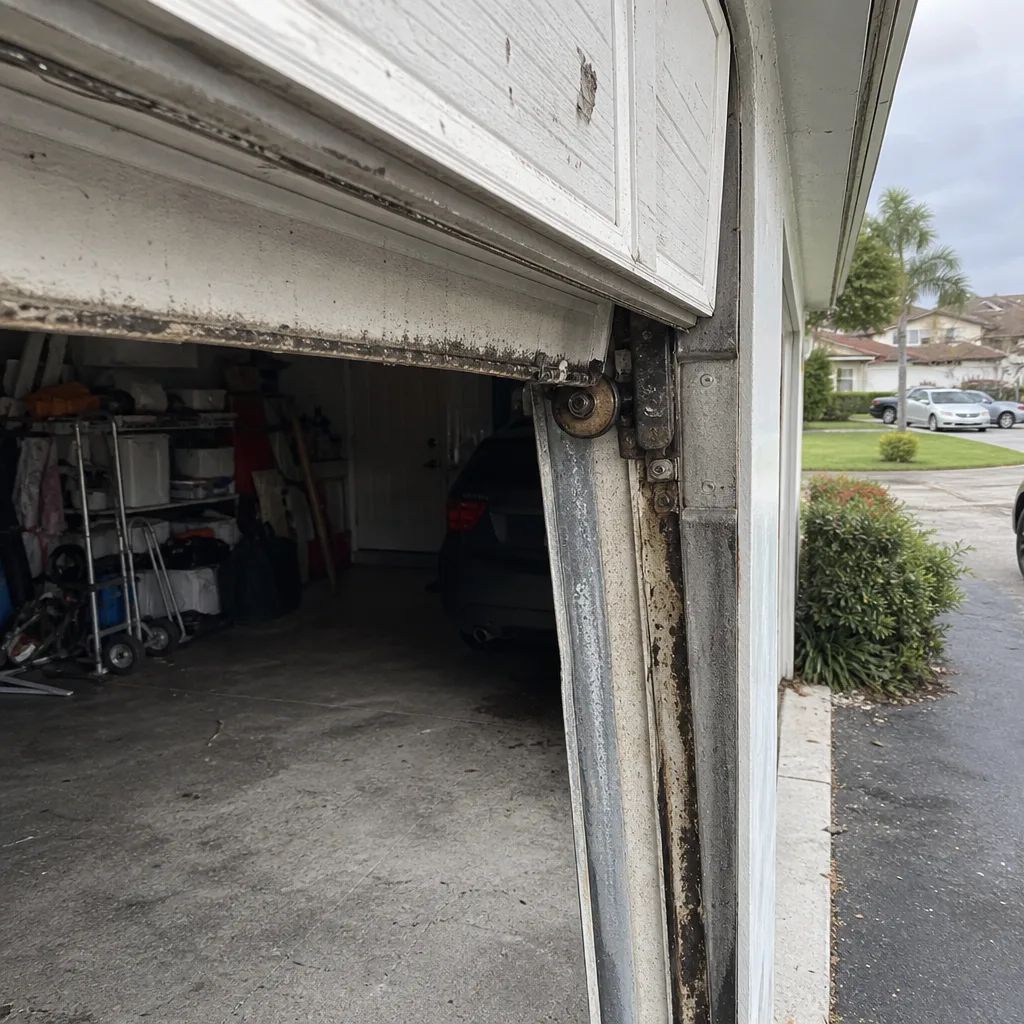 Before
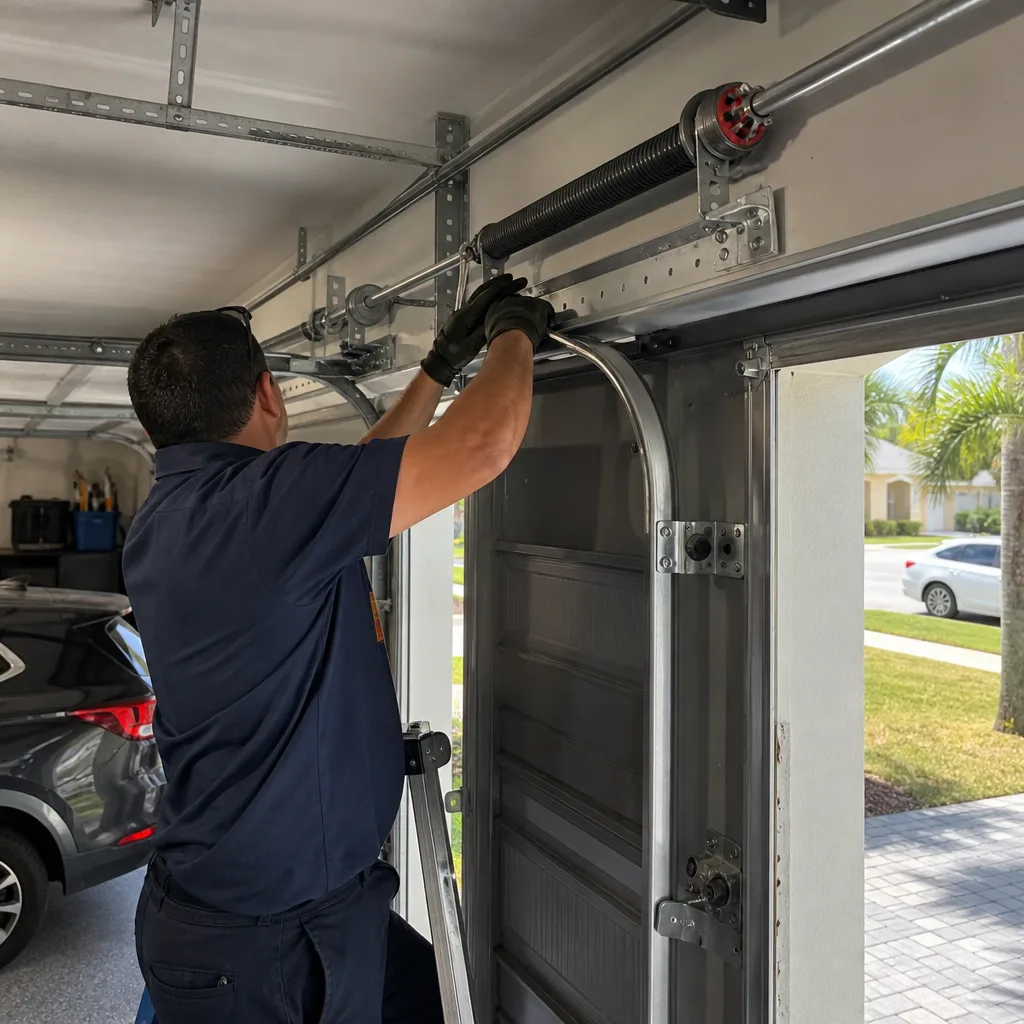 After
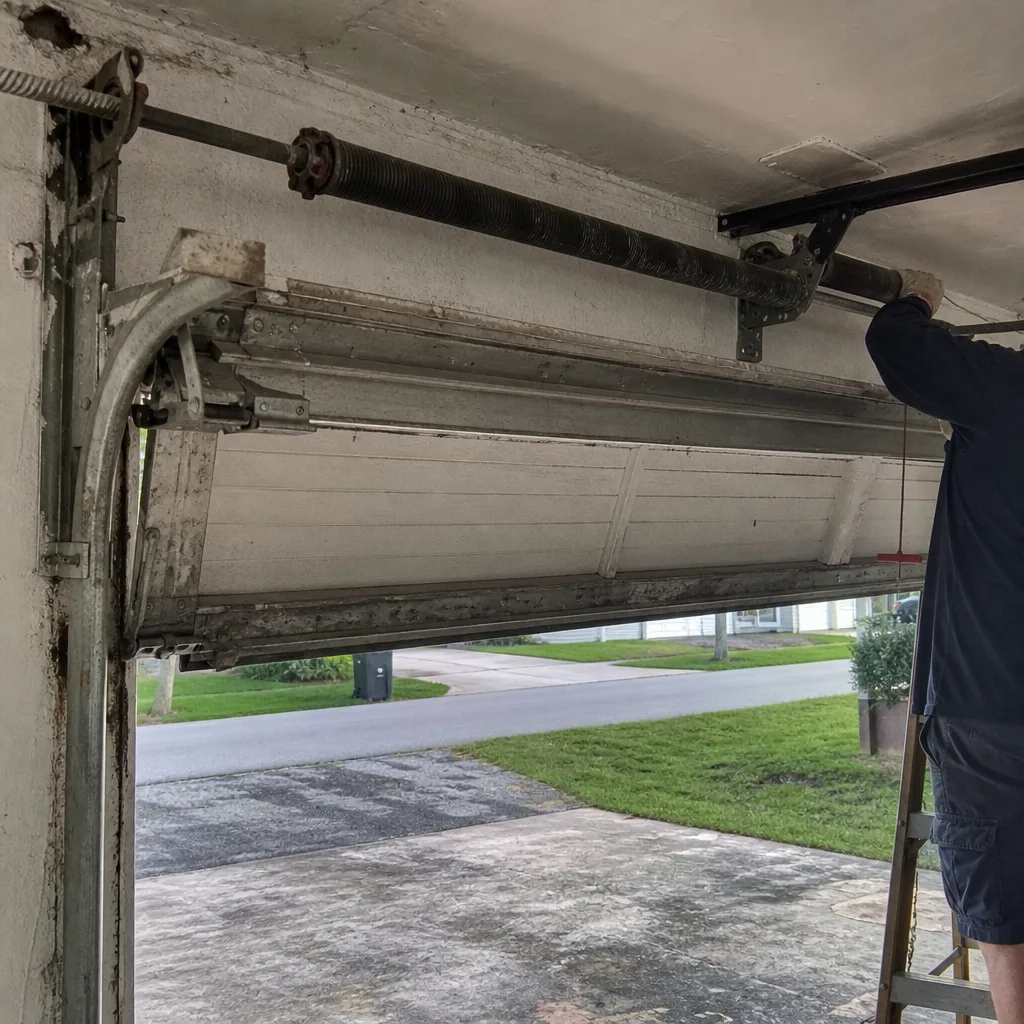 Before
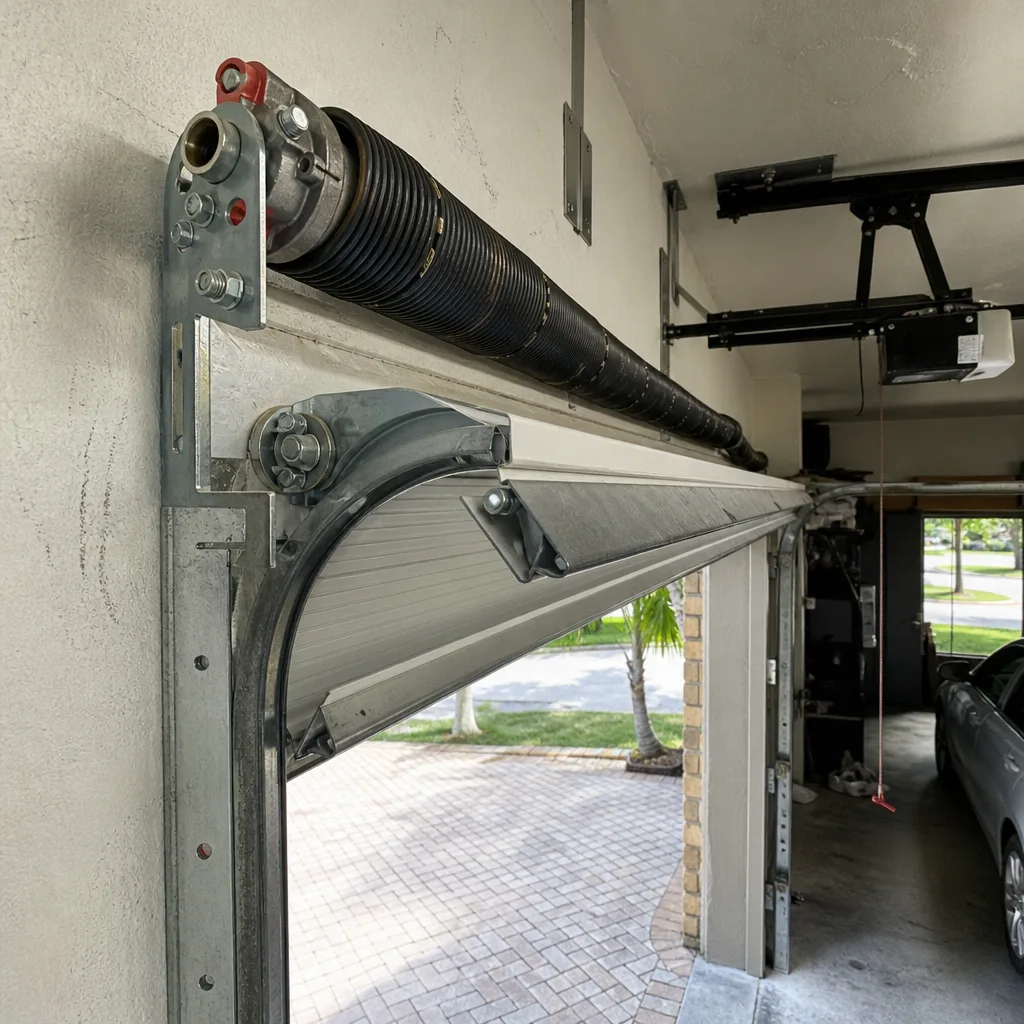 After
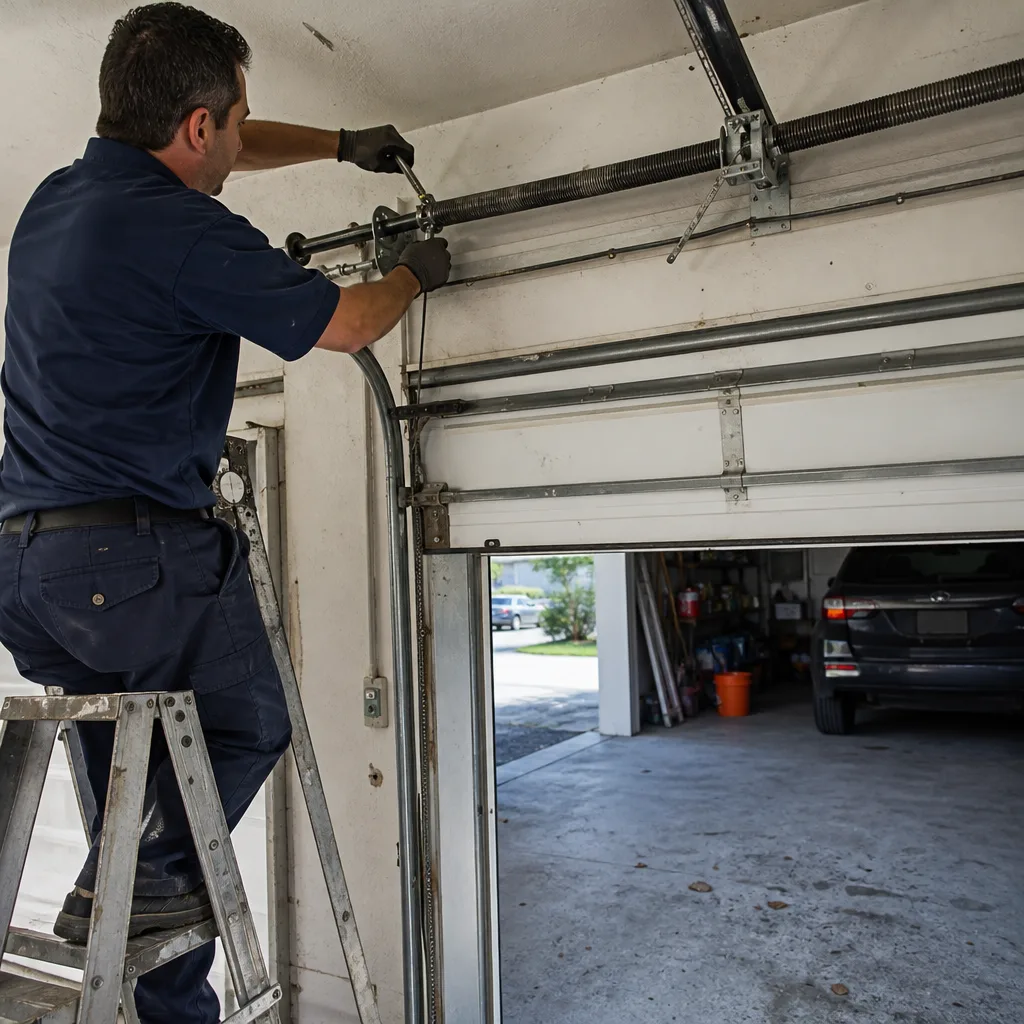 Before
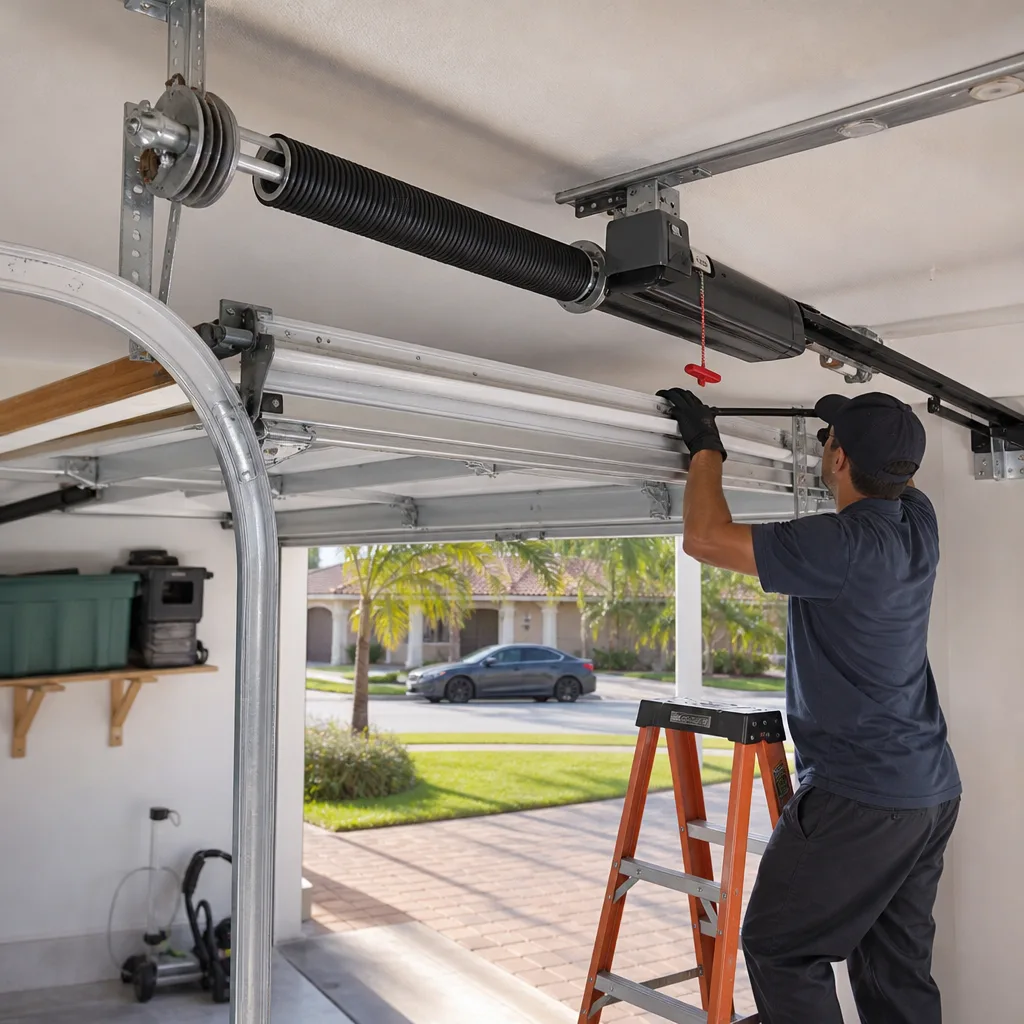 After