Last updated October 30, 2026
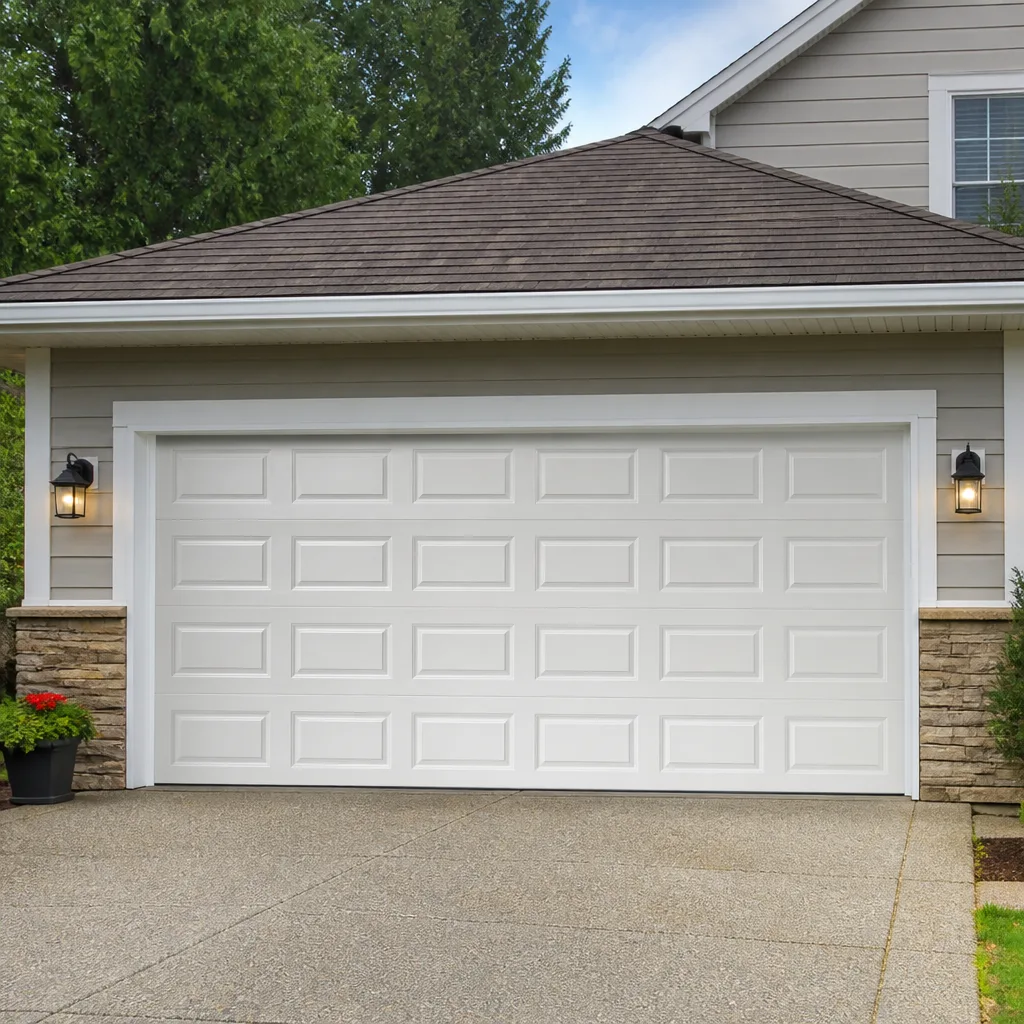 Raised-panel steel
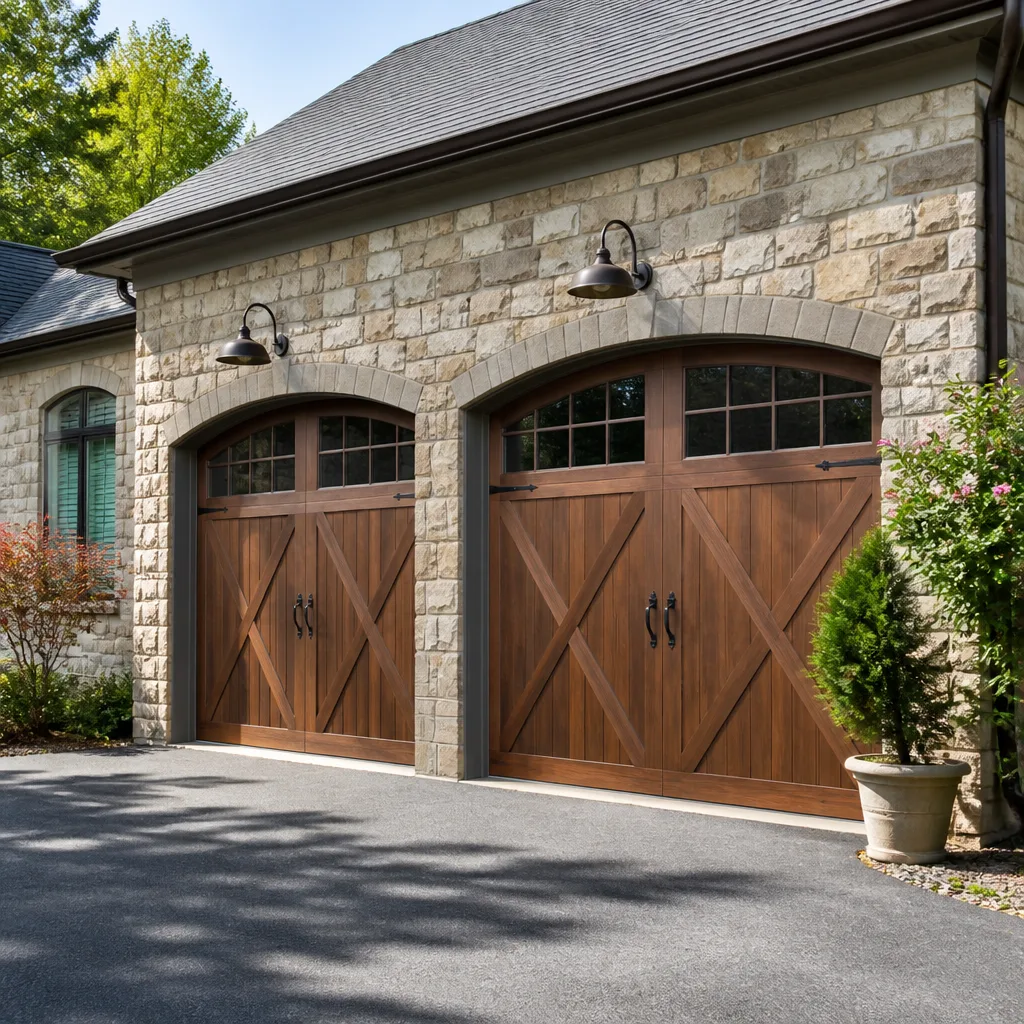 Carriage house
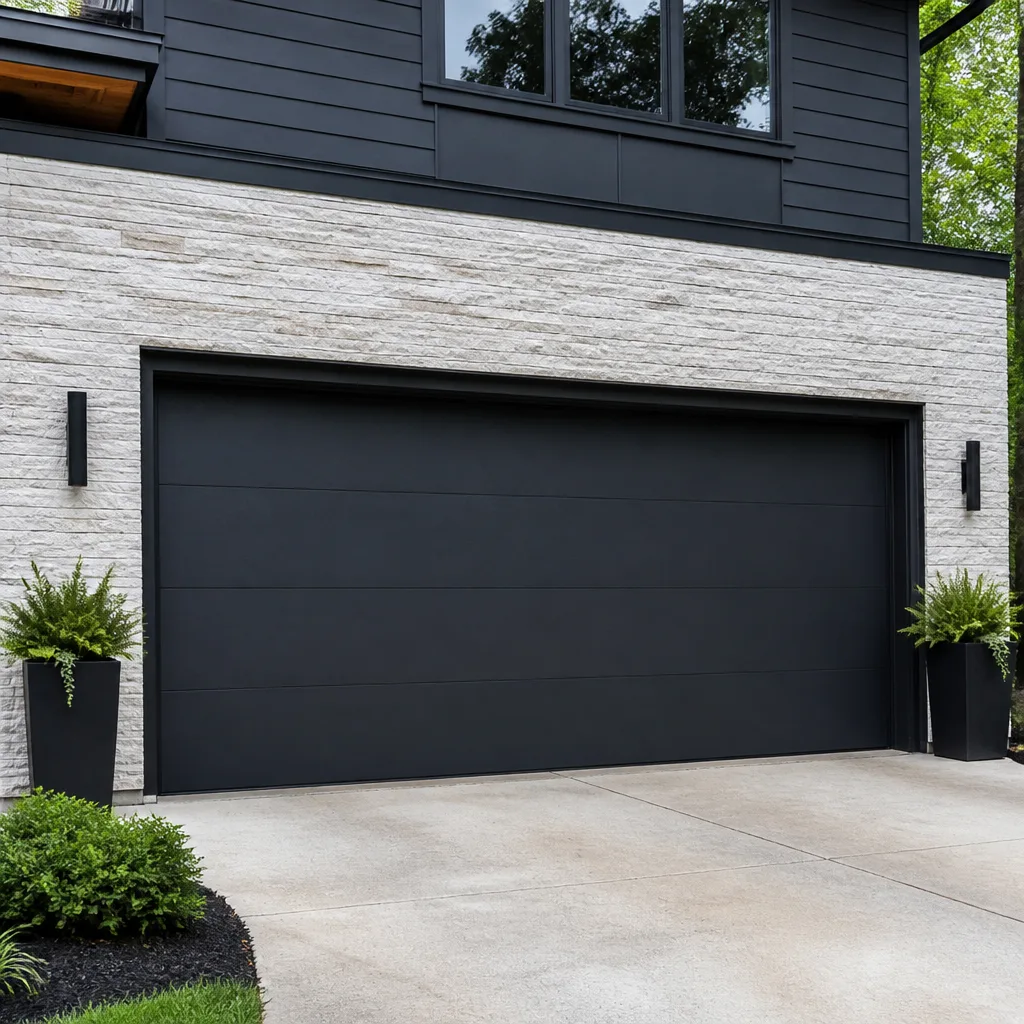 Modern flush
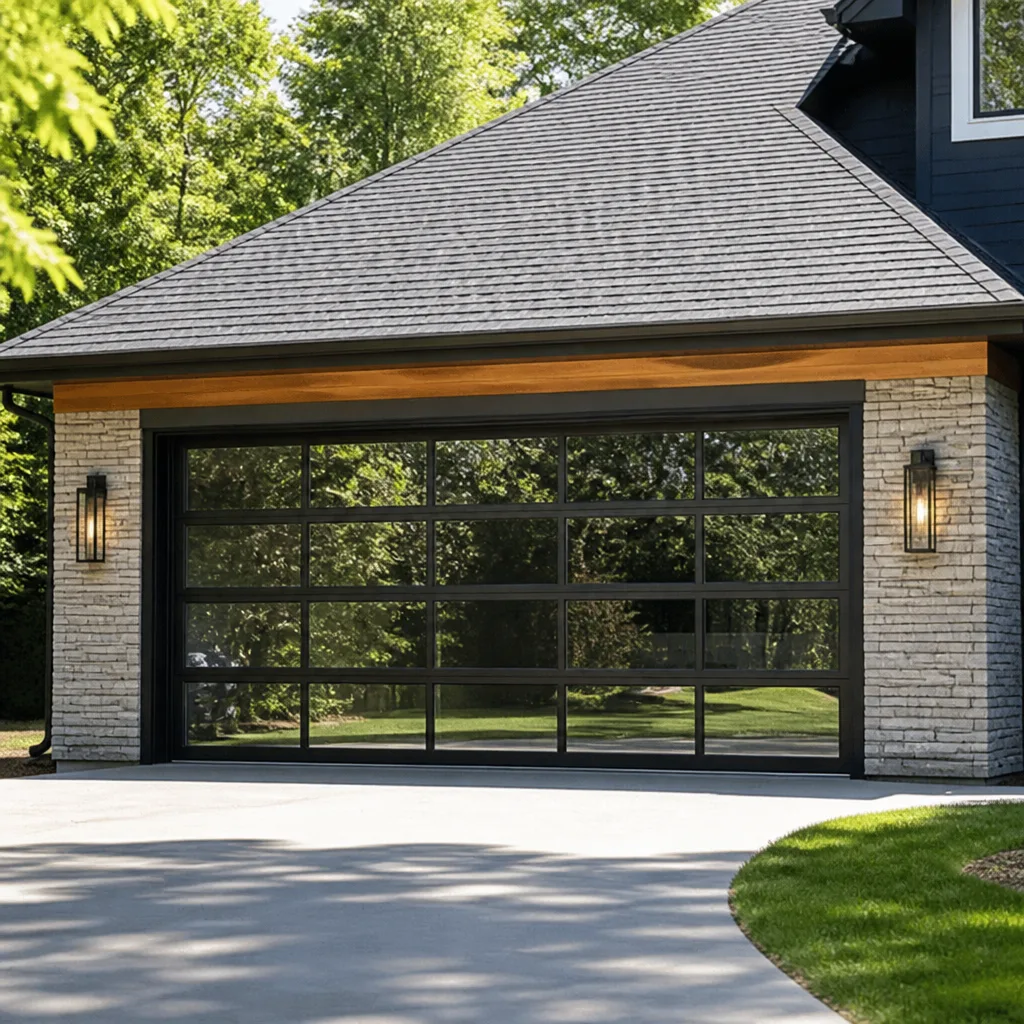 Full-view glass
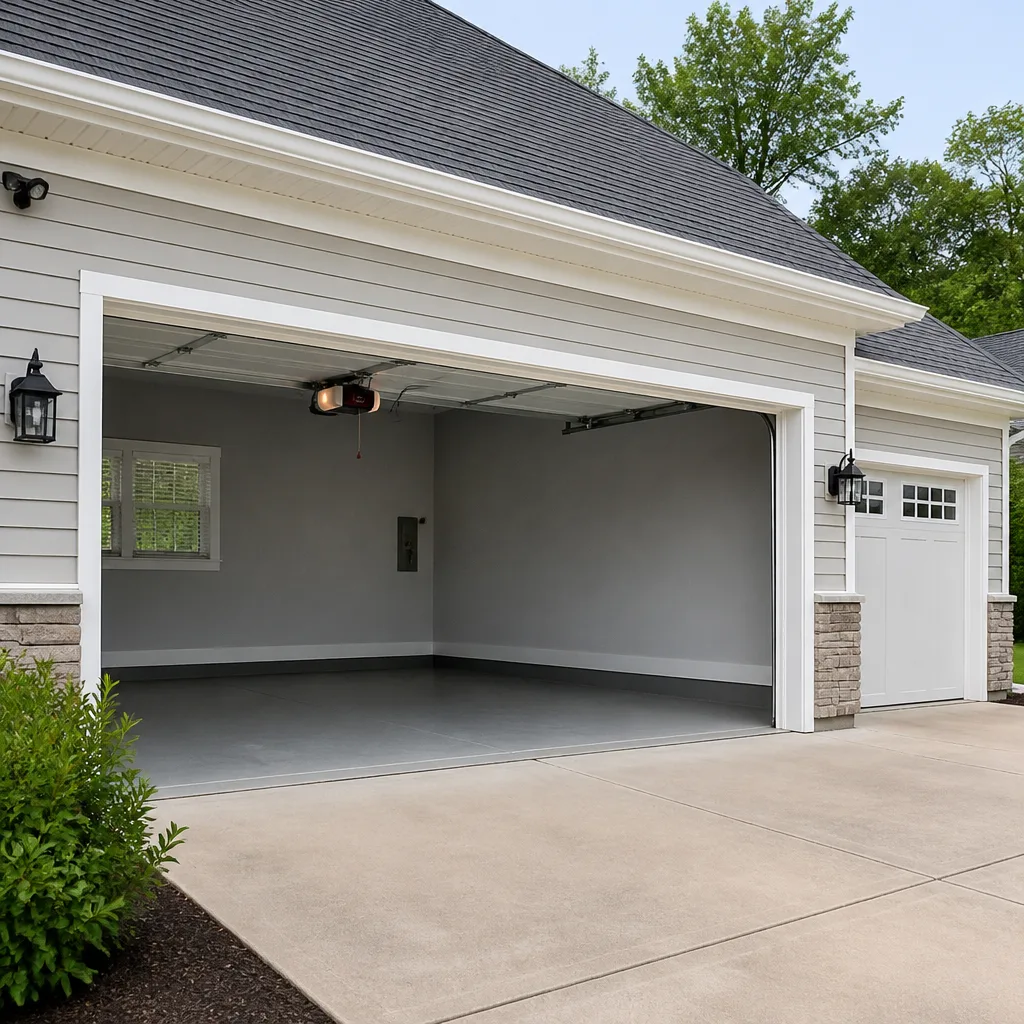 LiftMaster openers
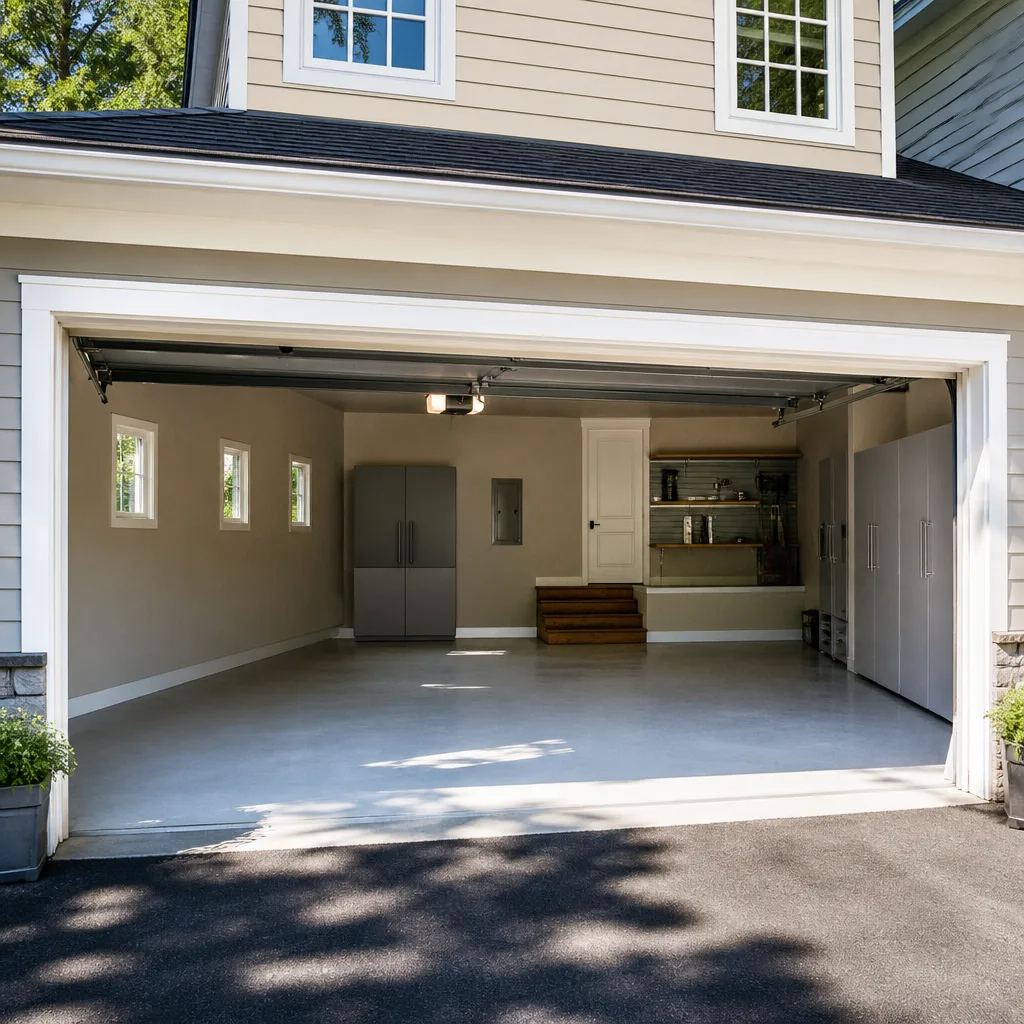 Chamberlain openers
Full 25-point door and opener safety check with every visit - springs, cables, rollers, tracks, and your LiftMaster or Chamberlain opener included
You get a price before we start. It does not change when the truck arrives.
Get your free estimateGarage Door Emergency Preparedness Guide for Hollywood Homes
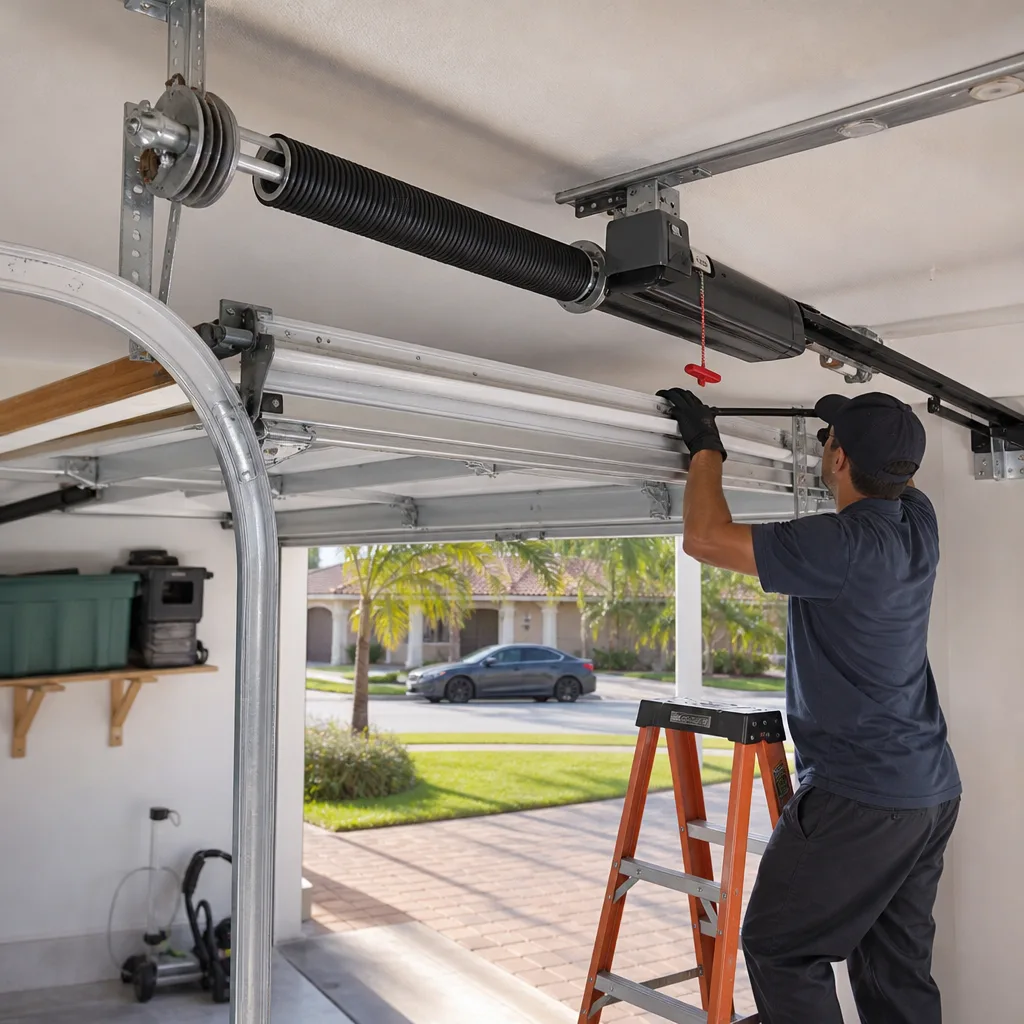
The manual release cord on your garage door is the most important safety feature in your home during a hurricane, and most Hollywood homeowners have never pulled it, don’t know where it is, and couldn’t find it in the dark. That red cord dangling from the opener rail is the difference between getting your car out before a storm and being trapped in your own driveway. This guide covers the actual emergencies Broward County residents face: doors stuck open before a named storm, openers that won’t disengage after a power outage, and post-storm damage assessment. We’ve built this around Hollywood specifically, the wind codes, the humidity, the salt air, and the neighborhoods.
Styles & brands we work with
Quick Answer
A garage door emergency in Hollywood means one of three things: a door stuck open with a storm approaching, a door that won’t open or close after a power outage, or post-storm damage that compromises the door’s structural integrity. The first step in almost every emergency is pulling the manual release cord, a red handle hanging from the opener rail, to disconnect the door from the opener and operate it by hand. If the door won’t move manually, is visibly off-track, or has a snapped spring, you need a professional before attempting anything further.
Table of Contents
- How to Use the Manual Release on Your Garage Door
- Door Stuck Open With a Storm Approaching: What to Do
- The 20-Minute Pre-Hurricane Door Checklist
- Power Outage Protocol for Garage Door Openers
- Post-Storm Damage Assessment: What’s Repairable, What’s a Claim
- Battery Backup Openers: Compatibility and Broward County Costs
- Common Mistakes to Avoid
- When to Call a Professional
- Frequently Asked Questions
- The Bottom Line
How to Use the Manual Release on Your Garage Door
Every garage door opener installed in a Hollywood home since the early 1990s has a manual release mechanism. It’s a cord, usually with a red plastic handle, hanging from a trolley on the opener rail. Pulling it disconnects the door from the opener carriage, allowing you to lift or lower the door by hand. You should know how to use it before an emergency, not figure it out during one.
The exact procedure varies slightly by opener brand, so here’s the step-by-step for the five most common models we see in Hollywood garages:
LiftMaster and Chamberlain (Chain and Belt Drive)
- Confirm the door is fully closed if possible. If it’s stuck open, skip to step 2 but be prepared for the door to be heavy.
- Locate the red release cord hanging from the trolley on the rail above your car.
- Pull the cord straight down and toward the garage interior, away from the door. You’ll hear a click as the trolley disengages.
- Lift the door by hand using the handles or the bottom edge. A properly balanced door should lift smoothly with moderate effort and stay open roughly three to four feet off the ground.
- To re-engage, pull the cord again toward the door while pressing the opener button. The trolley will reconnect on the next cycle.
Genie (Screw and Belt Drive)
- The Genie release cord hangs from the carriage, same red handle design as LiftMaster.
- Pull the cord down firmly. On Genie screw-drive models, you may need to pull slightly harder; the carriage mechanism engages more tightly.
- Operate the door manually. Genie doors with proper spring balance should feel similar to LiftMaster units.
- To reconnect, run the opener while pulling the release cord toward the door. The carriage will lock back onto the drive screw or belt.
Craftsman (Chain Drive, Older Models)
- Craftsman openers built before 2010 use a red release handle on a rope, same as current LiftMaster designs since Craftsman openers from that era were manufactured by the same parent company.
- Pull straight down and slightly toward the garage interior. The trolley releases with an audible click.
- Operate the door manually. Watch for any binding; older Craftsman doors in Hollywood homes often have worn rollers that catch in the track.
- Reconnect by running the opener and pulling the cord toward the door.
What If the Door Is Stuck Mid-Travel?
If your door stops halfway and pulling the release cord doesn’t free it, the problem is rarely the opener. A door stuck mid-travel usually indicates a broken spring, a cable that’s slipped off the drum, or a bent track. When a torsion spring snaps, the door loses its counterbalance and can come down hard. Here’s what to do:
- Do not force the door down. A door with a broken spring can weigh 150 to 300 pounds. Forcing it risks injury and further track damage.
- Check the springs. Look above the door, centered on the header. A torsion spring with a visible gap where the coil split means the spring is broken. Extension springs on the sides will be visibly separated if broken.
- If the spring is intact, inspect the cables on both sides. A cable that’s off the drum will look loose or tangled.
- Call for emergency service if the door won’t move manually or the spring is broken. Hollywood homes built before 2002, when the Florida Building Code began requiring wind-load-rated doors in Broward County, are especially prone to spring failures during season changes.
We’ve worked on doors in Emerald Hills and Hollywood Lakes where the owner had never touched the release cord until the morning of a hurricane watch. Knowing this procedure takes five minutes to learn and costs nothing. Not knowing it can mean an hour of panic when the warnings start.
Door Stuck Open With a Storm Approaching: What to Do
A garage door stuck open is the single most dangerous position your door can be in during a hurricane. Wind entering the garage creates positive pressure that can lift the roof off your house. This is why the Florida Building Code—detailed in our guide to Garage Door Permits, Codes & Inspections in FL: What You Need to Know—treats garage doors as structural components in Broward County, not as accessories. A door rated for 150 mph wind does nothing if it’s stuck open.
Here’s the priority sequence when you have a door stuck open and a storm watch or warning has been issued:
- Try the manual release first. Pull the red cord and attempt to lower the door by hand. If the door moves freely, lower it fully and engage the slide lock if your door has one. Most Hollywood homes have slide locks on the interior track; slide it into the track hole to physically block the door from lifting.
- If the door is stuck due to a broken spring, you won’t be able to lower it safely by hand. Do not attempt to force it. A 16-foot-wide door in a Hollywood two-car garage can weigh over 250 pounds without spring assistance.
- Temporary securing options: If the door won’t close and you can’t get a technician before the storm, secure the opening as best you can. Heavy-duty ratchet straps crossed over the interior of the door and anchored to the track brackets can reduce how much the door panel flexes. This is a stopgap, not a fix, but it can reduce wind intrusion on a single-car door.
- Move vehicles out of the garage if possible and park them against the closed garage door from the inside, with the parking brake set. The vehicle mass adds resistance against wind pressure.
- Call for emergency service. At Garage Door Repair in Hollywood, we respond to storm-related emergencies with priority. A door stuck open before a named storm is exactly the kind of call that moves to the front of the line.
Hollywood’s position along the Atlantic coast, particularly neighborhoods east of US-1 like Hollywood Beach and the Lakes sections, means wind exposure is a real factor even in Category 1 storms. A stuck-open door in those areas isn’t a minor inconvenience; it’s a breach point for the entire structure.
The 20-Minute Pre-Hurricane Door Checklist
When a storm enters the cone for South Florida, you have roughly 48 to 72 hours of warning. Most Hollywood homeowners use that time for shutters, water, and gas. The garage door is usually an afterthought, but this 20-minute inspection determines whether your door is a structural asset or a liability when the wind arrives.
Run through this Garage Door Repair Maintenance Checklist for Hollywood Homeowners in order. If any item fails, note it and decide whether you’re calling for service now or after the storm:
- Balance test (3 minutes): Pull the manual release and lift the door to waist height. Let go. A properly balanced door stays put, roughly motionless. If it drops, your springs are worn or broken. If it rises, the springs are over-tensioned. Neither condition is safe for storm conditions.
- Roller inspection (2 minutes): With the door closed, look at each roller where it meets the track. Nylon rollers with visible wear or cracking, or steel rollers with rust or flat spots, will bind when the door flexes under wind load. Hollywood’s salt air accelerates roller corrosion within a few miles of the beach.
- Track alignment check (2 minutes): Stand inside the garage and sight down each vertical track. Both tracks should run parallel to the door edge. Any inward bow or visible gap between the track and the wall indicates loose mounting brackets.
- Hinge and bracket torque check (4 minutes): Use a socket wrench to check the lag bolts on each hinge where it mounts to the door section, plus the track brackets where they mount to the wall. Loose lag bolts are the most common pre-storm failure point we find in Hollywood homes. The constant daily open-close cycles plus humidity expansion work them loose over years.
- Weather seal inspection (2 minutes): Run your hand along the bottom seal and the side weatherstripping. Torn bottom seals allow wind-driven rain into the garage, which damages stored items and can wick up into the door sections, causing delamination over time.
- Opener force setting test (3 minutes): With the door connected to the opener, close it and watch how it settles. If it slams the last inch or bounces back up, the force settings or travel limits are off. During high wind, an opener fighting the door adds stress to every component.
- Slide lock check (1 minute): If your door has a manual slide lock on the interior track, confirm you can find it and engage it in the dark. You should be able to do this by feel, because that’s how you’ll do it when the power goes out.
- Photo eye alignment (2 minutes): The safety sensors at the bottom of the track should have solid, non-blinking indicator lights on both sides. A blinking sensor means misalignment, which will prevent the door from closing automatically, at the worst possible time.
This checklist catches the majority of problems that turn a routine storm into a garage door emergency in Hollywood. If everything passes, your door is as ready as it can be. If anything fails, you have time now, before the storm, to get it addressed. Waiting until after means living with the damage for potentially weeks while the rest of the city gets repairs simultaneously.
Power Outage Protocol for Garage Door Openers
Power outages during hurricane season are a near-certainty in Hollywood. FPL has improved infrastructure hardening since Hurricane Wilma in 2005, but overhead lines along Federal Highway and Dixie Highway still come down in every major storm. Your garage door opener is useless without power, unless you have a battery backup or you know how to operate the door manually.
The sequence that matters:
- Confirm the power is actually out. Check the opener’s wall button LED. If it’s unlit and the opener doesn’t respond, you’ve lost power to the opener circuit. Check your breaker panel before assuming a grid outage; sometimes the GFCI circuit the opener shares with garage outlets trips independently.
- Pull the manual release. Use the procedure from the first section of this guide. The door will operate by hand as long as the springs are balanced and the track is intact.
- Operate the door manually during the outage. Open and close it only when necessary. Each manual cycle on a door with worn rollers or aging springs compounds the stress.
- When power returns, re-engage the opener. Run the opener while pulling the release cord toward the door. Let the opener complete a full open-close cycle and confirm the auto-reverse function still works by placing a 2×4 flat on the floor under the door’s path. The door should reverse within two seconds of contacting the board.
Battery backup openers change this protocol completely. A battery backup unit runs the opener on stored DC power for a limited number of cycles, usually 20 to 50 open-close operations depending on the model and battery condition. In Hollywood, where outages after hurricanes can last for days, a battery backup means you keep automatic operation for the critical period when you’re moving supplies, checking on neighbors, or evacuating.
Which Openers Are Compatible With Battery Backup
LiftMaster and Chamberlain currently offer battery backup on several models across their residential lines. Genie introduced battery backup on some belt-drive units. If you have an older Craftsman or Raynor opener from before 2010, you generally cannot retroactively add battery backup; the control board doesn’t support the battery interface. Replacement is the upgrade path, which also gives you current safety features like coded remotes and soft start/stop.
For Hollywood homeowners with a Garage Door Opener Repair in Hollywood need, we can tell you within a few minutes whether your existing opener is battery-backup-compatible or whether replacement is the sensible route. The opener has a diagnosis, not just a symptom, and the answer is usually straightforward once we see the model number.
Post-Storm Damage Assessment: What’s Repairable, What’s a Claim
Once the storm passes and the wind dies down in Hollywood, you’ll walk out to the garage and look at the door. What you see falls into three categories, and knowing the difference determines whether you’re filing an insurance claim or calling for a repair estimate.
Category 1: Cosmetic Damage
Dents from flying debris, paint scuffs, minor panel flexing that didn’t crack the steel or aluminum. This is not a structural problem. A dented door panel still protects your home from wind intrusion and still operates normally. Cosmetic damage is a repair decision you make on your own timeline, not an emergency. Most Hollywood homeowners live with small dents or replace individual panels when they decide the appearance matters enough to justify the cost.
Category 2: Structural Compromise
This is the one that matters. Structural compromise means the door no longer functions as a wind-rated barrier. The indicators are specific:
- Visible separation between door sections. Look at the seams where each panel meets the next. If you can see daylight through a seam, the door has twisted beyond its design tolerance.
- Track pulled away from the wall. If the vertical track has separated from its mounting brackets by more than a quarter inch, or the brackets themselves are bent, the door is no longer riding in a structurally sound path.
- Springs that snapped during the storm. One broken spring significantly weakens the door’s counterbalance. Two broken springs means the door is sitting entirely on the opener, which is not designed to hold the weight and will fail.
- Bottom section crumpled inward. This is the classic wind-load failure. The bottom panel takes the highest wind pressure and bends inward, compressing the weather seal and pulling the vertical tracks inward.
Category 3: Seal Failure
Seal failure is the least visible and the most likely to cause long-term problems in Hollywood’s humid climate. If the bottom seal tore during the storm, or the side weatherstripping peeled away, you now have an opening that lets humid air, rain, and insects into the garage. In a Hollywood summer, a garage with a failed seal becomes a mold incubator within weeks, and anything stored on the floor, from cardboard boxes to tool chests, absorbs that moisture.
Insurance vs. Repair Bill
The general rule in Broward County: if the wind caused the damage, it’s an insurance claim. If the damage revealed pre-existing wear or poor maintenance, it’s a repair bill. A door that was already sagging, already had brittle rollers, already had loose brackets, those conditions were a maintenance issue before the storm, and most adjusters will classify resulting damage accordingly. Florida’s hurricane deductible typically ranges from 2% to 5% of your dwelling coverage, which on a Hollywood home insured for $400,000 means a $8,000 to $20,000 deductible. Most garage door repairs fall below that threshold, meaning a claim doesn’t help you. We tell homeowners to get a repair estimate first, then decide whether the insurance claim makes sense.
For a full replacement after structural damage, see Garage Door Installation in Hollywood. We handle wind-load-rated doors that meet current Miami-Dade and Broward County code requirements, and the process goes from assessment to new-door installation without switching companies.
Battery Backup Openers: Compatibility and Broward County Costs
Battery backup openers are the single most practical upgrade a Hollywood homeowner can make before hurricane season. The technology is mature, the price has come down from what it was a decade ago, and the benefit is immediate: when the grid goes down, your door still opens and closes automatically.
In Broward County, you’ll typically pay between $450 and $800 for a battery backup opener installed, depending on the drive type and the condition of your existing door. Belt-drive units with battery backup run at the higher end of that range. Chain-drive units are less expensive but noisier, which matters in attached garages where a bedroom sits above the door.
Installation takes about two to three hours for a straightforward replacement where the existing opener is being removed and the new unit goes in using the same mounting points. If your door has issues, a worn spring, a misaligned track, a damaged section, those need addressing first, because a new opener installed on a compromised door will fail prematurely.
The compatibility question comes down to brand and age. Here’s the practical breakdown for Hollywood homes:
- Current LiftMaster models: Battery backup is available on the 84501, 84505R, and 87504-267 lines, among others. These are the most common new-opener installs we perform in Hollywood.
- Current Chamberlain models: Several belt-drive units include battery backup. Chamberlain is the consumer-brand line from the same manufacturer as LiftMaster, with nearly identical internal hardware.
- Current Genie models: Battery backup appears on select belt-drive units. Not every Genie opener has it, so check the model number before buying.
- Older openers, any brand: If your opener predates roughly 2015, retrofitting a battery is generally not possible. The control board lacks the charging circuitry. Plan on replacement if battery backup is a priority.
For Hollywood specifically, homes east of I-95 lose power more frequently and for longer after storms due to the older distribution infrastructure in beachside neighborhoods. A battery backup opener in Hollywood Lakes or on the barrier island is a different value proposition than one in a western neighborhood with buried lines. We factor that into our recommendations rather than pushing the same setup on every home.
We service your brand, whichever opener sits on your ceiling. LiftMaster, Chamberlain, Genie, Craftsman, Raynor, Amarr, Wayne Dalton, Clopay, eight brands and one number to call. The Bright Star Garage Door Repair home page has the full scope of what we handle.
Common Mistakes to Avoid
- Yanking the manual release cord with the door open and a broken spring. If the spring has snapped, the door has no counterbalance. Pulling the release on an open door with a broken spring means that door is coming down at full speed with nothing to slow it. This is how people get hurt in Hollywood garages every year.
- Stacking sandbags against the inside of a closed garage door. It feels like the right call before a storm, but the weight against the bottom section pushes the door inward and can dislodge the vertical tracks. Sandbags belong outside, against the exterior face, not inside.
- Testing the auto-reverse with your hands instead of a solid object. The force setting on a properly adjusted opener will not stop for a hand; it stops for the resistance of a 2×4 or a rolled-up mat. Test with an object, not yourself.
- Leaving the slide lock engaged when running the opener. If you manually closed and locked the door during a power outage, and then power returns while the lock is still engaged, the opener will attempt to lift against a physically blocked door. You’ll strip the gear or burn out the motor in seconds.
- Ignoring a door that’s slightly off balance because it still opens. An off-balance door means uneven spring tension. It works until it doesn’t, and “doesn’t” usually happens at the worst possible moment, like the morning of an evacuation order.
- Assuming insurance covers a door that was already in poor condition. Adjusters look at wear, rust, and maintenance history. A Hollywood door with salt-corroded hardware that failed during a storm is often classified as a maintenance issue, not wind damage.
- Calling a general handyman for a spring replacement. Torsion springs hold hundreds of pounds of stored energy. A handyman who does doors occasionally doesn’t have the same torque-setting precision or the same familiarity with the specific spring weight for your door size. Beyond the quick fix, a specialist diagnoses why the spring broke, not just which spring to swap in.
When to Call a Professional
Some garage door situations are homeowner-manageable. A power outage with a balanced door and a working manual release? You can handle that. A bottom seal that tore? That’s a scheduled repair, not an emergency. But there are scenarios where professional intervention is the only safe, sensible option. A snapped torsion spring, a door off its track, a cable that’s come off the drum, any problem involving the high-tension hardware that holds the door’s weight. These are not DIY situations, and the injuries happen when people try. If your door is stuck open before a storm, stuck closed after one, or making sounds you’ve never heard before, call. Bright Star Garage Door Repair offers free estimates in Hollywood, call (833) 589-8106. Eight brands, one number to call. We’ll tell you what’s wrong, what it costs to fix, and whether it’s worth fixing at all, and you’ll know the number before any work starts.
Frequently Asked Questions
Emergency garage door repair in Hollywood typically ranges from $150 to $450 depending on the problem. A broken spring replacement runs roughly $180 to $340 including parts and labor. An off-track door repair runs $125 to $250. A snapped cable runs $150 to $200. These are Hollywood market ranges as of 2026, and every price is quoted and agreed before work starts. Call (833) 589-8106 for an exact quote, estimates are free.
Yes, for emergency repairs we respond same-day in Hollywood and surrounding Broward County areas. Storm-related calls, doors stuck open, and broken springs move to the front of the schedule. A door you can’t close is a security risk and a storm risk, so we treat it accordingly. Call (833) 589-8106 and we’ll give you a realistic arrival window.
No. The price we quote before starting work is the price you pay, unless we find something during the repair that changes the scope, and that requires a new agreement with you before we proceed. There’s no surprise invoice at the end. That’s true for every repair we do in Hollywood.
Most common parts live on our trucks: torsion springs in standard sizes, extension springs, cables, rollers, hinges, brackets, photo eyes, and circuit boards for LiftMaster, Chamberlain, Genie, and Craftsman openers. If your door or opener needs an unusual part, which is more common with older Raynor or Wayne Dalton doors, we order it and schedule the return visit, usually within a few days.
Get a repair estimate first, then compare it against your hurricane deductible. Most Hollywood homeowners have a hurricane deductible between 2% and 5% of their dwelling coverage, which usually exceeds the cost of a typical garage door repair. A full wind-load-rated door replacement after structural damage may cross that threshold and justify a claim. We can give you the numbers to make that decision.
Look for a label on the interior of the door, usually on one of the end stiles or near the top section. Florida Building Code has required wind-load-rated doors in Broward County since 2002. If your Hollywood home was built after that, your door should have a label showing the design pressure rating. If you can’t find it, a garage door professional can identify the door model and check its rating.
The Bottom Line
A garage door in Hollywood isn’t just an access point; it’s the largest opening in your home’s wind envelope. The manual release cord is a safety tool you should know how to use blindfolded. The pre-hurricane checklist takes 20 minutes and catches problems while there’s still time to fix them. A battery backup opener is the best pre-season upgrade you can make, and the cost is modest against what a stuck-open door can do to your home. When the door fails, whether it’s a snapped spring, a seized opener, or post-storm structural damage, there’s a clear threshold between what’s manageable and what needs a specialist. Respect that line, and your garage door will do its job when the next storm comes toward the Hollywood coastline. For more guides & resources on keeping your door storm-ready, explore our blog.
Written by the team at Bright Star Garage Door Repair, serving Hollywood since 2012.
See the difference
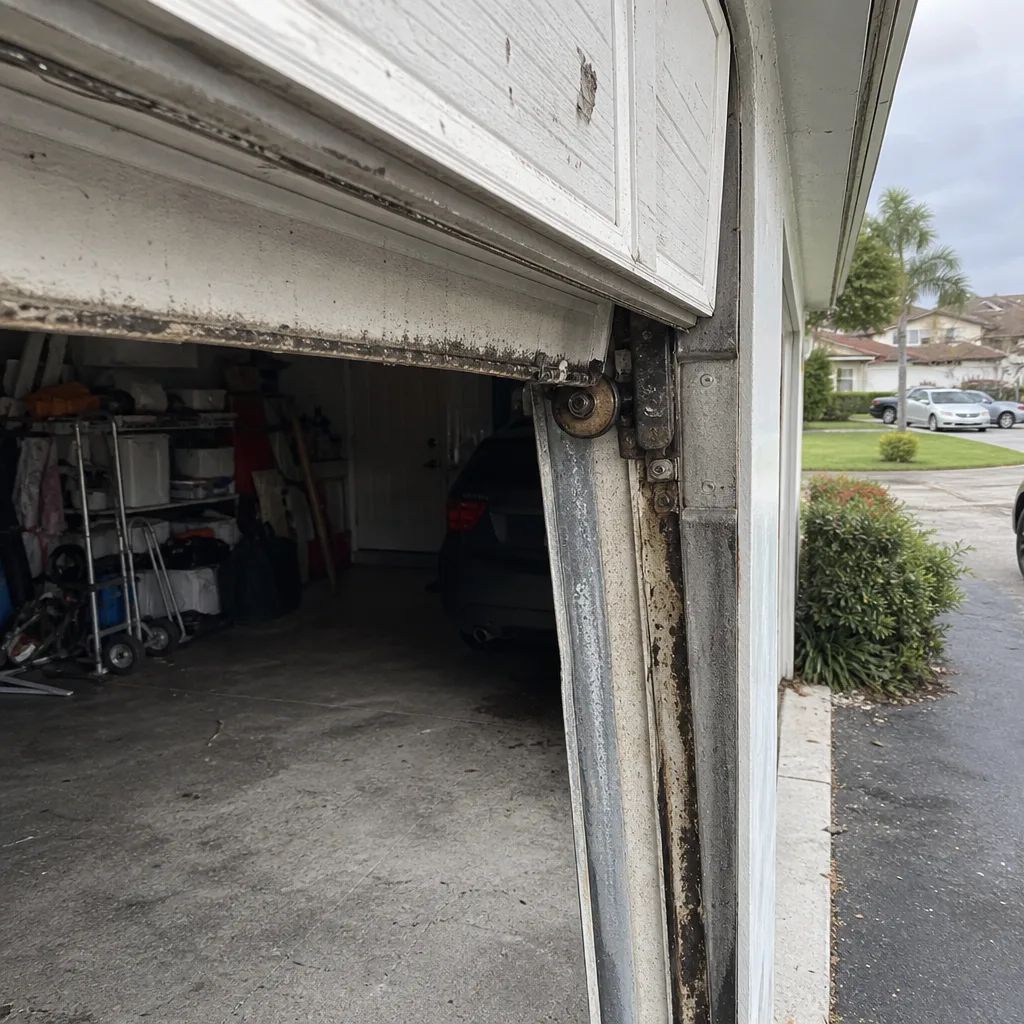 Before
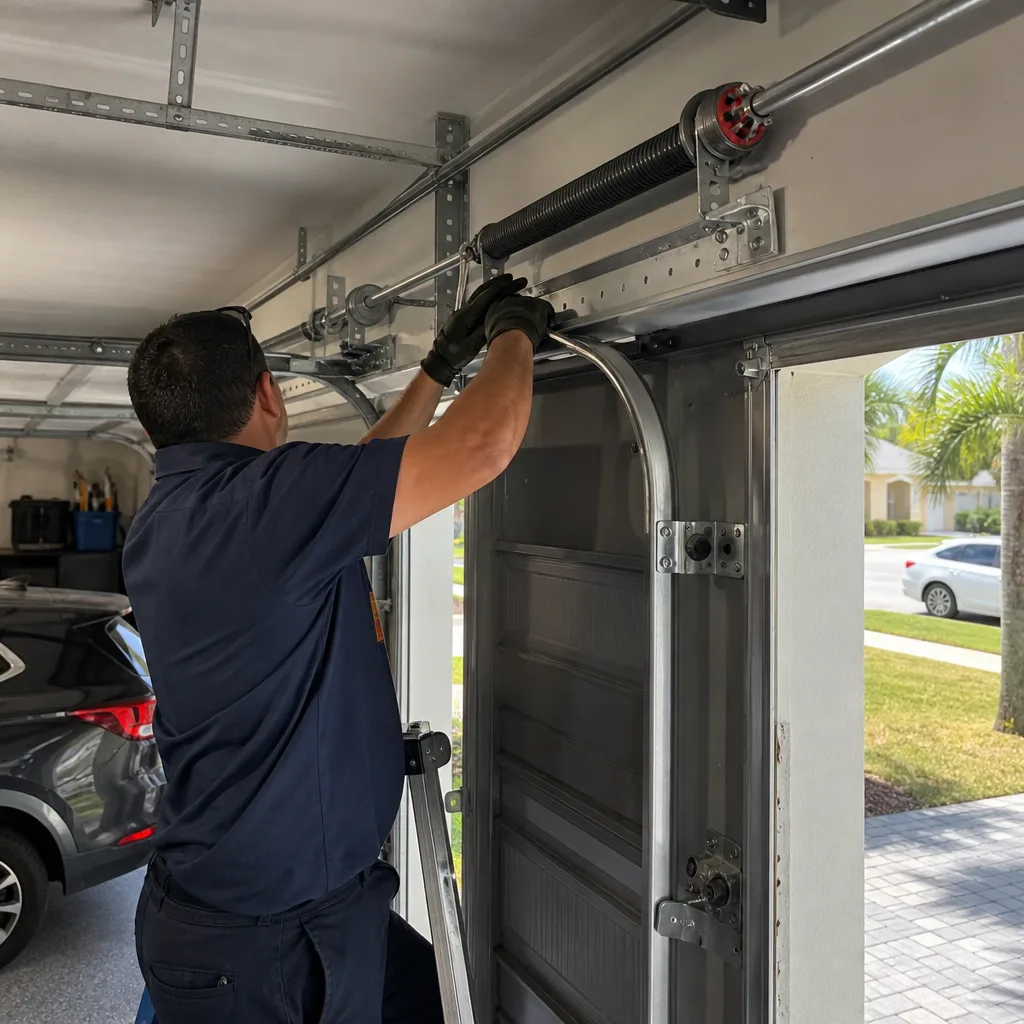 After
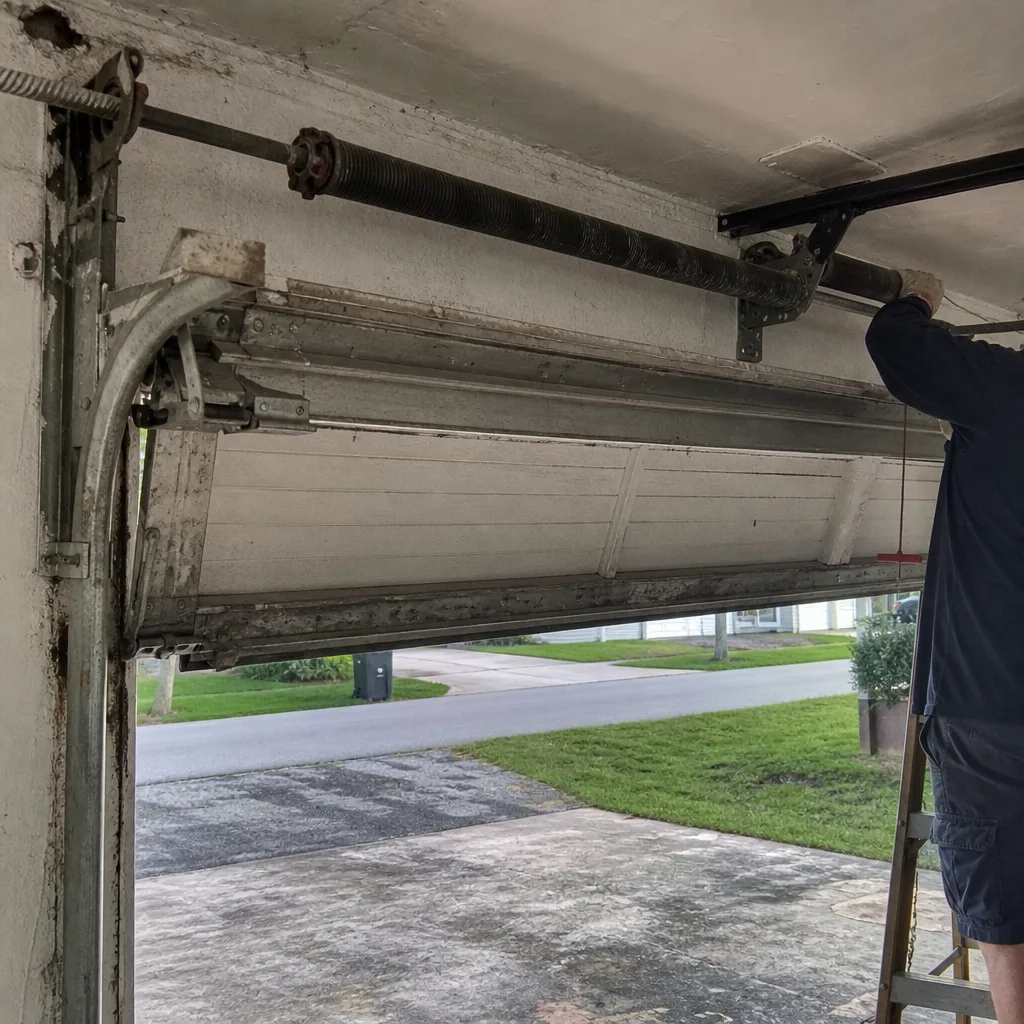 Before
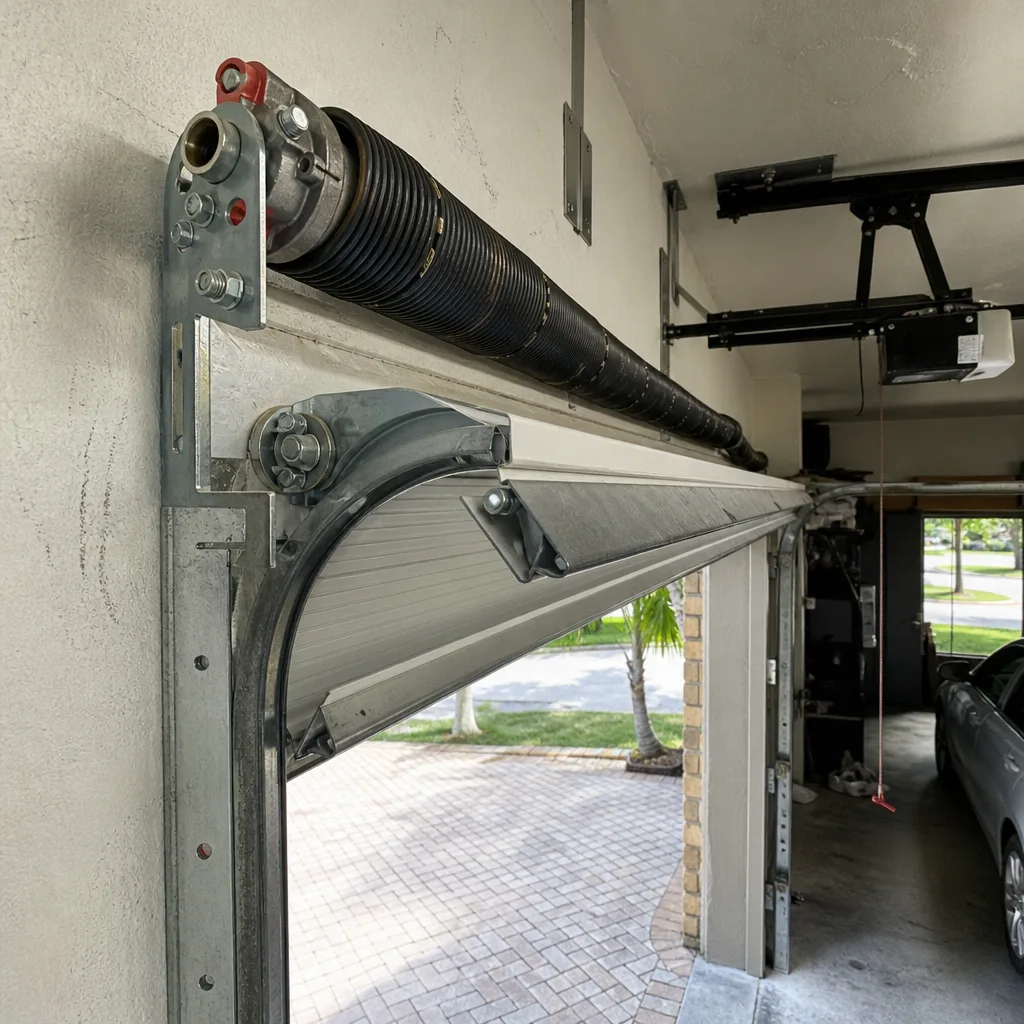 After
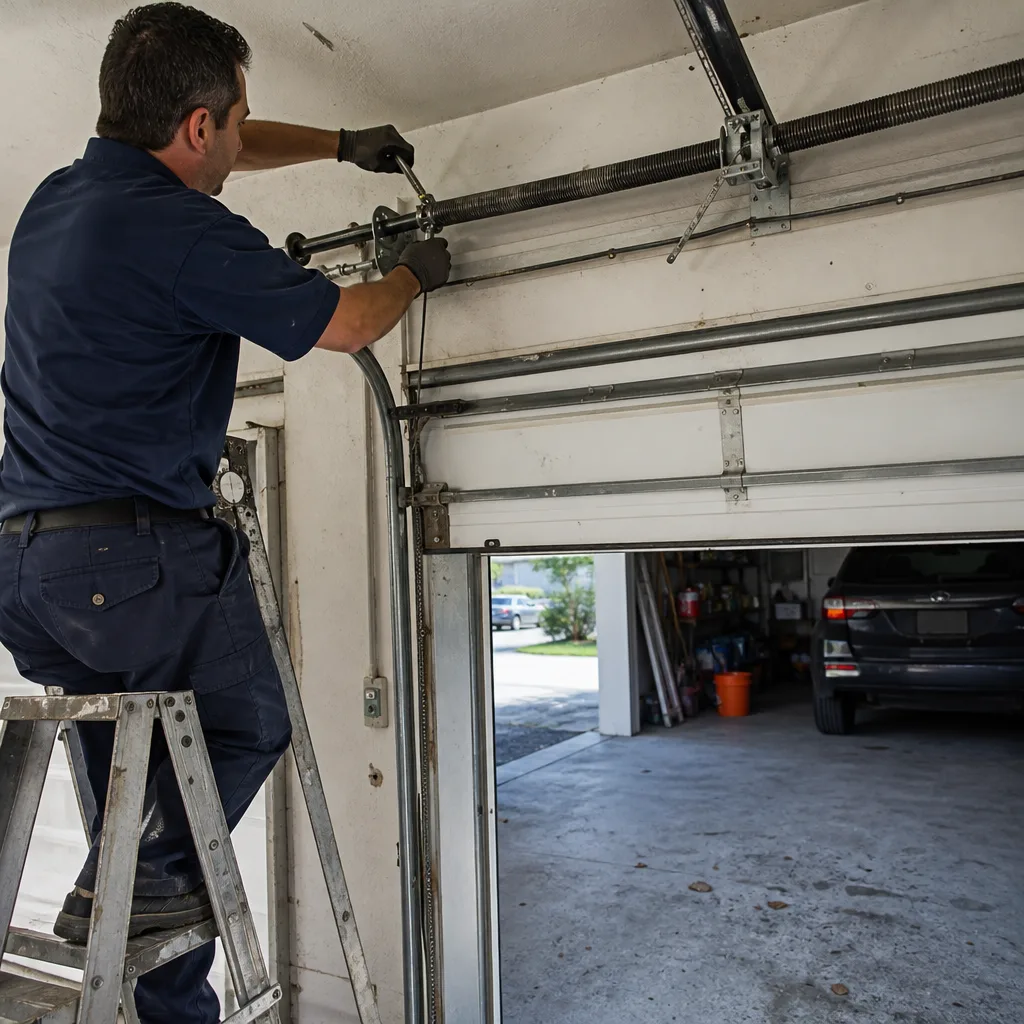 Before
 After