
Last updated October 30, 2026
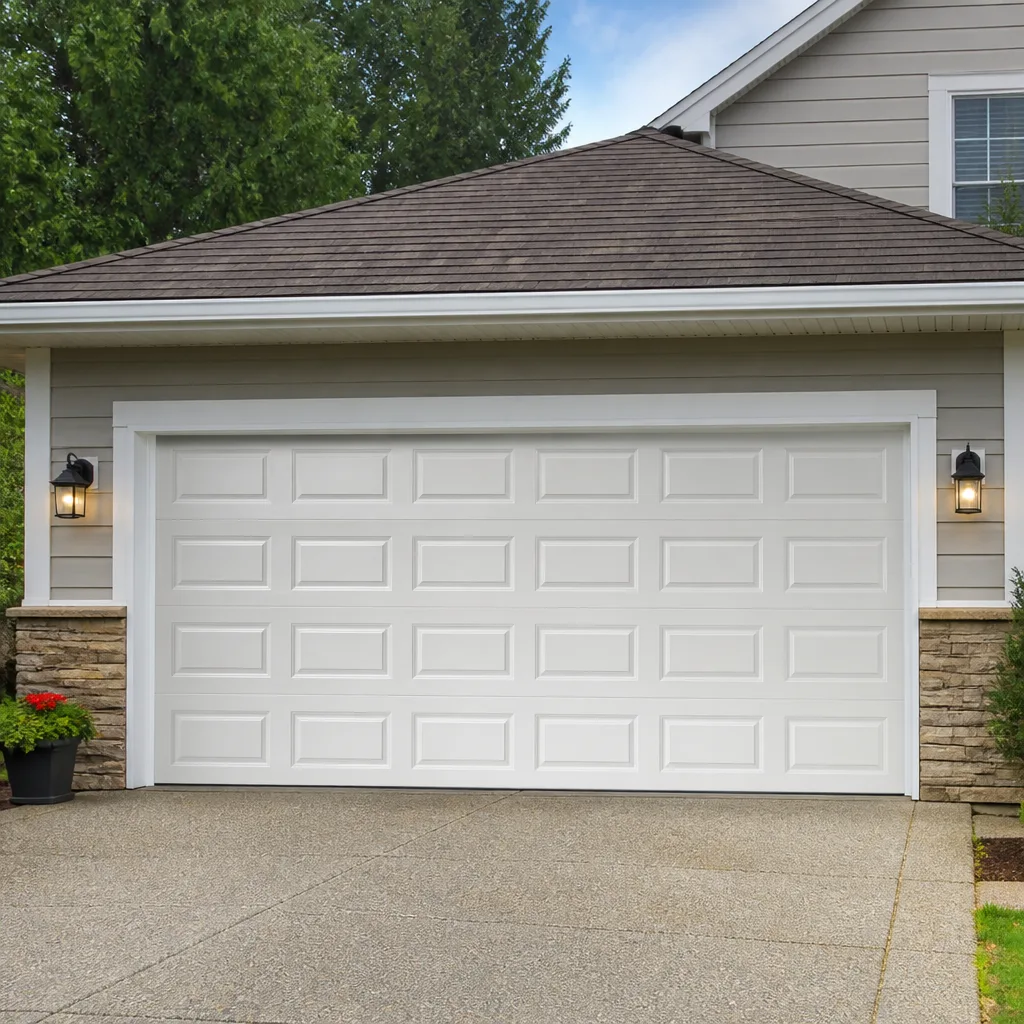 Raised-panel steel
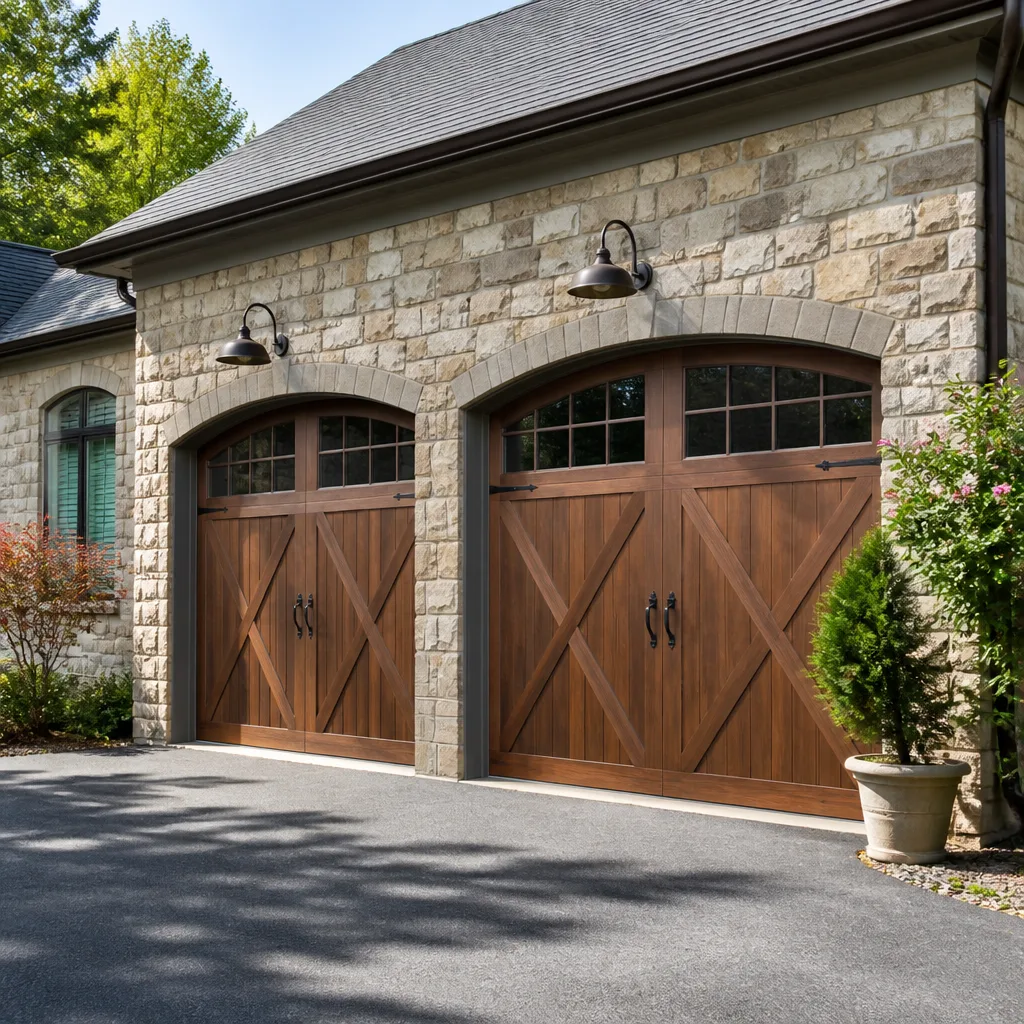 Carriage house
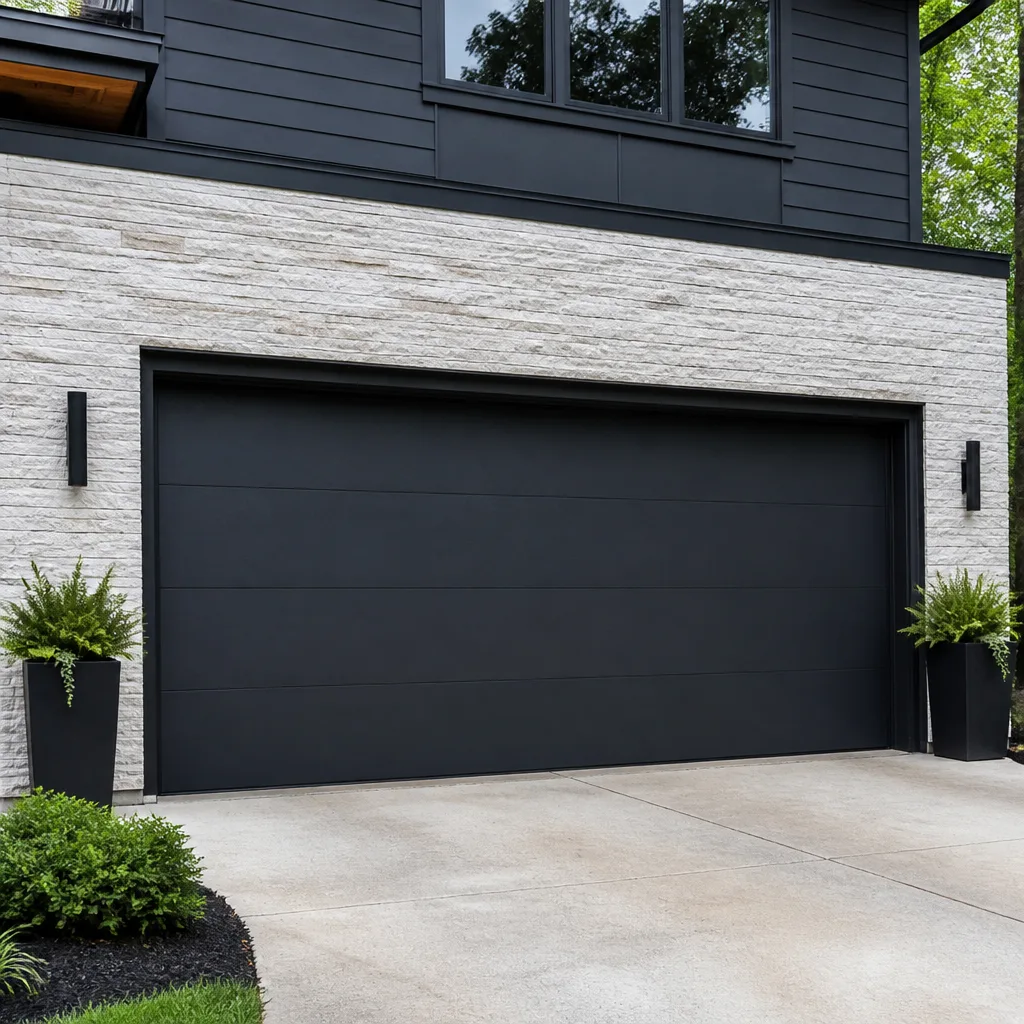 Modern flush
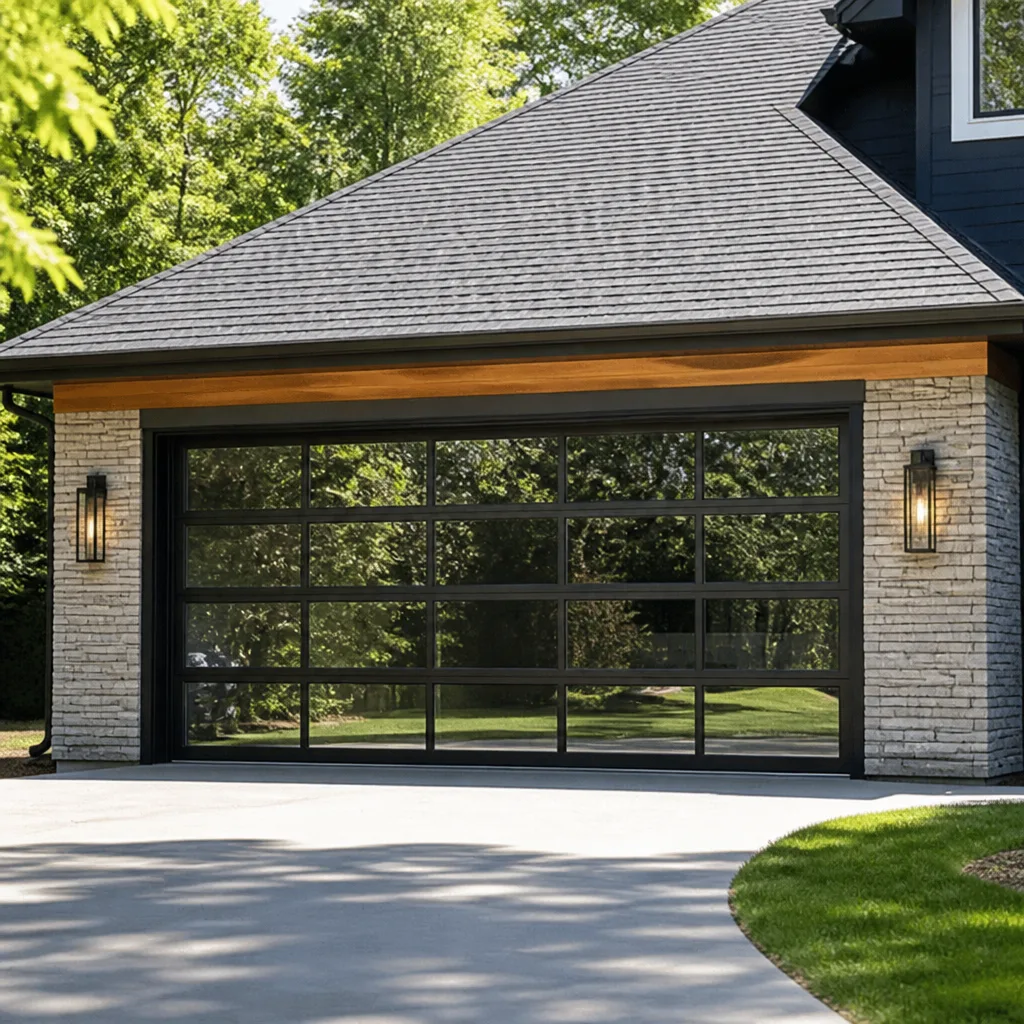 Full-view glass
 LiftMaster openers
 Chamberlain openers
Full 25-point door and opener safety check with every visit - springs, cables, rollers, tracks, and your LiftMaster or Chamberlain opener included
You get a price before we start. It does not change when the truck arrives.
Get your free estimateGarage Door Permits, Codes & Inspections in FL: What You Need to Know
In 2024, a Hollywood homeowner listed their house on a Tuesday and accepted an offer by Friday. The sale collapsed three weeks later when the wind mitigation inspection flagged the garage door. Not because the door was broken. Because it carried a Florida Product Approval number that didn’t match what Broward County required for that wind zone. The fix cost $4,000 and the closing slipped by six weeks. That’s a true story, and it’s the reason this guide exists. Florida runs two parallel approval systems for garage doors, and a door that satisfies one can still fail the other. By the time you finish reading, you’ll know exactly how both systems work, when Hollywood requires a permit, what inspectors actually check, and how to avoid paying twice for the same door. For Garage Door Repair Maintenance Checklist for Hollywood Homeowners, see our dedicated guide.
Styles & brands we work with
Quick Answer
In Hollywood, Florida, most garage door replacements require a Broward County building permit, and the door itself must carry a current Florida Product Approval (FPA) number matching your wind zone. The permit typically costs a few hundred dollars including fees, and the inspection verifies wind load compliance, proper anchoring, and structural connections. Skipping either step can void your insurance wind coverage and kill a home sale.
Table of Contents
- Florida’s Two Approval Systems: Building Code vs. Florida Product Approval
- The Broward County Garage Door Permit Process: When You Need One and What It Costs
- Hollywood Wind Zones and Wind Load Ratings Explained in Plain Terms
- What a Broward County Garage Door Inspection Actually Checks
- How an Unpermitted Garage Door Can Void Your Insurance Wind Coverage
- How to Look Up a Florida Product Approval Number Before You Buy
- DIY vs. Contractor: Why Permits Get Complicated Fast
- Common Mistakes to Avoid
- When to Call a Professional
- Frequently Asked Questions
- The Bottom Line
Florida’s Two Approval Systems: Building Code vs. Florida Product Approval
Florida is the only state where a garage door can meet one official standard and still be illegal. Here’s how it works. The Florida Building Code (FBC) governs how every structural component, including garage doors, must be installed. Then there’s a separate layer called Florida Product Approval (FPA), which certifies that a specific door model, from a specific manufacturer, has tested to withstand the wind pressures in your zone. The FBC says how it goes in. The FPA says whether that exact door is allowed to go in at all.
The reason this catches homeowners off guard is simple. A garage door sold at a big-box store in Florida may carry a marketing sticker that says “hurricane rated” or “wind rated.” That sticker is not a Florida Product Approval number. Only the FPA number, which you can verify in the Florida Department of Business and Professional Regulation database, proves the door passed Florida’s specific testing protocols. Doors that pass Texas wind tests or generic ASTM standards do not automatically qualify in Broward County.
We’ve seen this on service calls all over Hollywood. A homeowner has a Genie opener and a Wayne Dalton door installed by a contractor who said, “It’s rated, don’t worry.” The door functions fine. The inspector never came. Then a real estate transaction or an insurance renewal triggers the paperwork review, and the FPA number doesn’t exist. Now the homeowner is paying for a door twice. That second bill is almost always more than the first one because the old door has to be removed, the opening re-measured, and a compliant door installed with a permit and inspection. When we handle a garage door installation in Hollywood, the FPA verification happens before the door is ordered, not after it’s bolted in.
The Broward County Garage Door Permit Process: When You Need One and What It Costs
In Broward County, replacing an entire garage door, including the tracks and hardware, requires a building permit. You are not replacing a door. You are altering a structural opening in a wind zone. The county treats it that way, and so does your insurance company. A permit is not required for minor repairs like replacing a broken spring, a cable, rollers, or an opener. Those are considered maintenance. But the moment the door panel itself leaves the opening, the permit rules kick in.
Here’s the step-by-step process in Hollywood as of 2025:
- Determine if a permit is required. Full door replacement: yes. Panel-only replacement on an existing track system: often yes, because the wind load rating of the new panel must match the opening. Spring, cable, roller, or opener repair: no permit needed.
- Verify the FPA number on the door you’re buying before you pay for it. This is the step most homeowners skip, and it’s the one that causes the $4,000 surprises.
- Submit the permit application through the Broward County ePermits portal or the Hollywood Building Division. You’ll need the door’s FPA number, the manufacturer’s installation instructions, and a basic site plan showing the garage location.
- Pay the permit fee. For a typical residential garage door replacement in Hollywood, expect the combined permit and inspection fees to run between $150 and $400 depending on the valuation of the job. The county calculates fees as a percentage of the declared project value.
- Install the door according to the manufacturer’s FPA-listed installation method. This is critical: an FPA-approved door installed with the wrong anchors or the wrong fasteners fails inspection.
- Schedule the inspection. Broward County typically completes inspections within 2 to 5 business days of the request. The inspector will look at the anchoring, the track connections, and the wind load compliance.
The timeline from permit application to final inspection in Hollywood usually spans one to three weeks. If you’re replacing a door because it’s damaged and non-functional, that’s a long time to leave a house open. But the county does offer an emergency permit path for cases where a failed door creates a security or safety issue. Your contractor should know how to navigate that. We do.
Hollywood Wind Zones and Wind Load Ratings Explained in Plain Terms
Hollywood sits in a high-velocity wind zone. What that means concretely: building components must withstand sustained wind pressures that would shred a typical Midwestern garage door. The technical term is design pressure, expressed in pounds per square foot, and for Hollywood the requirement generally lands at or above 130 mph wind speed equivalent for residential garage doors. Some coastal pockets and high-rise buildings push higher.
Here’s the plain-English version of what 130 mph design pressure means for your door:
- The door panel has been tested by flinging 9-pound 2x4s at it at 34 mph and verifying the panel doesn’t breach. That’s the large missile impact test, and it’s mandatory in Broward County’s wind-borne debris region.
- The anchoring system has been tested to confirm the door won’t pull out of the jamb under negative pressure. When a hurricane passes over a house, the roof and walls flex, and the garage door is the single largest opening in the structure. If the door fails under suction, the garage pressurizes and the roof can lift off. That’s the mechanism behind most wind damage losses in Florida.
- The track and hardware connections have been tested to confirm the door stays on its tracks under lateral loading. A door that slams open in a storm becomes a debris missile inside the garage, damaging vehicles and interior walls.
We run into homeowners who assume any “hurricane rated” door will pass Broward County scrutiny. The truth is more granular. A door that passes in Miami-Dade might not pass in Hollywood if the FPA number specifies a different anchoring pattern for a different substrate. Concrete block versus wood frame versus pre-cast lintel: each requires a different fastener schedule, and the FPA document spells out exactly which is approved. If the installer doesn’t match the FPA’s listed installation method, the inspection fails even though the door itself is compliant.
What a Broward County Garage Door Inspection Actually Checks
A Broward County garage door inspection takes maybe 15 minutes. But those 15 minutes are specific. Inspectors don’t care about paint color or curb appeal. They care about three things, and they flag them in this order of frequency:
- Anchoring and fasteners. The inspector checks that the jamb brackets, tracks, and header brackets are fastened with the exact type, size, and spacing specified in the FPA document. We see more failures here than anywhere else. A contractor uses drywall screws because they’re handy. The FPA calls for 3/8-inch concrete anchors at 12-inch spacing. The inspector sees the wrong fastener head and fails the inspection on the spot.
- Track connection and assembly. The vertical and horizontal tracks must be joined with the manufacturer’s listed hardware, not improvised bolts from a hardware store bin. The flag bracket at the top of the track must match the FPA-listed design. Misaligned or under-torqued track bolts are a common red flag.
- Wind load marking and documentation. The inspector checks that the door carries the FPA number physically on the door or the documentation matches the number on the permit application. If the door was installed without a visible label and the paperwork is missing, the inspection stops until the homeowner produces proof of approval.
There’s a fourth item we see regularly, though it’s not strictly a code citation. Inspectors in Hollywood look at the opener’s interaction with the door. If the opener is a LiftMaster or Craftsman unit with an automatic locking mechanism that interferes with the door’s wind-resistant operation, the inspector may note it for correction. Opener repair is a separate service, but when it affects the door’s safety or wind performance, it becomes part of the inspection conversation. Our garage door repair service in Hollywood sees this regularly.
How an Unpermitted Garage Door Can Void Your Insurance Wind Coverage
Here’s the scenario we hear most often from Hollywood homeowners. They replaced their garage door five years ago. No permit. No inspection. The door works fine. Then a hurricane warning hits, and they read their policy for the first time in years and find language that makes their stomach drop. These are the kinds of Garage Door Warning Signs: A Hollywood Homeowner’s Reference Guide we urge every resident to review before trouble strikes.
The specific policy language to look for appears in the exclusions section of most Florida homeowners policies and typically reads something like: “We do not insure for loss caused directly or indirectly by a change or addition to the structure that was made without a building permit when a permit was required.” Some policies are broader and require that all wind mitigation features, including the garage door, be documented with a permit and final inspection. If you can’t produce that documentation after a loss, the carrier can deny the wind portion of your claim.
Even when the damage isn’t caused by the door itself, the absence of a permitted door can cap or reduce the payout. Wind mitigation credits lower your premium because your house is documented as more wind-resistant. If the insurer discovers the door that earned those credits was never properly permitted and inspected, they can re-underwrite the policy retroactively. That means a premium adjustment, a denied claim, or in the worst case a notice of non-renewal.
The reverse can also happen at the point of sale. Homebuyers in Broward County now routinely request permits and inspection records for wind-rated components before closing. If the seller can’t produce a permit for the garage door, the buyer’s insurer may refuse to bind coverage, and the deal stalls. In Hollywood’s competitive market, that stall often means the buyer walks. We tell every Hollywood homeowner the same thing: the permit and inspection are insurance documents as much as they are construction documents. Treat them that way.
For a full door replacement, we handle the permit, the installation, and the inspection as one package through our garage door installation in Hollywood service. The paperwork is part of the job, not an add-on.
How to Look Up a Florida Product Approval Number Before You Buy
Every garage door legally sold for installation in Broward County must carry an FPA number. The number resembles something like FL12345-R3. The “FL” prefix identifies it as a Florida approval. The digits identify the manufacturer and product. The suffix indicates the revision, and revisions matter because manufacturers update approvals when hardware or anchoring changes.
Here’s how to verify a number in about five minutes:
- Get the FPA number from the contractor or the product spec sheet. If the response is “I’ll get that to you later,” stop. The number should be available before the door is ordered.
- Go to the Florida Department of Business and Professional Regulation website and find the Florida Product Approval portal.
- Enter the FPA number into the search field. The database will return the manufacturer name, the product line, the approval status, the current revision, and the conditions of approval.
- Scroll to the conditions of approval and look for the specific installation method or anchoring requirements. This is the section that dictates the fasteners, the spacing, the substrate, and the design pressure rating.
- Verify that the design pressure rating meets or exceeds the requirement for your Hollywood address. Your contractor or the city’s maps can confirm your specific wind zone.
We’ve fixed installations in Hollywood where the door itself was legitimate but the FPA number belonged to a different model within the same manufacturer’s line. The contractor substituted a Raynor panel for a different Raynor panel because the price was close and the catalog page looked the same. The inspector pulled the FPA document and the dimensions didn’t match. The entire door had to be replaced. Five minutes of database checking would have caught it.
DIY vs. Contractor: Why Permits Get Complicated Fast
Florida law allows homeowners to pull their own permits for work on their own residence. That sounds like a money-saver. In practice, it’s where most Hollywood garage door permit problems originate.
The issue isn’t the mechanical work of hanging a door. The issue is liability and verification. When a homeowner pulls the permit, the homeowner becomes the party responsible for code compliance. If the door fails an inspection, the homeowner is the one who has to correct it. If the door fails in a wind event and the insurance company requests documentation, the homeowner has produced their own paperwork. That can complicate a claim in ways nobody anticipates.
When a licensed contractor pulls the permit, two important things happen. First, the contractor’s license is on the line, which means the contractor has an incentive to install to the FPA’s listed method. Second, the contractor’s insurance covers the installation in a way that homeowner-done work is not covered. The permit cost is the same either way. The difference is who carries the risk.
There’s also the practical side. A residential garage door is heavy. A typical double-wide door with an Amarr or Clopay panel assembly weighs 200 to 450 pounds. The torsion springs hold hundreds of pounds of stored tension. The high-tension components can cause serious injury or death if mishandled. We don’t recommend homeowners perform their own full door replacement, with or without a permit. The spring work alone is enough to warrant a professional. Our technicians service every major brand, from Wayne Dalton to LiftMaster to Genie to Raynor, and our job is to make sure the door meets Broward County code before the inspector ever arrives. A free estimate includes a wind zone check and an FPA verification, Bright Star Garage Door Repair has been doing this in Hollywood long enough to know what the inspector looks for before the inspector shows up.
Common Mistakes to Avoid
- Buying a door before checking the FPA number. A door with no Florida Product Approval is not a legal door in Hollywood, no matter what the marketing sticker says. Verify the FPA number before any money changes hands, not after the door is on the truck.
- Assuming “hurricane rated” equals “Broward County approved.” Manufacturers use loose language. The only thing an inspector cares about is the FPA document and its conditions of approval. If the marketing claim doesn’t have a database entry behind it, it’s not compliance.
- Skipping the permit because the contractor offered a cash discount. A permit for a residential garage door replacement in Hollywood costs a couple hundred dollars at most. The unpermitted door will cost more than that the first time a policy renewal or a home sale asks for the paperwork. This is the most expensive money a homeowner ever saves.
- Installing the door with the wrong fasteners. The FPA document specifies the anchor type, size, and spacing. Substituting a different fastener because it looks similar is the number one reason Hollywood garage door inspections fail. The inspector checks the fastener head, not just the spacing.
- Replacing a door and keeping the old opener without checking compatibility. A modern wind-rated door is heavier and stiffer than the door it replaced. An older Craftsman or LiftMaster opener may strain or fail against the added resistance. Opener compatibility is part of a correct installation, not an afterthought.
- Pulling the permit yourself and hiring an unlicensed installer. When you pull the permit, you are the responsible party. If the installer vanishes and the door fails an inspection, you own the correction. Hollywood homeowners find this out the hard way more often than they should.
- Thinking a warranty covers code compliance. Manufacturer warranties cover materials and workmanship. They do not cover the cost of removing a non-compliant door or correcting a failed inspection. That’s between you and whoever installed it.
When to Call a Professional
Replace a garage door in Hollywood without professional help when you’re certain the door has an FPA number that matches your wind zone, you’ve filed the Broward County permit, and you’re prepared to accept liability for the installation. That’s a narrow set of circumstances. For everyone else, the pattern looks different: the door is damaged, the spring is broken, the house is open, and the permit process feels foreign. That’s the situation where a professional saves more than time. A professional verifies the FPA number before ordering, pulls the permit under their license, installs to the listed method, schedules the inspection, and stands behind the work. If you’re in Hollywood and need a door that passes inspection the first time, call Bright Star Garage Door Repair at (833) 589-8106 for a free estimate, or browse more guides & resources on our blog. We’ll check your wind zone, verify the FPA number, and give you a written price before any work starts.
Frequently Asked Questions
Yes, replacing a full garage door or the door panels in Hollywood requires a Broward County building permit. Repairs like springs, cables, rollers, and opener work do not require a permit. Call (833) 589-8106 and we’ll confirm which category your job falls into.
A residential garage door replacement permit in Broward County typically costs between $150 and $400 including inspection fees, depending on the declared job value. The permit fee is calculated as a percentage of the project valuation, not a flat rate. We quote the permit cost as a line item in every Hollywood installation estimate.
An FPA number is a state-issued certification that a specific garage door model has passed Florida’s wind load and impact testing. The number appears on the manufacturer’s spec sheet and can be verified in the Florida DBPR online database. We verify this number before ordering any door for a Hollywood installation.
Hollywood residential garage doors generally need a design pressure rating equivalent to at least 130 mph wind speed, though coastal pockets can require higher. The specific rating depends on your exact address and wind zone. Your FPA document must list a design pressure that meets or exceeds your zone’s requirement.
Yes. Most Florida policies exclude wind damage caused by or related to modifications made without required permits. If you can’t produce a permit and final inspection for your garage door, your wind claim may be denied or reduced, and the door itself could become grounds for non-renewal.
From permit application to final inspection, a typical Hollywood garage door replacement takes one to three weeks. The inspection itself is usually scheduled within 2 to 5 business days of the request. Emergency permits exist for doors that leave a home unsecured, and a licensed contractor can navigate that path faster than a homeowner.
The Bottom Line
Garage door permits and inspections in Florida exist because a garage door is the largest structural opening in your home and the first point of failure in a hurricane. Hollywood sits in a high-velocity wind zone, which means the paperwork isn’t optional and the inspection isn’t a formality. Verify the FPA number before you buy. File the permit before you install. Match the anchoring method to the FPA document. Keep the paperwork in the same file as your insurance policy. If you’re unsure about any of it, call (833) 589-8106. We service every major brand, we handle the permit and inspection end to end, and we’ve been through this process enough times in Hollywood to know exactly what the inspector is looking for.
Written by the team at Bright Star Garage Door Repair, serving Hollywood since 2012.
See the difference
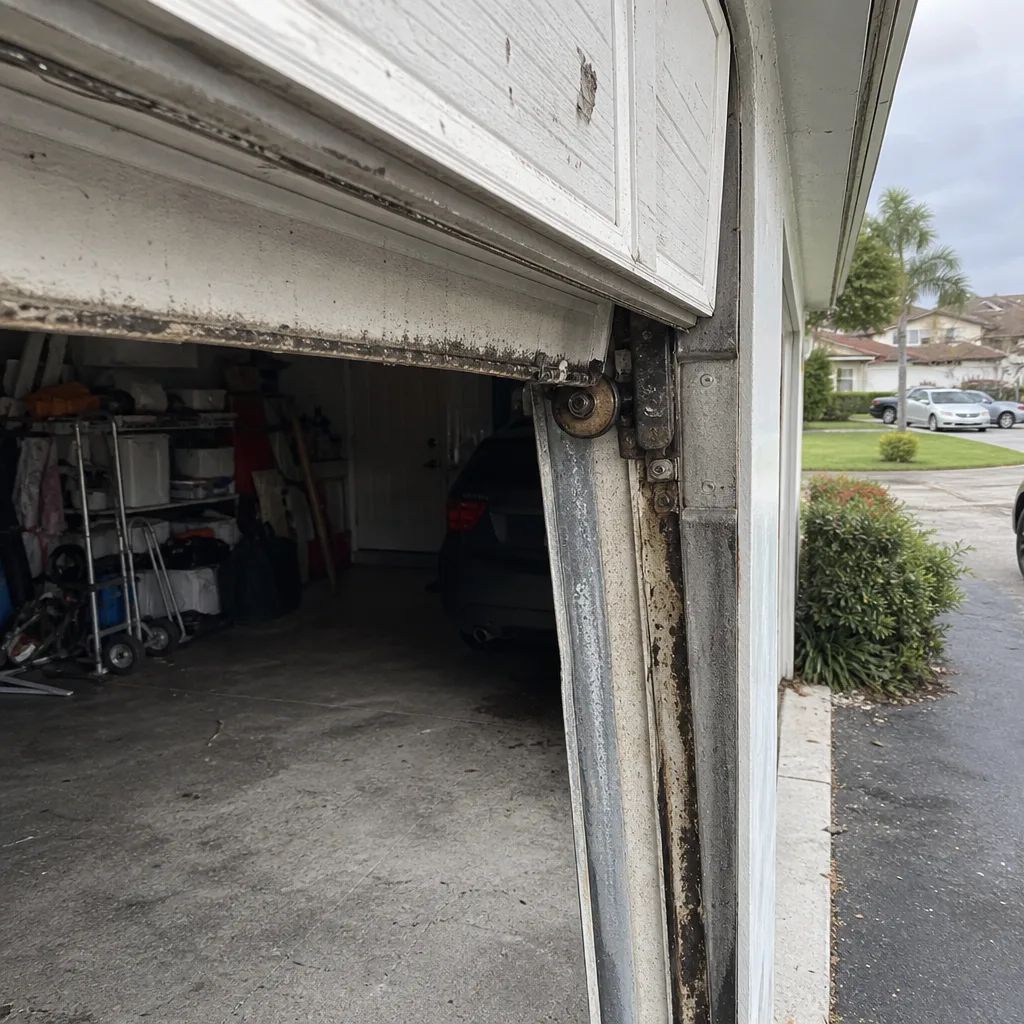 Before
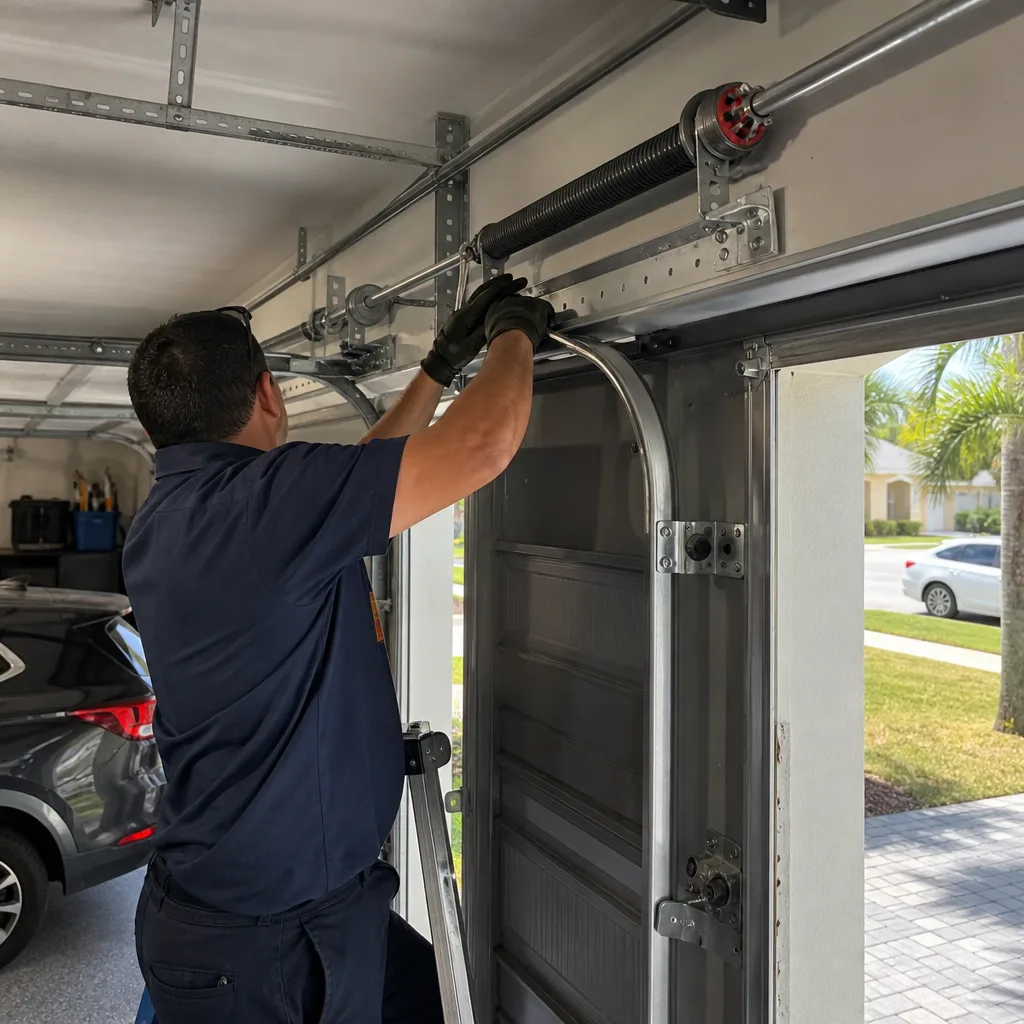 After
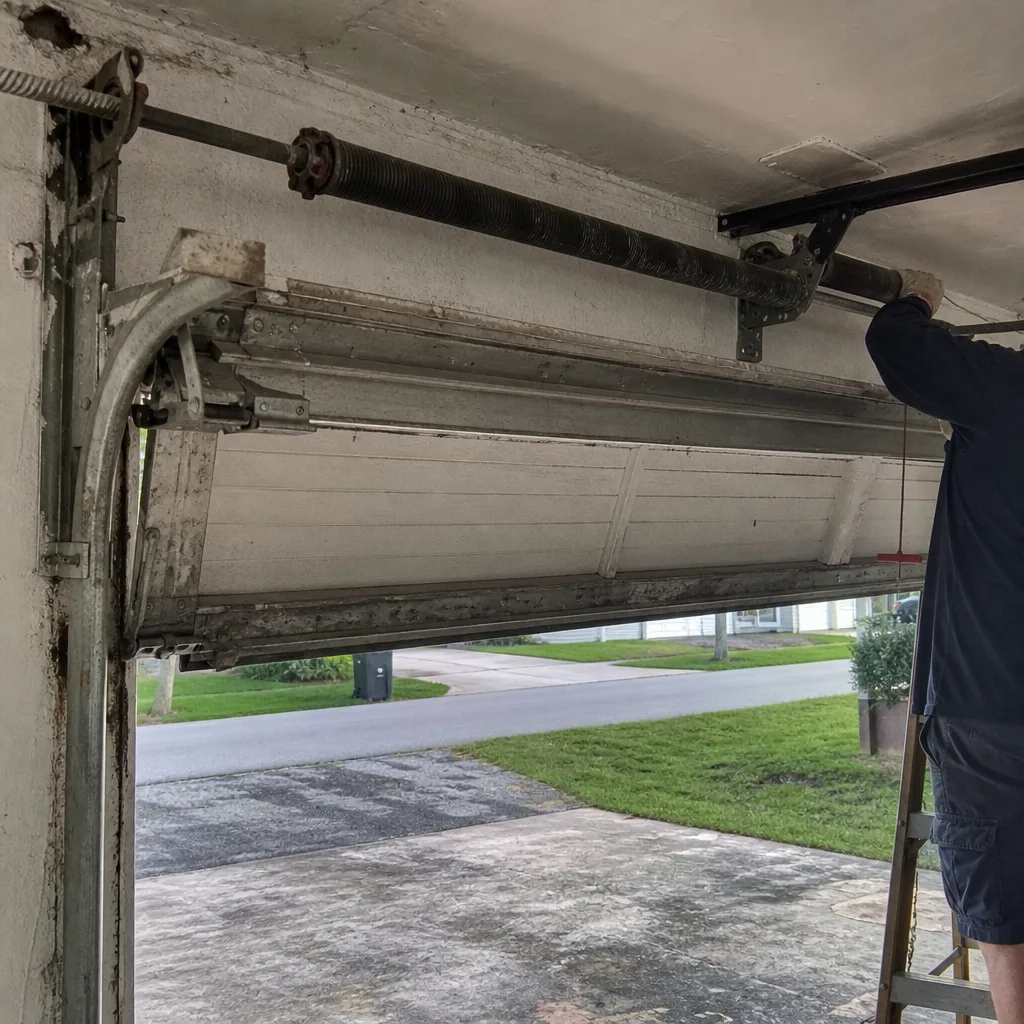 Before
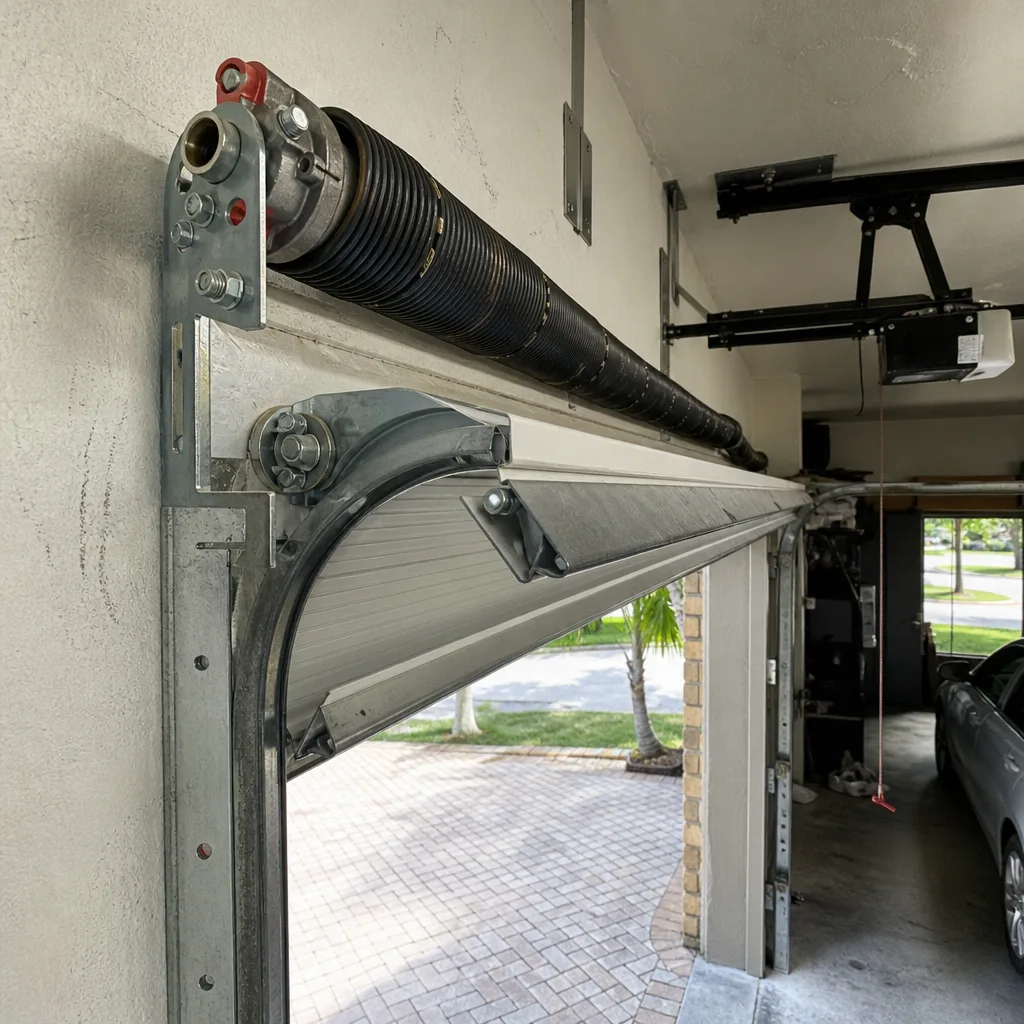 After
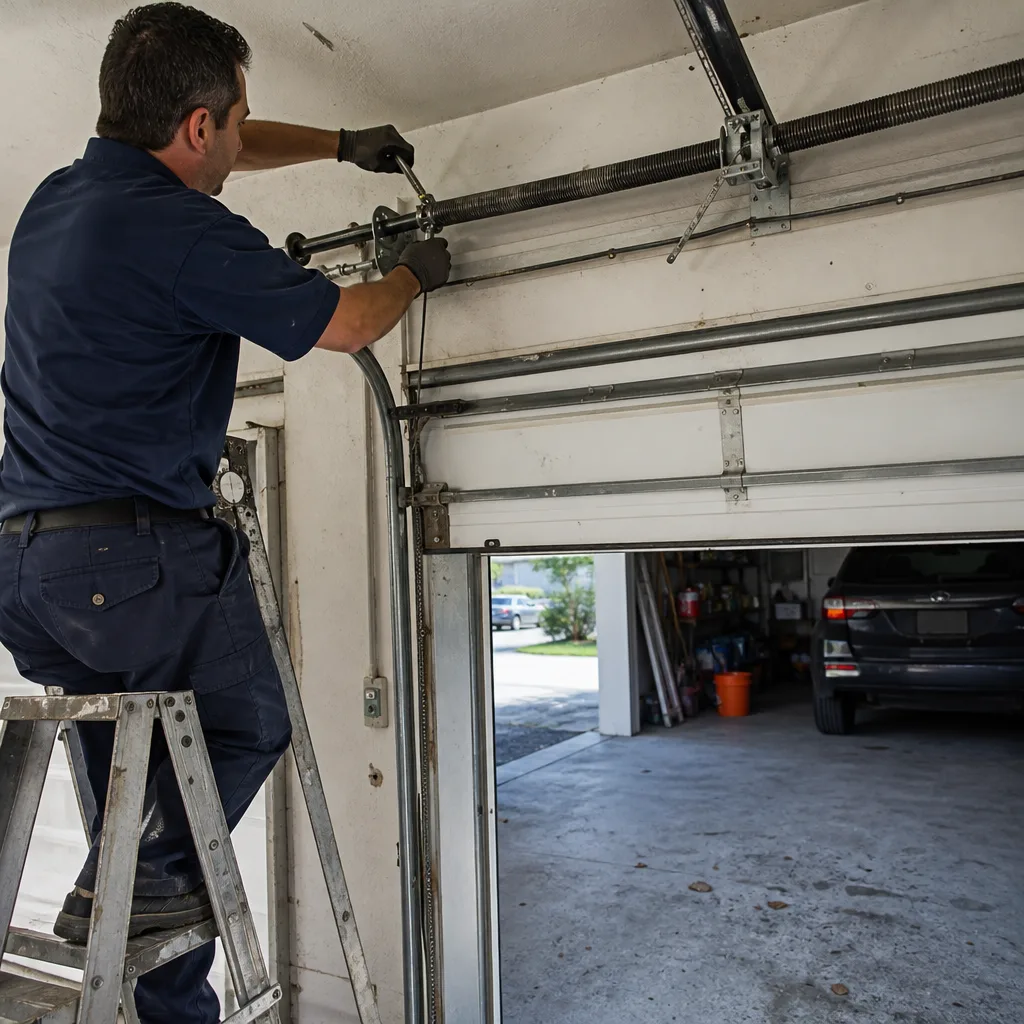 Before
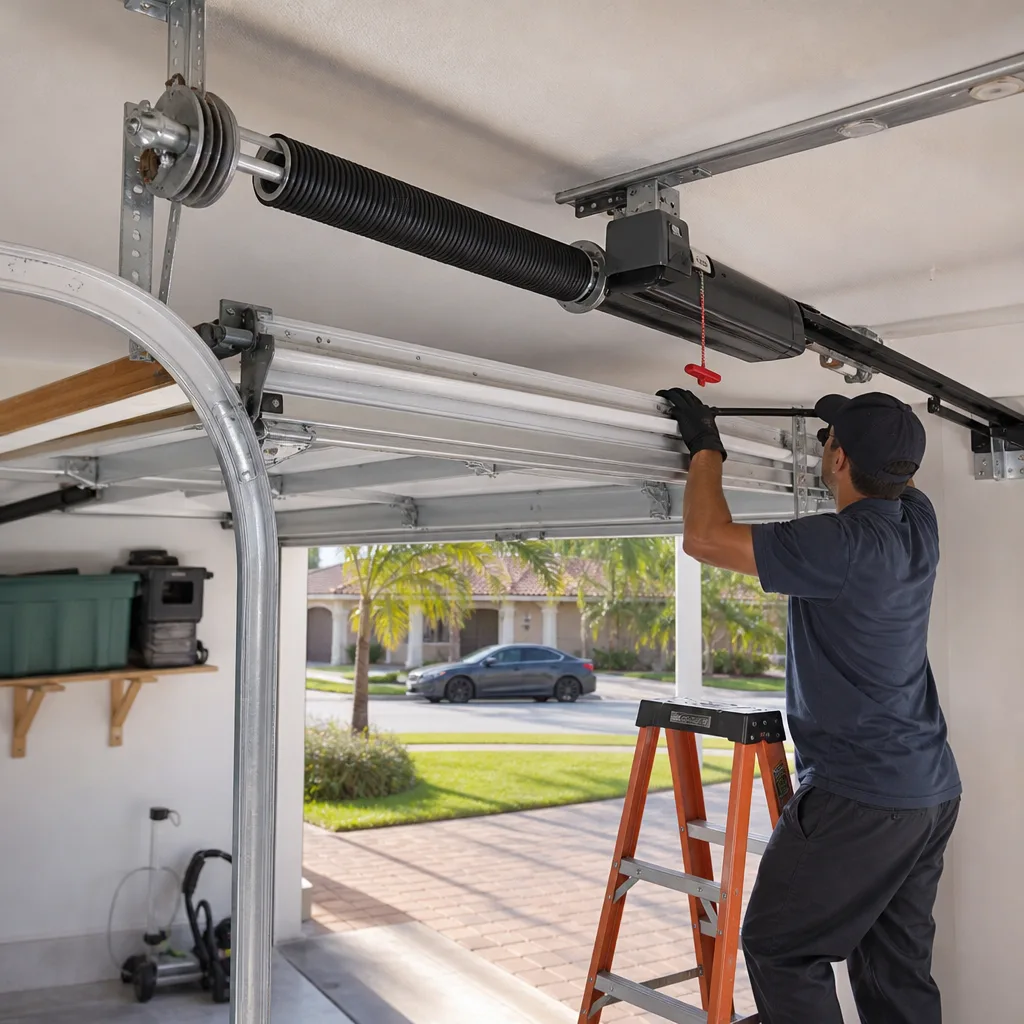 After