
Last updated October 30, 2026
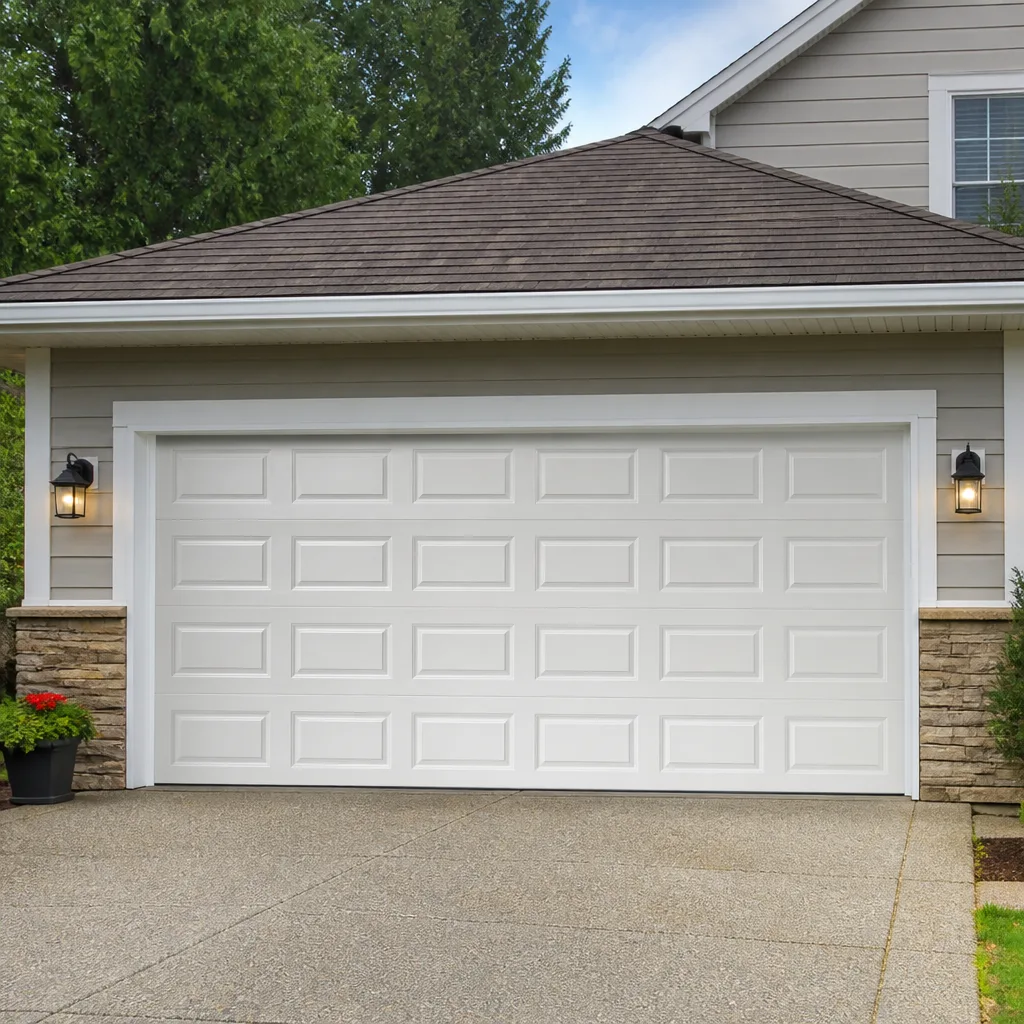 Raised-panel steel
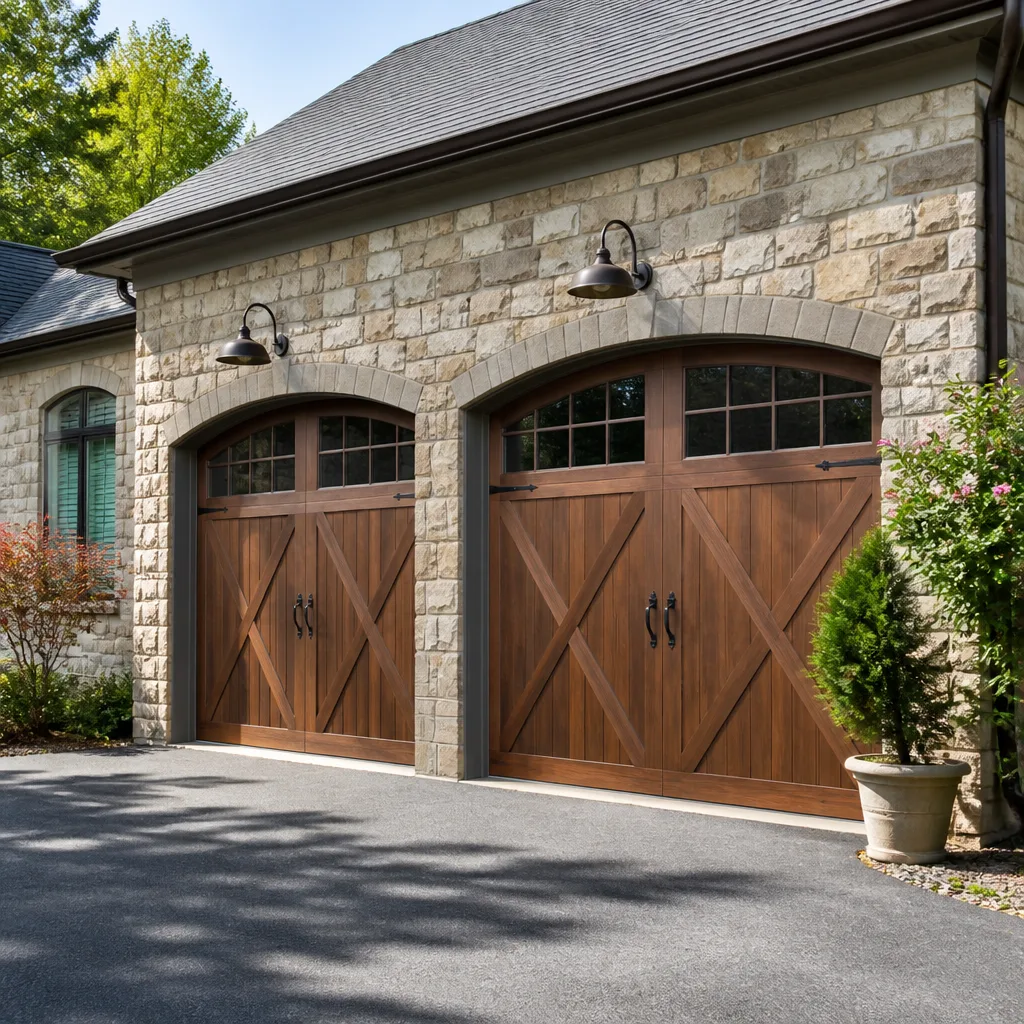 Carriage house
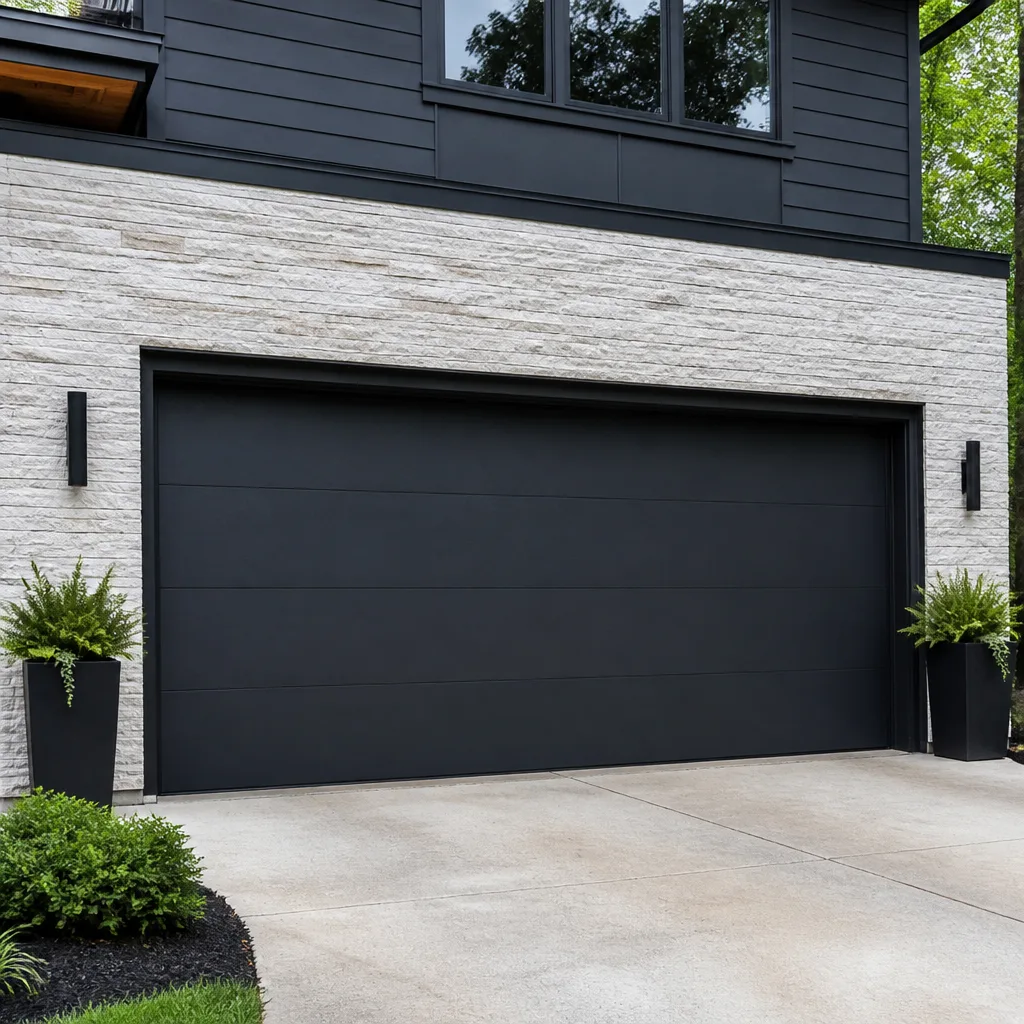 Modern flush
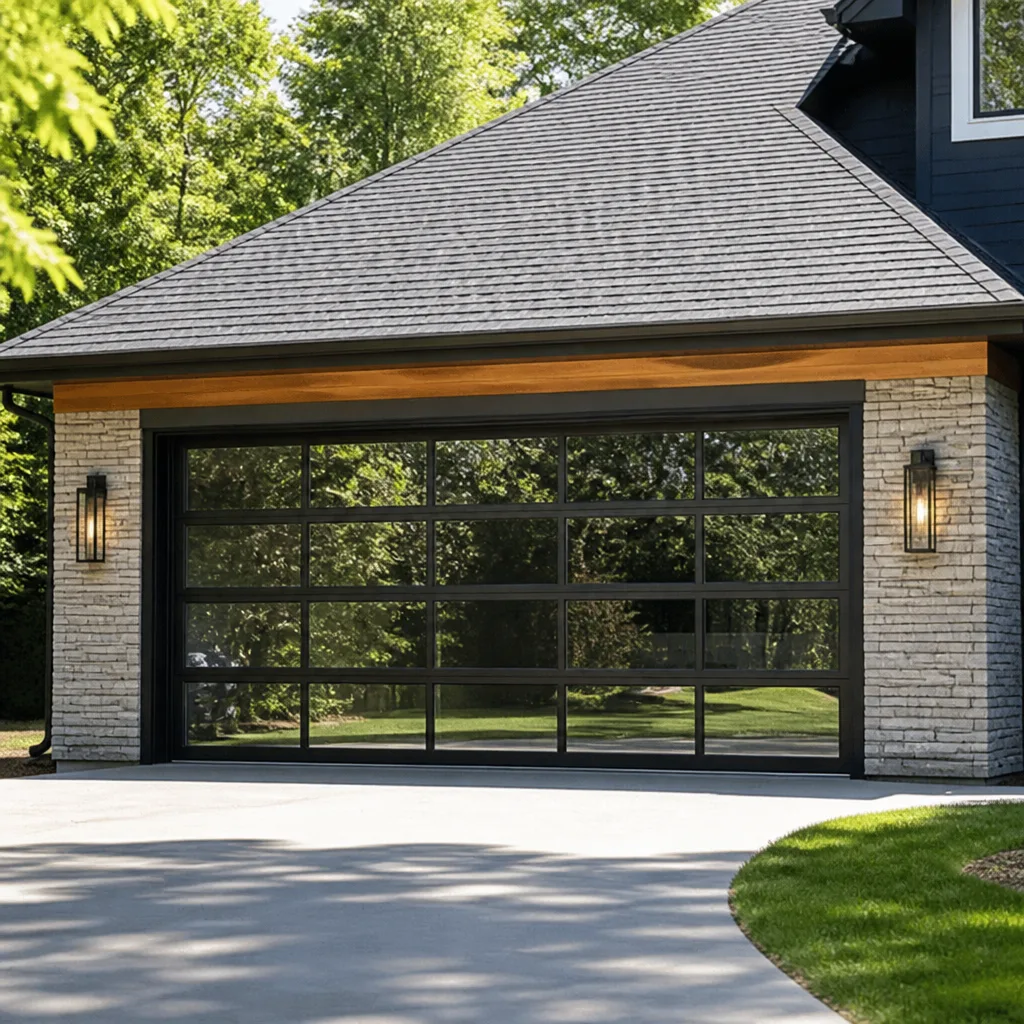 Full-view glass
 LiftMaster openers
 Chamberlain openers
Full 25-point door and opener safety check with every visit - springs, cables, rollers, tracks, and your LiftMaster or Chamberlain opener included
You get a price before we start. It does not change when the truck arrives.
Get your free estimateGarage Door Repair Maintenance Checklist for Hollywood Homeowners
The number-one maintenance mistake Hollywood homeowners make is spraying WD-40 on their garage door tracks. Walk into any hardware store in Broward County and you’ll see it recommended on the shelf, but WD-40 is a solvent, not a lubricant. In Hollywood’s heat and humidity, it thins out in weeks, attracts salt-laden grit, and can actually void the warranty on doors from Clopay and Amarr. This guide covers the six failure points that actually break garage doors in Hollywood, Florida, and gives you a maintenance routine built around our climate rather than a generic checklist written for someone in Ohio. For more help, see our Garage Door Repair services.
Styles & brands we work with
Quick Answer
A Hollywood garage door needs four seasonal maintenance passes per year: pre-hurricane hardware tightening and bracing in May, mid-summer lubrication and weather seal replacement, post-storm corrosion inspection in September, and a full system check each winter. The highest-value 30 minutes you can spend is lubricating rollers, hinges, and springs with a lithium-based grease rated for 90°F+ operation, then inspecting your torsion springs for rust and counting their cycles to estimate remaining life.
Table of Contents
- Why Hollywood’s Climate Is Harder on Garage Doors Than Most of Florida
- The Month-by-Month Maintenance Checklist for Hollywood Homes
- The Right Lubricants for Hollywood’s Temperature Range
- Weather Seal Inspection: The UV Degradation Problem
- Torsion Spring Cycle Count: How to Calculate Remaining Life
- Corrosion Protocol for Homes Within Two Miles of the Intracoastal
- Garage Door Opener Maintenance Specific to Florida Humidity
- Common Mistakes to Avoid
- When to Call a Professional
- Frequently Asked Questions
- The Bottom Line
Why Hollywood’s Climate Is Harder on Garage Doors Than Most of Florida
Hollywood sits in a moisture band that most of the country never experiences. We’re not just humid. We’re ocean-adjacent humid, with salt aerosol in the air from the Atlantic on one side and warm, stagnant humidity from the Everglades on the other. Your garage door lives in that environment 365 days a year, and it’s made of metal that rusts, fasteners that corrode, rubber that oxidizes, and springs under constant tension.
Here’s what we see on doors throughout Hollywood, from Emerald Hills to the Lakes and everywhere in between:
- Rust on torsion springs starts forming within 18 months of installation if the springs aren’t lubricated, and once rust pits form, the spring loses structural integrity and fails early.
- Roller bearing failure happens more often here because humidity swells nylon rollers unevenly and accelerates wear on steel ball bearings.
- Weather seals turn brittle and crack within three to five years from UV exposure, and once a seal cracks, water and pests get in.
- Opener circuit boards corrode faster in garages that trap humidity, and Hollywood garages trap a lot of it in the summer months.
- Track hardware loosens more frequently because the wood frames around Hollywood garage openings expand and contract with the humidity cycle, slowly pulling the track brackets loose.
Call it the Hollywood garage door tax: our doors require more attention than the same door would need in a dry climate, and skipping maintenance here costs more because the failure modes compound. The good news is that all of this is observable and preventable if you know what to look for and when to look for it.
If you’re already dealing with a door that’s past the point of maintenance, our garage door repair service in Hollywood covers everything from broken springs to off-track doors, and we’ll give you an honest assessment of whether repair or replacement is the smarter play. For now, though, let’s get into the routine that prevents problems in the first place.
The Month-by-Month Maintenance Checklist for Hollywood Homes
Generic checklists tell you to “inspect your garage door twice a year,” which is inadequate forHollywood. Our seasons don’t map to the rest of the country’s spring and fall, and your maintenance schedule shouldn’t either. Here is the exact month-by-month routine we recommend for Hollywood homeowners, timed to our actual weather patterns rather than a northern calendar.
May: Pre-Hurricane Season Preparation
This is the most important maintenance pass of the year in Hollywood. Do it before June 1:
- Tighten all track bolts and hinge screws. Use a socket set and check every bolt on the vertical and horizontal tracks, every hinge plate, and the bracket that mounts the track to the wall. In our experience, at least one bolt is loose on four out of five Hollywood doors we inspect.
- Test the door’s balance manually. Pull the emergency release cord and lift the door halfway by hand. It should hold there without drifting. If it falls, your springs are weakening and may fail during a storm event when you need the door most.
- Inspect the bottom weather seal. Run your fingers along the rubber strip at the bottom of the door. Feel for cracks, flattening, or spots where it’s pulling away from the aluminum retainer. A degraded seal lets wind-driven rain into your garage during a hurricane.
- Check the reinforcement struts. If you have a door from Wayne Dalton or another manufacturer that uses steel struts across the interior panels, confirm they’re securely attached. These struts are what give your door its wind-load rating, and a loose strut means your door underperforms its rating.
- Lubricate springs, hinges, and rollers using the products and method in the lubrication section below.
June through August: High-Humidity Summer Checks
During Hollywood’s peak humidity months, inspect monthly. This is when small problems become big ones fastest:
- Listen for changes in sound. A garage door that’s getting louder month over month is telling you something. Metal-on-metal grinding means a roller bearing is failing. A squealing sound from the opener may mean the drive gear is wearing.
- Check for condensation inside the opener housing. Hot, humid air trapped in your garage can condense inside the opener unit, especially Chamberlain and Genie models with exposed circuit boards. If you see moisture inside the housing or rust forming on the opener chassis, consider a garage dehumidifier.
- Re-lubricate sooner if you park a car inside daily. The heat from your car’s engine raises garage temperatures and accelerates lubricant breakdown. Every six weeks is not too often for a Hollywood garage that’s used multiple times daily in the summer.
September: Post-Storm Corrosion Inspection
After any storm that brings salt spray or standing water near your home, do this pass within two weeks:
- Wipe down all visible metal surfaces with a clean, dry cloth to remove salt residue. This includes tracks, springs, hinges, and the opener rail.
- Spray a light coat of corrosion inhibitor on spring ends, bearing plates, and any exposed bolt threads that show signs of surface rust.
- Run the door through three full cycles and watch for hesitation, uneven movement, or any section that catches on the track.
December and January: Dry Season Deep Maintenance
Hollywood’s dry season is the easiest time to do thorough maintenance because temperature and humidity are both low. This is when you tackle the longer tasks:
- Deep clean the tracks using a damp cloth, not a solvent. Remove embedded grit that accumulated over the summer.
- Inspect every roller individually. Look for cracked nylon wheels, play in the bearing, or rollers that have flattened on one side. A bad roller is a cheap fix now and a track-damaging failure later.
- Test safety reversal systems. Place a 2×4 flat on the ground under the door and close it. The door should reverse on contact. Also test the photo-eye sensors by blocking the beam with your hand while closing.
- Check the opener’s drive belt or chain tension against the manufacturer’s specification in your manual. Florida’s heat can cause polymer belts to stretch.
The Right Lubricants for Hollywood’s Temperature Range
Most garage door guides tell you to use “silicone spray.” That advice is written for moderate climates and it’s incomplete for ours. Hollywood garages routinely reach 95°F to 105°F in the summer, and standard silicone sprays thin out or evaporate in that heat. What you use matters more than how often you use it.
What to Use in Hollywood
- White lithium grease on metal-to-metal pivot points: hinge plates, spring coils, bearing plates, and the opener rail. It stays viscous at 100°F+ and doesn’t wash off under condensation cycles.
- Silicone-based garage door lubricant specifically formulated for garage doors, not general-purpose silicone from the auto aisle, on nylon rollers and weather seals to keep rubber flexible without oil damage.
- Corrosion inhibitor like T-9 Boeshield or a light machine oil on exposed bolt threads and spring ends, especially if you live in Hollywood’s coastal zone.
What Not to Use
- WD-40 on any load-bearing surface. It’s a penetrant and degreaser, not a lubricant. It strips the existing lubricant film and then evaporates, leaving metal unprotected and worse off than before.
- Heavy axle grease on rollers. It’s too viscous and attracts dust and grit that grinds inside the bearing.
- Motor oil anywhere. It drips, it stinks, and it degrades nylon components.
How to Lubricate Correctly
- Wipe each component clean with a rag first. Never lubricate over old, grit-contaminated grease; you’re just creating grinding paste.
- Apply a thin, even coat. Two light passes is better than one heavy glob, which flings off onto the tracks and attracts debris.
- Lubricate the torsion spring coil faces, not just the ends. The coils rub against each other as the spring winds and unwinds, and that friction is what causes early spring failure.
- Run the door through two full cycles after lubricating to distribute the lubricant evenly.
- Visible cracking that looks like dry riverbeds along the surface of the rubber
- Color change from black to gray or brown, especially on the lower edges
- Stiffness loss where the seal no longer springs back when squeezed
- Chalkiness where the rubber compound is breaking down into powder
- Close the door fully and look along the bottom from inside the garage with the door closed. Any light visible under the door means your seal isn’t sealing.
- Run your fingers along the side and top weatherstripping. Feel for sections that have shrunk, pulled away from the frame, or turned brittle.
- Pour a cup of water along the bottom edge of the closed door from the outside. Water should bead up and run along the seal, not under it. If water penetrates, you’ll see a wet line forming inside.
- One car household, one driver commutes: 2 to 3 cycles per day (out in the morning, in at night, maybe a trip out for errands)
- Two cars, both drivers commute: 4 to 5 cycles per day
- Household with teens: 6 to 8 cycles per day, sometimes more
- Garage used as workshop, gym, or primary entry: 8 to 12 cycles per day
- Visible rust on any part of the spring coil
- Gaps opening between coils when the door is closed, indicating the spring is losing tension
- The door feels heavier when you lift it manually or the opener sounds strained
- The door drifts down when you manually set it at the halfway point
- Frequent spring-related adjustments by a technician in recent years
- Salt aerosol from the ocean and the Intracoastal settles on every exposed metal surface and accelerates electrochemical corrosion
- Warm, moist air holds that salt in solution, creating the corrosive environment even when you’re not near the beach
- Condensation cycles as day-to-night temperature changes cause moisture to bead and then dry, concentrating salt deposits
- Inspect springs monthly, not quarterly. Surface rust on a coastal home’s springs can form in as little as six weeks of inactivity during the summer.
- Apply corrosion inhibitor quarterly to spring ends, hinge pins, bearing plates, and the opener rail. This adds a layer of protection beyond standard lubrication.
- Check the opener chassis and mounting hardware for rust and replace any corroded fasteners. A rusted mounting bracket can eventually fail and drop the opener.
- Consider stainless steel hardware for any replacement parts. Stainless hinges, track bolts, and spring anchor plates cost more upfront but last two to three times longer within the Hollywood coastal zone.
- Wash the exterior of the door periodically with mild soap and water to remove salt film, especially after windy days that blow salt spray inland.
- Check for visible condensation inside the housing twice a year, once in August and once in January. Remove the light cover and inspect with a flashlight.
- Confirm the opener’s ventilation slots are not blocked by storage, insulation, or debris. The unit needs airflow to prevent condensation buildup.
- Test the photo-eye sensors by wiping them clean monthly and verifying the door reverses when the beam is blocked during closing.
- Listen for a struggling motor. If the opener sounds labored or the drive chain or belt skips, the motor may be working against a door balance problem. Continued operation shortens the opener’s life.
- Inspect the drive chain or belt tension. Florida heat can cause the belt to stretch and the chain to go slack, leading to jerky operation and premature sprocket wear.
- Using WD-40 as a lubricant. It strips the protective lubricant film and then evaporates, leaving bare metal to rust in Hollywood’s humid air. Any guide that recommends it is a guide you should discard.
- Skipping pre-hurricane maintenance because “it was fine last year.” A loose track bolt is fine until the winds hit 70 mph and the door takes a lateral load. Check every year, before the season starts.
- Replacing the opener when the springs are the real problem. A door with weakened springs can make a perfectly good opener work so hard it overheats. New springs often solve the issue and save you $400+ on an unnecessary opener replacement.
- Ignoring a door that’s getting louder over time. Noise is data. A grinding sound is a bearing telling you it’s about to seize. A creaking sound is a hinge pin running dry. Address it early and the repair is small. Wait and it becomes a track replacement.
- Lubricating the tracks. Tracks should be clean and dry. Lubricant on the tracks makes rollers slide instead of roll, accumulates grit, and invites salt buildup on coastal Hollywood homes.
- Assuming a garage door inspection is “just a visual check.” A proper inspection includes balance testing, spring cycle assessment, opener force testing, and hardware torque checks. If your “inspection” didn’t involve touching the door, it wasn’t an inspection.
In our experience maintaining doors on Amarr and Clopay systems across Hollywood, proper lubrication extends spring life by two to three years on average compared to doors that are never touched. It’s the single highest-return maintenance task.
Weather Seal Inspection: The UV Degradation Problem
Garage door weather seals in Hollywood don’t usually wear out from friction. They die from UV radiation. Our sunlight is relentless, our UV index climbs past 10 most of the year, and the bottom seal on your door takes direct sun for several hours every afternoon if your garage faces west or south.
A UV-degraded seal will look different from a mechanically worn one. Instead of being worn flat evenly, it will show:
How to Inspect Your Seals
When to Replace
In Hollywood, we recommend replacing the bottom seal every three to four years even if it looks passable. By the time UV damage is visually obvious, the seal has already lost most of its elasticity and is no longer making a tight compression seal against your garage floor. If you live in a community where the garage is conditioned or you store temperature-sensitive items, replace it every two to three years.
Replacing a bottom seal is a ninety-minute job on most Hollywood doors, but it requires pulling the old seal out of its aluminum retainer channel without bending the channel, cutting the new seal to exact width, and working it into the retainer groove without stretching it. If the retainer itself is corroded or damaged, replacement is a job for a technician. For homes where the door has been through several storm seasons without seal replacement, we often find the retainer needs replacement too.
Torsion Spring Cycle Count: How to Calculate Remaining Life
Most Hollywood homeowners learn how many cycles their garage door springs are rated for only after a spring breaks. Standard torsion springs are rated for 10,000 cycles. That sounds like a lot until you do the math, because your door uses cycles faster than you think.
The Formula
Rated cycles remaining = 10,000 – (average daily cycles × days since installation).
Here’s how to estimate your average daily cycles:
Real-World Example for a Hollywood Home
Take a typical Hollywood family in the Lakes or Hollywood Hills: two cars, two working adults, kids who come and go. That’s five to six cycles per day on a modest day, more on weekends.
Six cycles per day × 365 days = 2,190 cycles per year. A 10,000-cycle spring reaches its rated life in about 4.5 years. That matches what we see on doors throughout Hollywood: replacement springs last four to six years depending on usage and climate exposure, and coastal homes with corrosion issues may get less.
Signs Your Springs Are Nearing the End
If your springs are past the five-year mark in a Hollywood home with multiple daily users, we recommend having them inspected rather than waiting for a failure. Learn what to watch for in our Garage Door Warning Signs: A Hollywood Homeowner’s Reference Guide. A snapped torsion spring is not just an inconvenience. It can send a door crashing if the opener’s safety mechanisms are also aging, and it can damage the door itself, the opener, and whatever is under it.
Safety note: Torsion springs on garage doors are under enough tension to cause serious injury or death if they release suddenly. Never attempt to remove, adjust, or replace a torsion spring yourself. The inspection steps above are visual only. If you see rust, gaps, or suspect your springs are failing, call a trained technician. This is the one component on your garage door where DIY is not an option.
That’s why spring replacement is one of the most common repairs we handle at Bright Star in Hollywood, and why we always quote the spring replacement price before any work begins.
Corrosion Protocol for Homes Within Two Miles of the Intracoastal
If you live east of US-1 in Hollywood, or within about two miles of the Intracoastal Waterway, your garage door hardware is in a salt-air environment. The effect is measurable: we replace springs, rollers, hinges, and opener rails on coastal Hollywood homes 30 to 40 percent more often than on homes west of I-95.
Here’s the corrosive trio that attacks your door:
What Coastal Hollywood Homes Should Do Differently
If your home is in Hollywood Lakes, North Beach, or anywhere east of Federal Highway, adjust your maintenance expectations accordingly. Your door needs more attention than the same model in a Cooper City garage, and there’s no way around it.
Garage Door Opener Maintenance Specific to Florida Humidity
Your garage door opener is an electronic device living in a harsh environment. Most opener failures we diagnose in Hollywood are not motor failures. They’re corrosion, heat, and electrical problems. Here’s what to check on your opener, whether it’s a LiftMaster, Chamberlain, Genie, or Craftsman unit.
How Humidity Affects Openers
Florida humidity does two things to garage door openers. First, it promotes gradual corrosion on circuit boards and electrical contacts inside the opener housing. Second, it causes condensation buildup that can short out the logic board when the temperature swings dramatically. This is why openers in Hollywood garages that trap humidity fail faster than openers in well-ventilated garages, even when both units are the same model.
Opener Maintenance Checklist
If your opener is showing signs of logic board issues (the door opens but won’t close, the remote range is drastically reduced, or the unit resets randomtimes), we handle opener repair in Hollywood as a dedicated service, not a side job. Opener diagnosis is one of the areas where we separate ourselves from generalist repair companies: the opener has a diagnosis, not just a symptom.
Common Mistakes to Avoid
When to Call a Professional
There’s a line between maintenance you can do yourself and work that requires a trained technician. You should call us when you see any of the following: broken or cracked spring coils, visible corrosion on springs or cables, an opener that trips its internal breaker repeatedly, a door that’s come off its tracks, fraying on lift cables, or any situation involving spring tension. These are not DIY fixes. A torsion spring under load can seriously injure you if handled incorrectly.
Maintenance is prevention. Repair is intervention. Knowing which situation you’re in saves you money and keeps your family safe. If your door is showing multiple symptoms, or if you’ve never had a professional inspection, start there. Bright Star Garage Door Repair offers free estimates in Hollywood. Call (833) 589-8106 and we’ll tell you honestly what needs attention and what can wait.
And when a door is beyond saving, you don’t need to start over with a different company. Full garage door installation in Hollywood is handled by the same team, so you can go from broken to brand-new with one call.
Frequently Asked Questions
Perform the full checklist four times per year in Hollywood: May (pre-hurricane), monthly light checks June through August, September (post-storm), and December/January (dry season deep maintenance). Coastal homes east of US-1 should add monthly spring inspections during the summer. Call (833) 589-8106 if any inspection turns up something you’re not sure about.
A professional garage door tune-up in Hollywood typically costs between $75 and $150, depending on what’s included. Some companies charge extra for lubrication or minor adjustments. At Bright Star Garage Door Repair, we quote the full price upfront before any work begins, so you know the cost before we touch the door.
No, you should not use WD-40 on your garage door springs, hinges, rollers, or tracks. WD-40 is a solvent that strips protective lubricant and evaporates quickly, leaving bare metal exposed to Hollywood’s humid, salty air. Use white lithium grease on metal pivot points and a silicone-based garage door lubricant on nylon rollers and seals instead.
If your Hollywood home is within two miles of the Intracoastal or the Atlantic, salt aerosol accelerates corrosion on every exposed metal surface. Proximity to the water, garage ventilation, and whether you park a hot car inside all play a role. Coastal homes need more frequent spring inspections and quarterly corrosion inhibitor application.
Standard 10,000-cycle torsion springs last four to six years on a typical Hollywood home with multiple vehicles and daily use. Count your cycles: if your household uses the door five to six times per day, you’re consuming about 2,000 cycles per year. Homes close to the Intracoastal may see shorter spring life due to salt-induced rust.
We service your brand. Bright Star Garage Door Repair works on all major brands found in Hollywood homes, including Clopay, Amarr, Wayne Dalton, Genie and others. Whether you have a builder-grade steel door or a premium insulated model, the same technician handles diagnosis and repair. Call (833) 589-8106 for a free estimate.
The Bottom Line
Garage door maintenance in Hollywood is not a twice-a-year afterthought. It’s a climate-specific routine built around hurricane season, high-humidity summers, and coastal salt exposure that changes what you inspect, how often you inspect it, and what products you use. Use white lithium grease, not WD-40. Replace your weather seals every three to four years before UV damage makes them useless. Count your spring cycles so you can replace them on your schedule rather than theirs. Check your hardware after every storm. Do these things, and a Hollywood garage door will serve you for a decade or more. Skip them, and you’ll be one of the calls we get on a Monday morning after a spring fails at 7 a.m. Eight brands, one number to call: (833) 589-8106.
For more information about our services in the Hollywood area, visit the Bright Star Garage Door Repair home page.
Written by the team at Bright Star Garage Door Repair, serving Hollywood since 2012. Explore more guides & resources on our blog.
See the difference
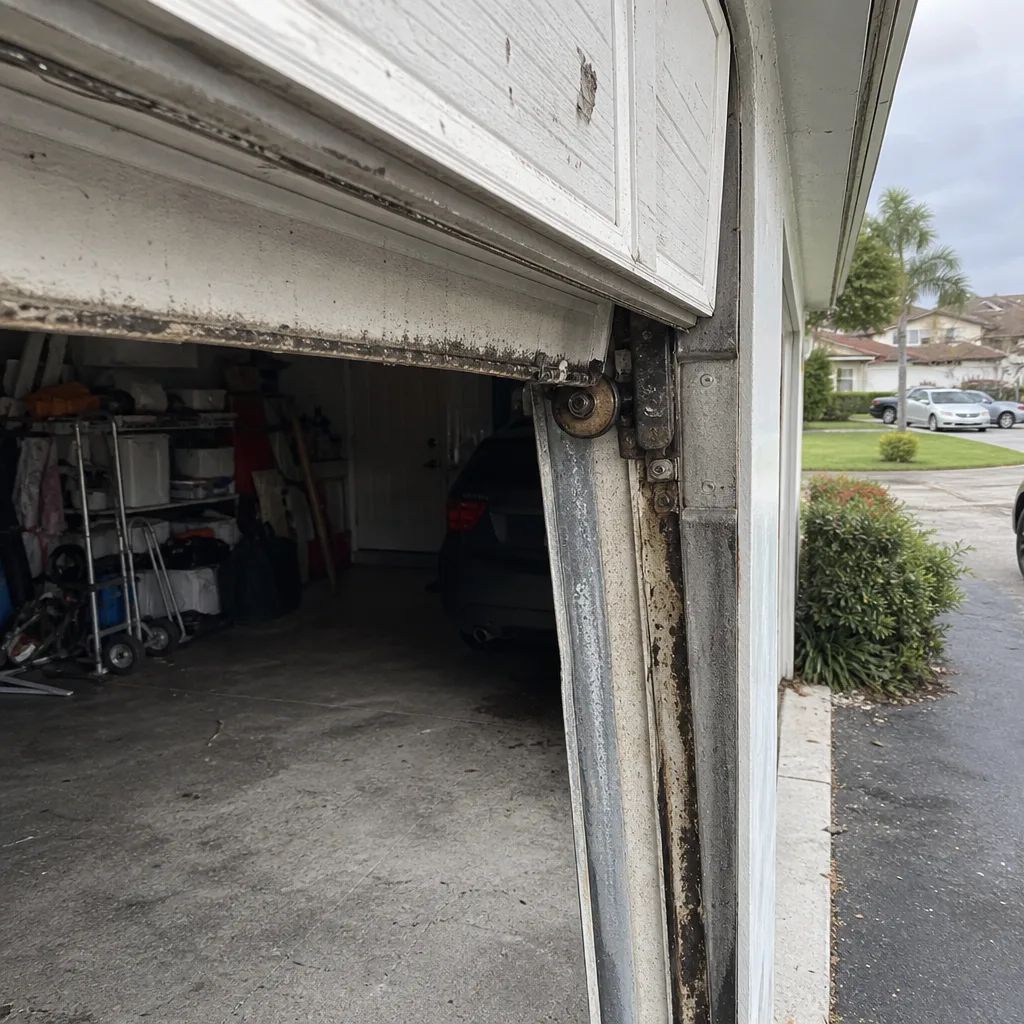 Before
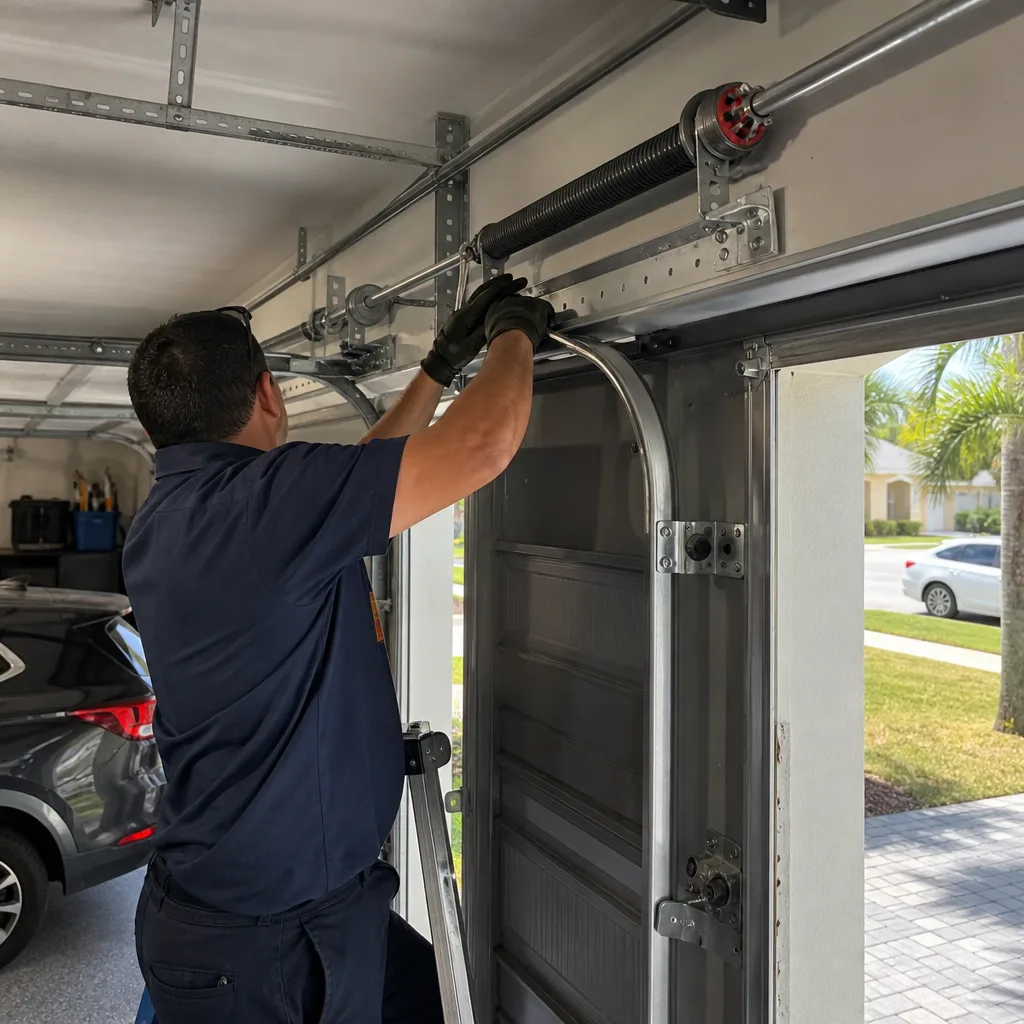 After
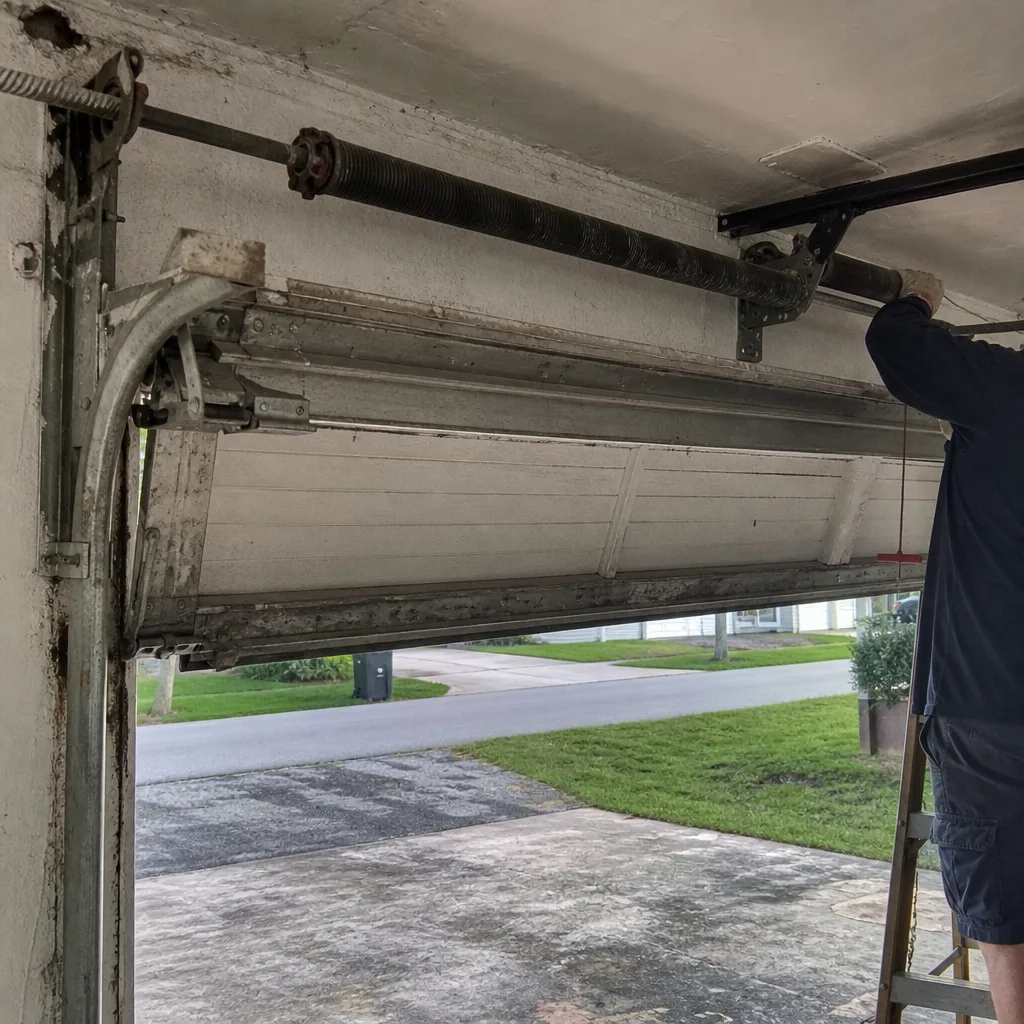 Before
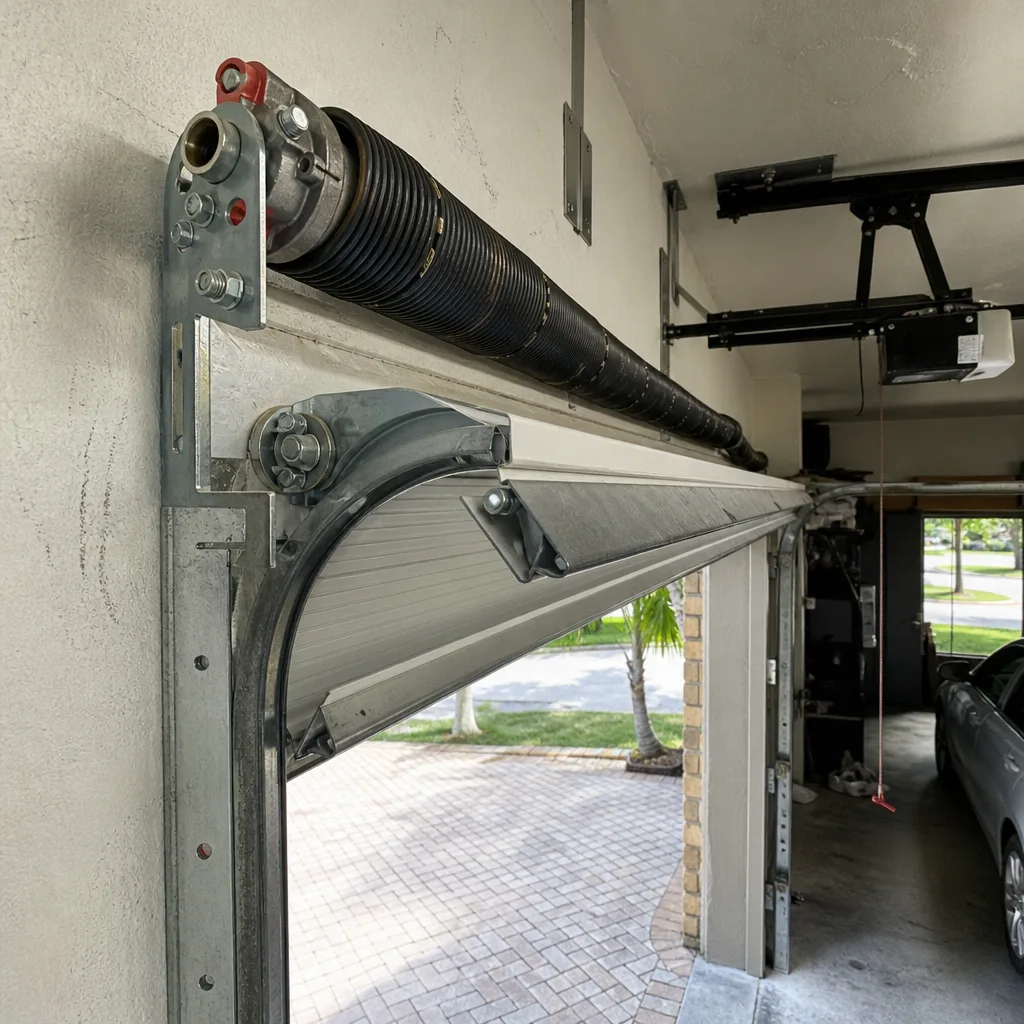 After
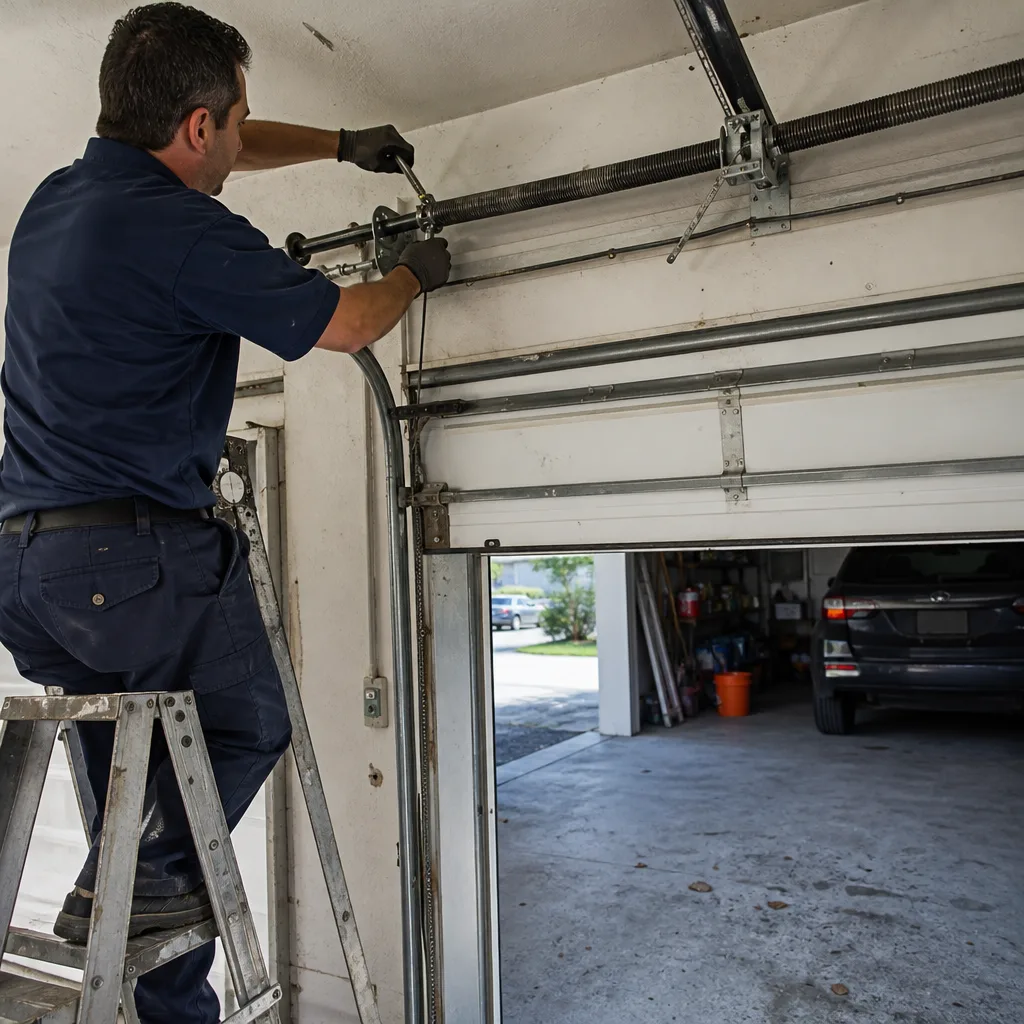 Before
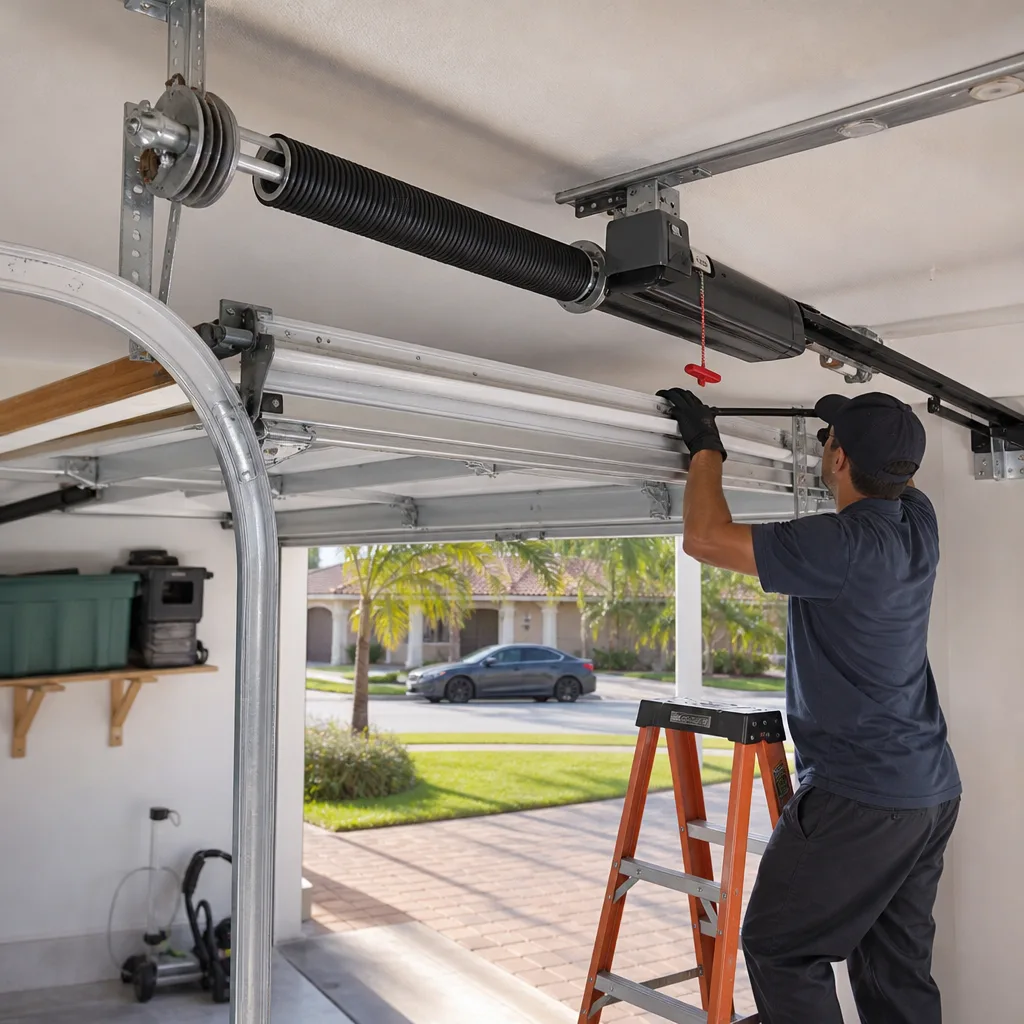 After