Last updated October 30, 2026
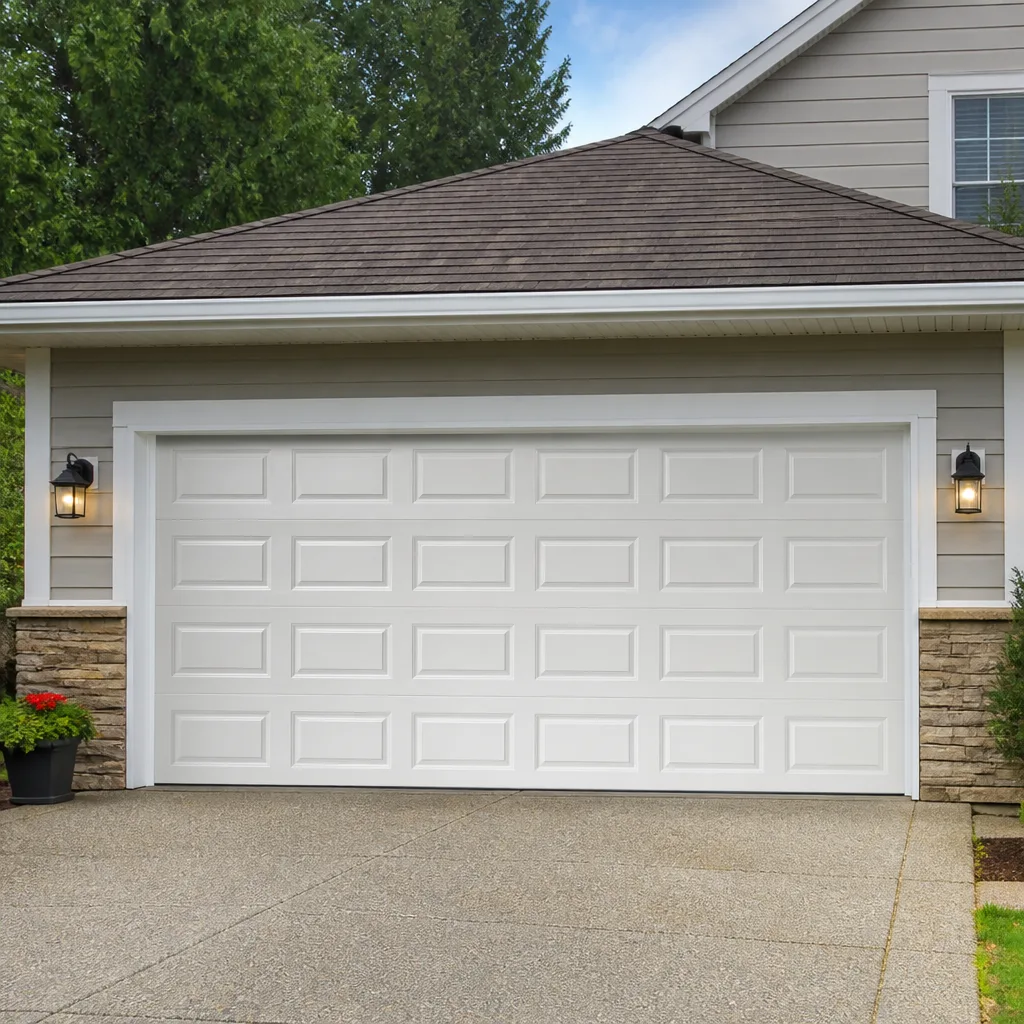 Raised-panel steel
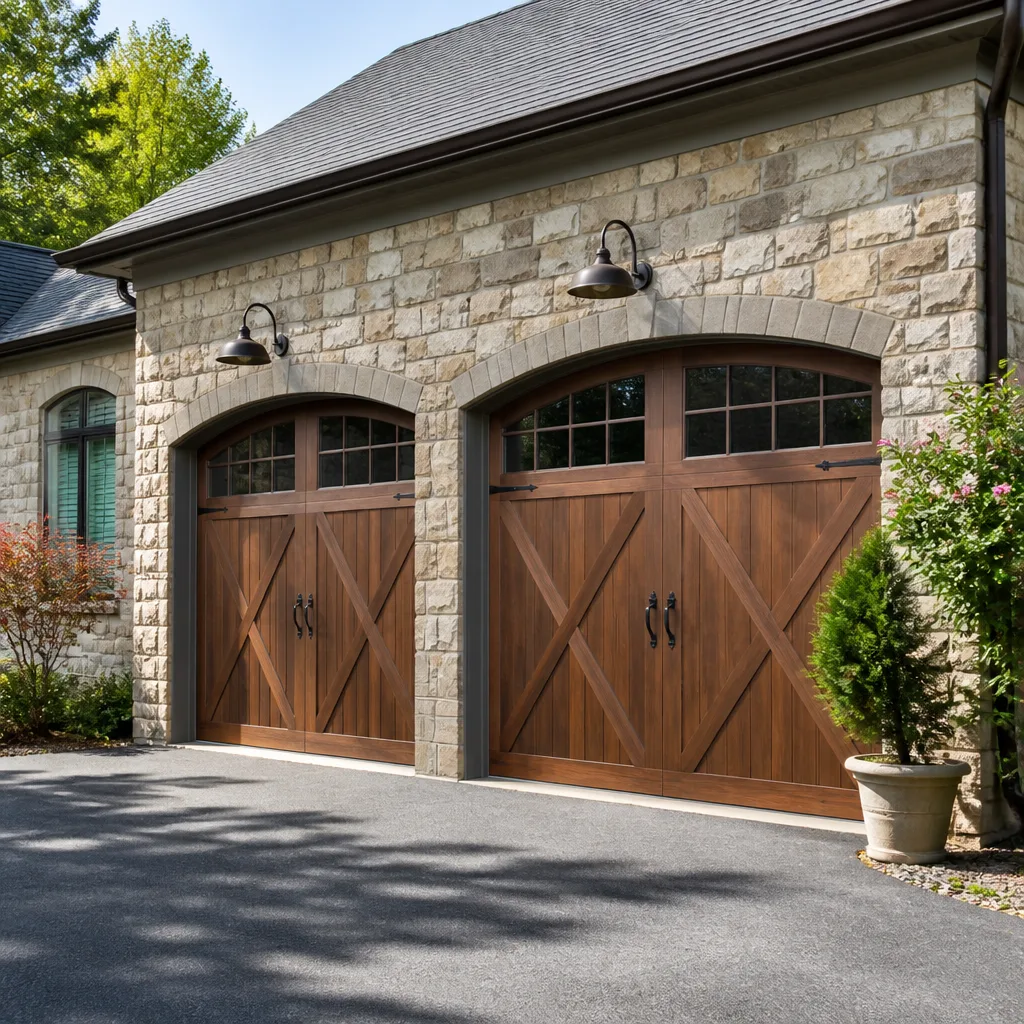 Carriage house
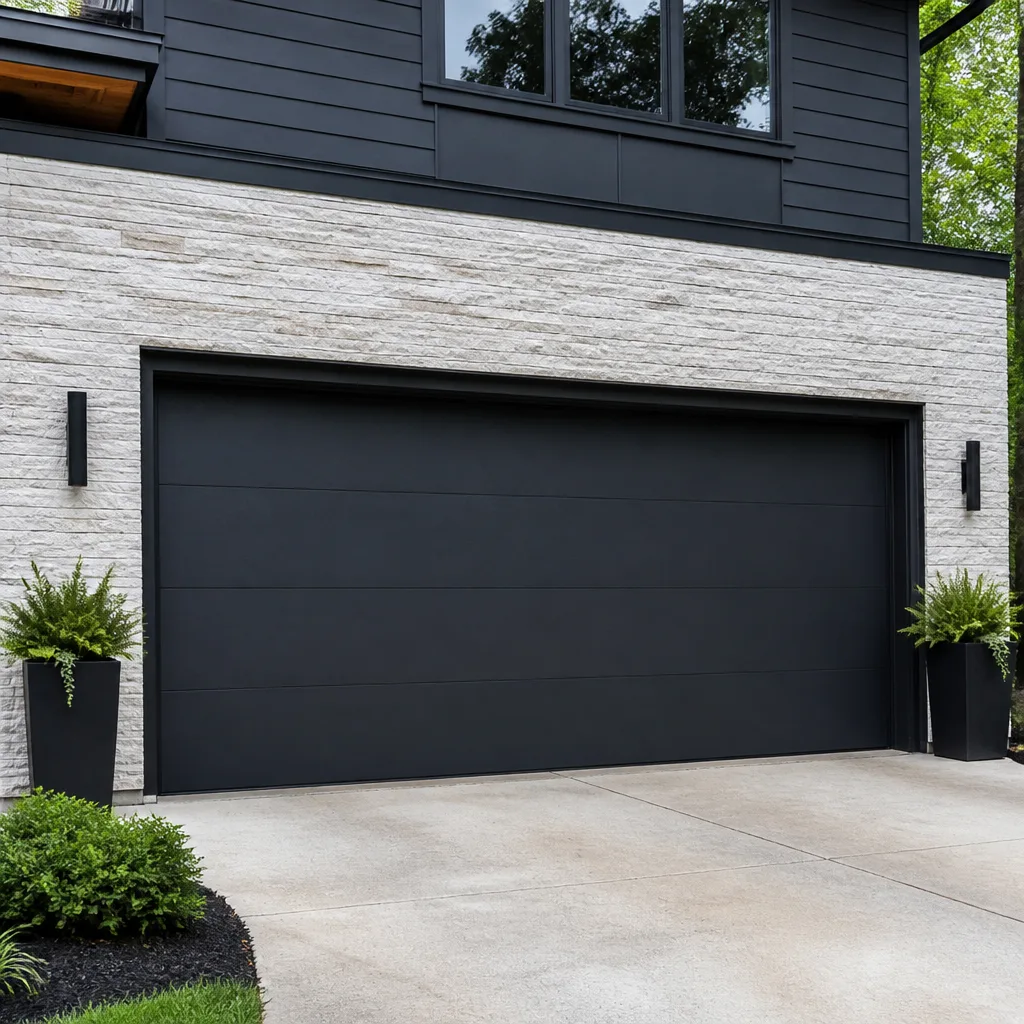 Modern flush
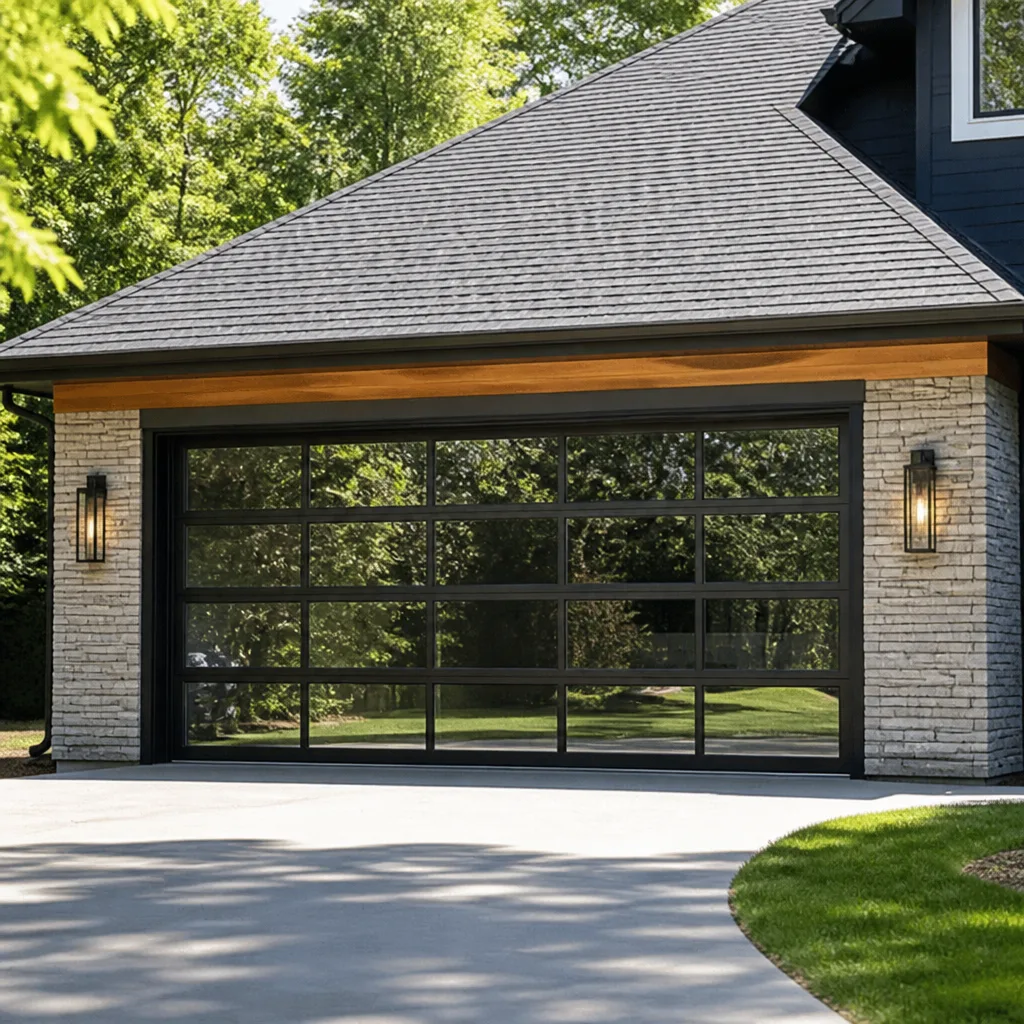 Full-view glass
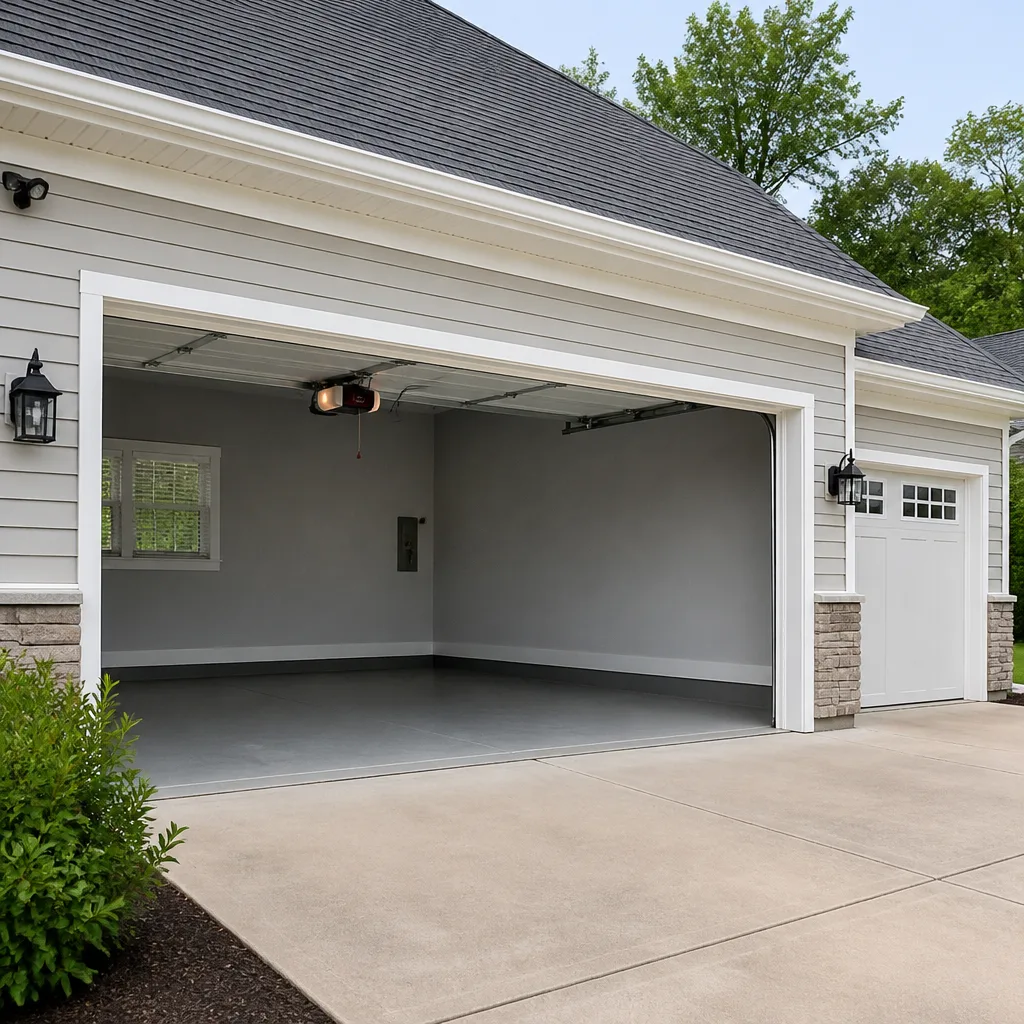 LiftMaster openers
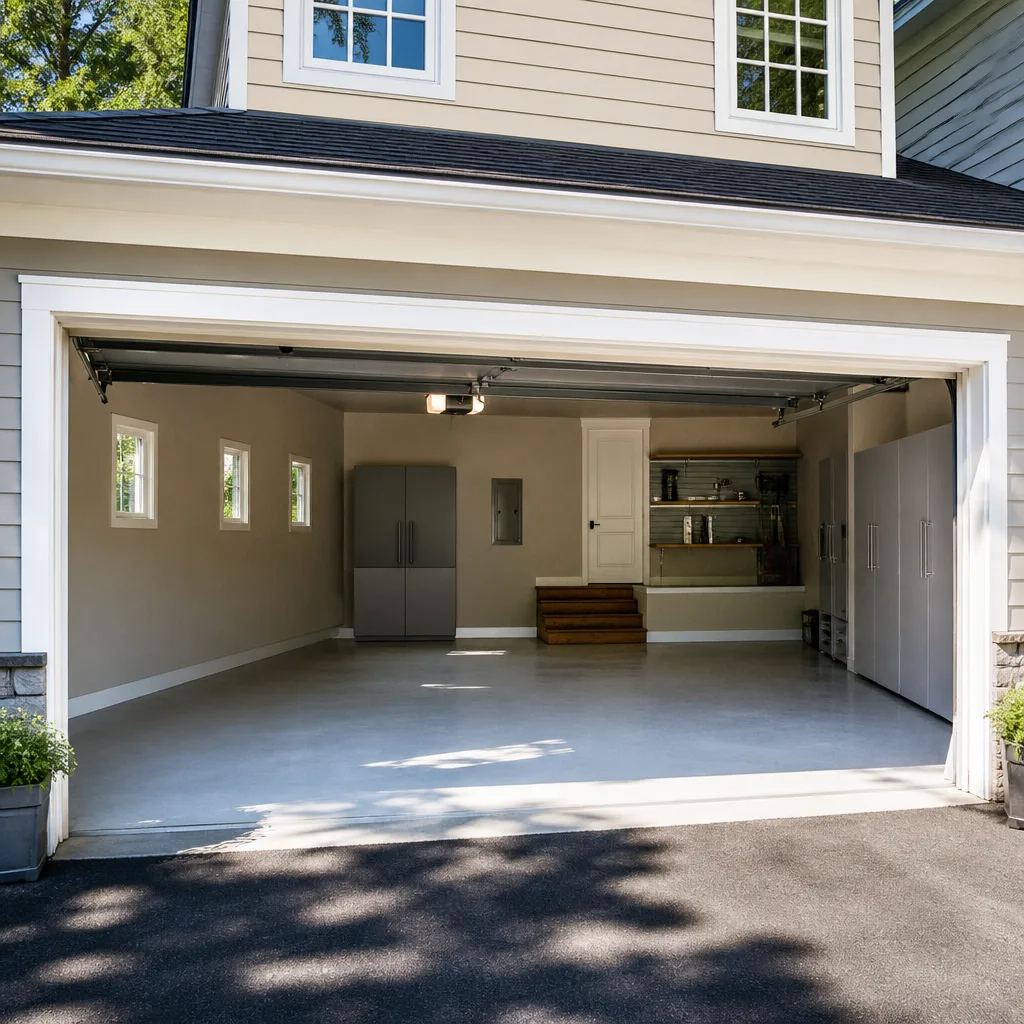 Chamberlain openers
Full 25-point door and opener safety check with every visit - springs, cables, rollers, tracks, and your LiftMaster or Chamberlain opener included
You get a price before we start. It does not change when the truck arrives.
Get your free estimateThe Complete Guide to Garage Door in Hollywood
Most garage door guides are written for a ranch house in Ohio. They cover the basics: springs, openers, maybe a section on weatherstripping. They skip the part where your coastal humidity in Hollywood is actively corroding your torsion spring right now, as you read this. Then they skip the part where your HOA requires a specific door design approved by an architectural committee three months before you can even schedule installation. And they definitely skip the part where Florida building code product approval numbers, not aesthetics, determine whether your new door survives the next hurricane. This guide is different. It treats Hollywood, Florida as the specific, coastal, regulation-layered property it actually is, and it walks you through everything from salt-corrosion failures to the eight most common door brands in Broward County, what breaks on each, and when you should call someone who diagnoses rather than guesses.
Quick Answer
A garage door in Hollywood, FL needs to withstand salt air, 80% average humidity, and wind code requirements that inland homes never face. The most common failures we see are corroded torsion springs (typically years 5 – 8 in coastal areas), rusted track hardware, and openers that fail from humidity-related circuit board corrosion. Whether you’re repairing, replacing, or upgrading, the door material, the product approval code, and the HOA paperwork all matter as much as the door brand itself.
Styles & brands we work with
Table of Contents
- Why Hollywood’s Climate Punishes Garage Doors Differently
- Door Materials That Survive Hollywood Humidity and UV
- HOA Approval and Florida Product Approval Numbers in Hollywood
- Eight Common Garage Door Brands in Hollywood and Their Failure Points
- Hurricane Season and Your Garage Door: What Actually Matters
- Repair vs. Replace: How to Decide Without Wasting Money
- A 4-Step Maintenance Routine for Coastal Garage Doors
- Common Mistakes to Avoid
- When to Call a Professional
- Frequently Asked Questions
Why Hollywood’s Climate Punishes Garage Doors Differently
Hollywood sits between Fort Lauderdale and Miami, roughly two miles from the Atlantic at its eastern edge. That proximity means your garage door hardware lives in a salt-laden, high-humidity environment every single day, not just during storms. The salt accelerates oxidation on bare steel parts. The humidity penetrates seals and condenses inside opener housings. The UV index, which runs high to extreme most of the year, fades and warps polymer components and seal strips.
Here’s what that looks like in practice:
- Torsion springs in a coastal Hollywood home typically last 5 – 8 years versus 10 – 12 years for the same spring in an inland Broward neighborhood like Cooper City or Weston. The failure is usually rust pitting on the coil surface, which creates a stress point, which eventually snaps the spring. We regularly replace springs in Hollywood that show heavy corrosion while still under their rated cycle count.
- Track and bracket hardware rusts at the fasteners first. Galvanized lag bolts get surface rust, but more importantly, the rust blooms expand and loosen the fastener-to-wood connection. A door that “suddenly” comes off track in Hollywood often had rusted bracket screws failing for months before the visible failure.
- Opener circuit boards fail differently here. Humidity causes condensation inside the plastic opener housing. Over time, corrosion builds on board contacts. Symptoms are intermittent: the opener works for a week, then doesn’t, then works again. Inland technicians see this rarely; we see it constantly in garage door opener repair in Hollywood calls.
- Cables and pulleys wear faster near the coast. The salt air thickens the lubricant on pulley bearings, which then traps grit, which then grinds the bearing. On doors facing east toward the ocean breeze, this wear pattern is noticeably worse.
The practical takeaway is simple: maintenance intervals that work for a house in Plantation don’t work for a house in Hollywood. You inspect more often, you lubricate with a dry lubricant rather than a wet grease (which attracts salt-grit paste), and you treat any visible rust on hardware as an early warning, not a cosmetic issue.
Door Materials That Survive Hollywood Humidity and UV
Choosing a door material in Hollywood is a different calculation than choosing one for a house in Ohio or even a house ten miles inland. You’re optimizing for three things simultaneously: corrosion resistance, UV stability, and wind-load performance. The material that wins on one metric often loses on another.
- Aluminum doors: The clear winner for coastal corrosion. Aluminum forms a self-protecting oxide layer that resists salt air far better than steel. The trade-off is dent resistance. A stray basketball or a runaway scooter leaves a visible dent. Aluminum frame doors with infill panels are common in Hollywood’s older homes and condos. We work on Amarr and Raynor aluminum models regularly, and they hold up structurally for 15 – 20 years when the hardware is maintained.
- Galvanized steel doors: The most common choice and the most vulnerable to coastal rust. Factory galvanization protects the panel surface, but cut edges, hinge mounts, and rivet points corrode. A steel door in Hollywood needs its bottom panel watch, because that panel sits nearest the salt-water table and road spray. Doors with an insulated steel sandwich construction resist wind better than aluminum and cost less than premium alternatives, which is why steel remains popular in Hollywood’s single-family neighborhoods.
- Fiberglass doors: Rare in Florida, and for good reason: fiberglass panels fade and chalk under intense UV, and they don’t offer the wind-load strength of steel or the corrosion resistance of aluminum. You’ll see them on some older Hollywood homes near the Intracoastal, but we rarely recommend them for new installations.
- Vinyl composite doors: Hold up reasonably well to salt and UV, and they never rust. The limitation is styling: vinyl doors tend toward basic panel designs, which won’t satisfy many Hollywood HOAs with detailed architectural requirements.
The bottom panel of any door is the canary in the coal mine. In Hollywood, we inspect the bottom stile and weatherseal on every service call we do, because that’s where salt and standing moisture do their work first. If the bottom panel is swelling, rusting through, or separating, the rest of the door is on borrowed time.
HOA Approval and Florida Product Approval Numbers in Hollywood
Hollywood has some of the strongest HOA density in Broward County, particularly in communities like Emerald Hills, Hollywood Lakes, and the gated enclaves west of I-95. If you live under an HOA, you’re not choosing a garage door on your own. You’re applying for a modification, and the process has two distinct layers that out-of-state guides never cover.
The HOA Architectural Process
- Check your HOA’s design standards document first. Most require a specific door style (carriage, raised-panel, flush), a limited color palette, and sometimes a specific manufacturer. Some Hollywood HOAs have pre-approved door lists, which simplifies everything.
- Submit a modification request with the exact door model, color, and finish. Include a photo of the proposed door and, if possible, a rendering on your home. Incomplete submissions come back denied, and each resubmission adds two to four weeks.
- Wait for the architectural committee’s review window. Most Hollywood HOAs review within 30 days, but some meet quarterly. This is the single most common reason installation timelines slip.
- Keep the approval letter. A future buyer’s inspection will ask for it. Lost approval letters create closing delays later.
Florida Product Approval Numbers
This is where Hollywood’s real specificity surfaces. Florida requires that certain exterior building products, including garage doors, carry a Florida Product Approval number issued by the Florida Department of Business and Professional Regulation or a Miami-Dade County Notice of Acceptance (NOA). The product approval verifies that the door assembly, when installed according to the manufacturer’s instructions, meets the wind-load requirements for Broward County’s wind zone.
For Hollywood homeowners, the practical implications are:
- Your door’s product approval must cover the wind speed rating for your zone. Most of Hollywood is in a higher wind zone than inland Broward because of coastal exposure. A door approved for Weston might not be approved for a house east of US-1.
- The door and the installation are linked. Product approval covers the complete assembly: door panels plus tracks plus attachment hardware. Mixing a door from one manufacturer with aftermarket tracks can invalidate the approval.
- When we install a door in Hollywood, we verify the Florida Product Approval or Miami-Dade NOA number and include it in the paperwork. If your HOA doesn’t ask for it, your homeowner’s insurer will.
The garage door installation in Hollywood process, done properly, resolves HOA and product approval requirements before the old door comes down.
Eight Common Garage Door Brands in Hollywood and Their Failure Points
Hollywood’s housing stock spans 1950s ranch homes, 1970s condo buildings, and newer luxury construction west of the Turnpike. That means a wide mix of door brands on the street, each with its own known failure patterns in a coastal environment. We service all eight of the most common brands, but let’s look at four that show up frequently in Hollywood neighborhoods and what we consistently see fail.
Wayne Dalton
Wayne Dalton doors, especially the 9100 and 9600 series, are everywhere in Hollywood, often installed during the 1990s and 2000s building boom. The known failure is the TorqueMaster spring system, an enclosed spring tube that’s dramatically different from a standard exposed torsion spring. The tube housing traps humid salt air, which means the spring inside corrodes invisibly. When it snaps, the homeowner hears a bang but sees no visible broken spring, because it’s inside the tube. Many homeowners think the door “just stopped working.” Diagnosis here requires opening the tube system, which is a job for a specialist who has seen enough TorqueMaster failures to recognize the pattern. If you have a Wayne Dalton door and the door suddenly feels heavy with no visible spring break, suspect the TorqueMaster.
Craftsman
Craftsman branded openers and doors, sold through Sears until 2019, remain common in Hollywood’s older residential areas. The Craftsman opener is the weak link: the circuit boards corrode faster than the motors wear out, especially in a garage that runs an ocean-facing vent or sees consistent humidity. The other common failure is the gear and sprocket assembly within the opener drive unit, which strips after enough cycles. A Craftsman door itself is typically a rebranded Chamberlain or Wayne Dalton panel, so the door failure follows that underlying manufacturer: rusted bottom panels and worn rollers. If you have a Craftsman opener that’s over ten years old and it’s chattering or grinding, the sprocket gear is failing, and it usually fails completely once the grinding starts.
Raynor
Raynor builds solid, mid-tier doors with better-than-average hardware. In Hollywood, the common failure is not the door panel but the hinge system on doors that have been through multiple hurricane seasons without re-torquing. The frame flexes during wind loading, the hinges loosen, and the loosened hinges accelerate fastener rust. A Raynor door that creaks during operation is typically warning you that the hinge hardware is working loose and corroding. Raynor’s opener line is smaller than its door line, and openers are more likely to be a third-party unit paired with the door.
LiftMaster
LiftMaster is the most common opener brand in Hollywood because of its distribution through professional installers rather than big-box retail. The openers themselves are robust, but the wall control and safety sensor wires in coastal garages corrode at the terminal connections. The symptom is a door that reverses for no reason or refuses to close: the safety sensor circuit has intermittent resistance from corroded wire terminals. The mechanical side is typically solid. Opener repair calls on LiftMaster units in Hollywood are often a simple terminal cleaning and recrimping, plus replacement of any sensor eyes degraded by salt film. It’s a good reminder that an opener has a diagnosis, not just a symptom.
Beyond these four, we regularly service Chamberlain, Genie, Clopay, and Amarr equipment across Hollywood. The point of the brand rundown isn’t to steer you toward any single manufacturer; it’s to show that each brand fails in predictable ways, and a technician who knows the failure patterns for Wayne Dalton TorqueMaster systems, Craftsman sprocket gears, Raynor hinges, and LiftMaster sensor circuits is going to diagnose your door faster and fix it more accurately than someone who treats every door as generic.
Hurricane Season and Your Garage Door: What Actually Matters
Hurricane season in Hollywood is not a weather advisory; it’s a building envelope reality. Your garage door is the largest opening in your home, and when it fails under wind load, the pressure differential can lift your roof. This isn’t a dramatic exaggeration; it’s the specific reason Florida building code requires garage doors to be wind-rated.
Here’s what Hollywood homeowners should know:
- Wind rating is a assembly property, not a panel property. The door, the tracks, the jamb brackets, and the fasteners all work together. You can’t bolt a wind-rated door onto a rotted wood jamb and expect the rating to hold. The installation is half the rating.
- Reinforcement struts matter. A door with horizontal struts across the back of the panels is significantly stronger under wind loading than an unstrutted door. If your current door predates current code or lacks struts, adding them is a lower-cost hardening measure while the door is still serviceable.
- Sectional doors outperform single-panel doors in storms. Most Hollywood homes already have sectional doors, but if you own an older one-piece tilt-up door on a pre-1980s home, replacing it with a sectional improves both storm performance and everyday reliability.
- Pre-storm inspection is genuinely useful. Before the August-September peak, check that the door opener’s release mechanism works (so you can operate the door manually if power fails), verify that the door balances properly when disconnected from the opener, and look for any visible track wear or bolt corrosion. If the door is heavy, the spring is going, and a broken spring during a storm week is the last thing you need.
If you’re replacing a door on a pre-2002 Hollywood home, the old door was likely installed under an earlier code with a lower wind-load requirement. The new door will need to meet current Broward County wind-load standards, which typically means a stronger door than the one coming off. That’s not an upsell; it’s the building department and your insurer requiring it.
Repair vs. Replace: How to Decide Without Wasting Money
The honest math on repair versus replacement in Hollywood is not just about the cost of the fix. It’s about how long the un-replaced parts will last in this environment. Here’s the framework we use when advising Hollywood homeowners:
- Repair if the failure is a single component with no cascading damage. A broken torsion spring on a healthy door is a repair. A worn opener sprocket gear on a LiftMaster that’s otherwise fine is a repair. You’re addressing one failure point and the rest of the system is sound.
- Replace if the bottom panel is corroded or swollen. On a sectional door, the bottom panel sits in the salt and moisture zone. Once it rusts through or the steel delaminates from the insulation, you’re buying a single replacement panel at a premium price and the upper panels are not far behind. This is the point where garage door installation in Hollywood becomes the better value over repeated panel replacements.
- Repair if the door is under 10 years old and the tracks are straight. A sub-decade old door in Hollywood has life left in it if the hardware hasn’t been neglected. Address the failed component and extend the door’s life with a proper maintenance pass.
- Replace if the door’s Florida Product Approval no longer covers your wind zone. This happens when a door was originally installed under a grandfather provision but the homeowner’s insurer has flagged it. Once the approval doesn’t cover the current wind-load requirement, the door is effectively uninsurable and repair money is wasted.
- Repair if the opener is the only problem. An opener failure almost never justifies replacing the door. These are separate systems. Bright Star does opener repair as a standalone specialty, so a dead opener is a opener diagnosis, not a reason to spend $3,000 on a door you don’t need.
The decision should live in a single question: is the rest of this door system worth preserving? If yes, repair aggressively and maintain afterward. If no, replace once, correctly, with the right wind rating and hardware for Hollywood’s conditions.
A 4-Step Maintenance Routine for Coastal Garage Doors
Maintenance in Hollywood isn’t optional if you want to stretch a door past a decade. The salt air and humidity compress the failure timeline, which means the prevention window is shorter and more valuable. Here’s the four-step routine we walk Hollywood homeowners through, which takes less than 30 minutes:
- Quarterly visual check of springs and hardware. Look at the torsion springs for rust pitting, the bottom panel for corrosion or swelling, the cables for fraying, and the track for any buildup of salt paste. You don’t need tools; a bright flashlight is enough.
- Twice-yearly lubrication. Use a dry lithium or PTFE-based lubricant on hinges, rollers, and the torsion spring. Never use WD-40 as a lubricant, and never use heavy grease. In Hollywood, wet lubricants collect salt-laden grit and turn into an abrasive paste.
- Monthly balance test during storm season. Disconnect the opener by pulling the red release handle, then lift the door manually. It should move smoothly and stay open at the halfway point without falling or rising. If it slams down or floats up, the spring tension is off and you’re using the opener motor to compensate, which will burn out the opener.
- Annual fastener tightening. With the door down, check the lag bolts on the jamb brackets and the track-to-wall attachments. Coastal rust blooms loosen fasteners gradually. A snug bolt on an annual basis prevents a door that falls off track later. This is a maintenance item on a door with tensioned components; if any bolt spins freely without resistance, you have a stripped anchoring point and should get it addressed before the door is used regularly.
This routine takes about 20 minutes each quarter. It will not prevent every failure, but it converts many emergency repairs into scheduled maintenance, and it extends the life of the most expensive components.
Common Mistakes to Avoid
- Using heavy grease on garage door hardware in a coastal climate. In Hollywood’s salt air, wet lubricants trap salt crystals and grinding grit, which accelerates wear on hinges and roller bearings. Use a dry PTFE or lithium spray instead.
- Ignoring HOA approval because “the old door was fine.” HOAs in Hollywood frequently enforce design standards retroactively when a door needs replacement. The old door may have been grandfathered; the new one won’t be. Submit the modification request before ordering the door.
- DIY-ing a torsion spring repair. The torsion spring holds dangerous tension, and the average DIY video skips the part where the winding bar slips. A broken spring on a Hollywood door is a call to a professional, not a weekend project.
- Mixing door and track brands. A Florida Product Approval covers the complete tested assembly. Bolting a new Raynor door to old Wayne Dalton tracks may save money today but invalidates the wind-rating approval and creates a liability with your insurer.
- Assuming the opener is dead when the sensor is dirty. In Hollywood’s salt air, photoelectric safety sensors and their wire terminals corrode and cause intermittent reversal and failure to close. The first check is the sensor cleanliness and wire connections, not a new opener.
- Replacing the whole door when the spring breaks. A broken spring is a single-component failure. Unless there’s additional panel or track damage, spring replacement is a $250 – $400 repair, not a $2,500 door replacement.
When to Call a Professional
Call a professional when the door is off track, because an off-track door can fall; when a spring is broken, because the tension involved is genuinely dangerous; when the door is stuck open and your home is exposed to the street; and when the problem is intermittent and you can’t reproduce it, because intermittent failures are diagnostic jobs, not guesswork. A specialist who has seen the failure pattern on your specific brand and model will save you the cost of replacing parts that were never the problem. Bright Star Garage Door Repair offers free estimates in Hollywood. Call (833) 589-8106 and we’ll tell you what’s actually wrong, what it costs to fix, and whether a repair or a replacement makes sense for your home.
Frequently Asked Questions
Spring replacement in Hollywood typically runs $250 – $400 depending on spring size and whether you have a standard torsion system or a Wayne Dalton TorqueMaster. Opener repairs run $120 – $300. Full door replacements typically run $1,800 – $4,500 depending on material, wind rating, and size. Every quote from Bright Star is agreed before any work starts so the final invoice matches the number you approved. Call (833) 589-8106 for an exact quote on your door.
Yes. We carry the most common torsion spring sizes, cables, rollers, hinges, and opener parts on our trucks specifically so that most Hollywood repair calls are same-day fixes. Spring and cable failures are our highest-volume calls, and we stock for them. Call (833) 589-8106 and we’ll tell you when we can get to your door.
No. Our quoting process means we quote you a fixed price before any work begins, and that number only changes if you approve additional work after we show you what we found. The price on the phone and the price on the invoice are consistent, and nothing is done without your sign-off first.
If you live in an HOA-governed community like Emerald Hills, Hollywood Lakes, or a gated development, the answer is almost certainly yes. Architectural review commonly takes 30 days or longer, and some committees require specific door styles and colors. We’ve installed doors under Hollywood HOA requirements many times, and we can help you pull together the product approval and model information your committee asks for before submission.
We stock standard torsion springs for the most common Hollywood door configurations, along with extension springs, cables, rollers, hinges, sensors, and common LiftMaster and Craftsman opener parts. If your exact spring size is unusual, we can usually source it same-day from a local supplier in Broward.
For homes east of US-1 or within a mile of the Intracoastal, aluminum frame doors resist salt corrosion better than painted steel. For homes further west in Hollywood, insulated steel doors with galvanized hardware and proper bottom seal maintenance perform well and provide stronger wind resistance. The right answer depends on your specific distance from salt water, your HOA requirements, and your wind zone. Call (833) 589-8106 and we’ll give you a straight recommendation based on your address.
The Bottom Line
Your garage door is not a generic appliance, and Hollywood is not a generic climate. The salt air, the humidity, the HOA layers, and the wind code all determine what works and what doesn’t, and a guide written for a house in Ohio will not tell you any of that. The right approach is to match the material to the environment, match the maintenance to the salt exposure, and match the technician to the specific failure pattern of your brand. Bright Star Garage Door Repair provides repair, opener repair, and full installation for the eight brands most commonly found in Hollywood homes, from a broken spring on a Wayne Dalton to a dead LiftMaster opener to a full new door that passes HOA review and wind code. Eight brands, one number to call: (833) 589-8106.
For more on specific services, see our garage door repair in Hollywood page, our garage door opener repair in Hollywood page, or our garage door installation in Hollywood page. You can always start at the Bright Star Garage Door Repair home page for an overview.
Written by the team at Bright Star Garage Door Repair, serving Hollywood since 2012.
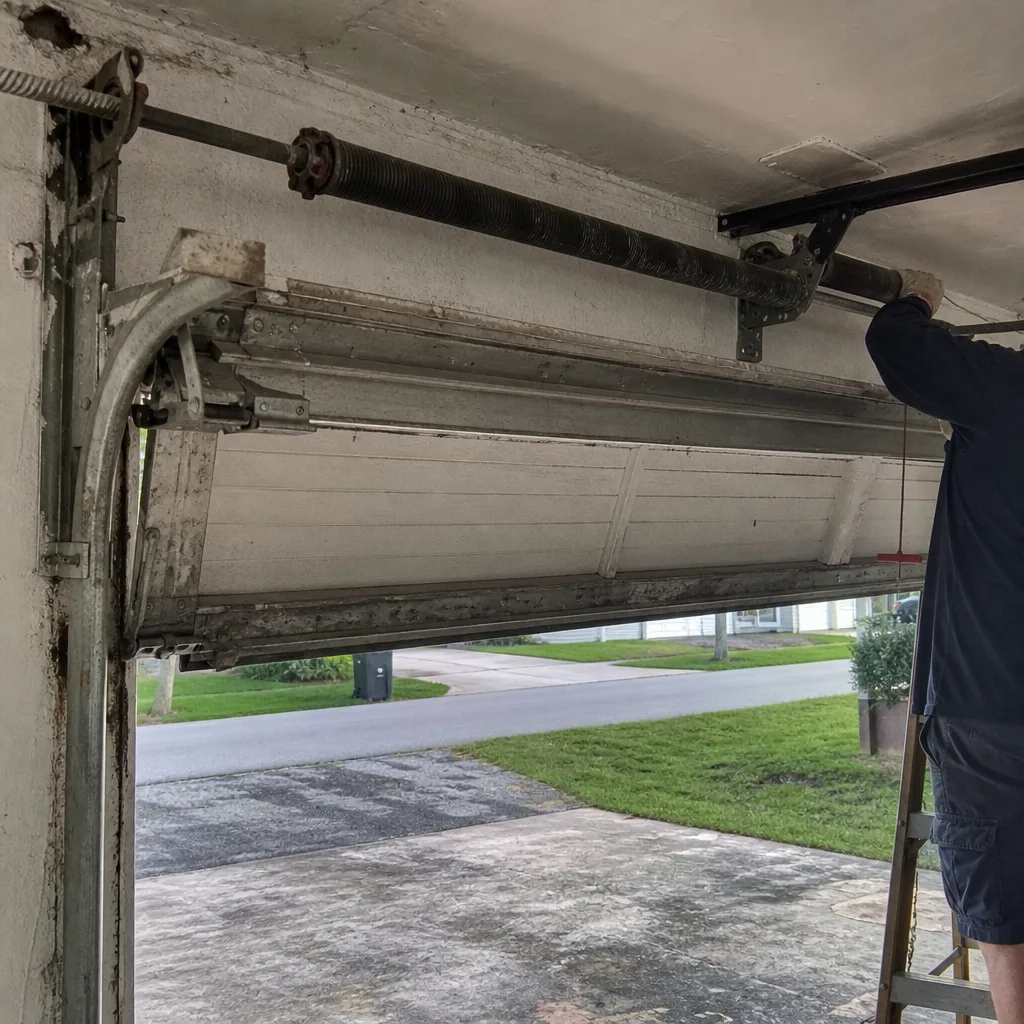
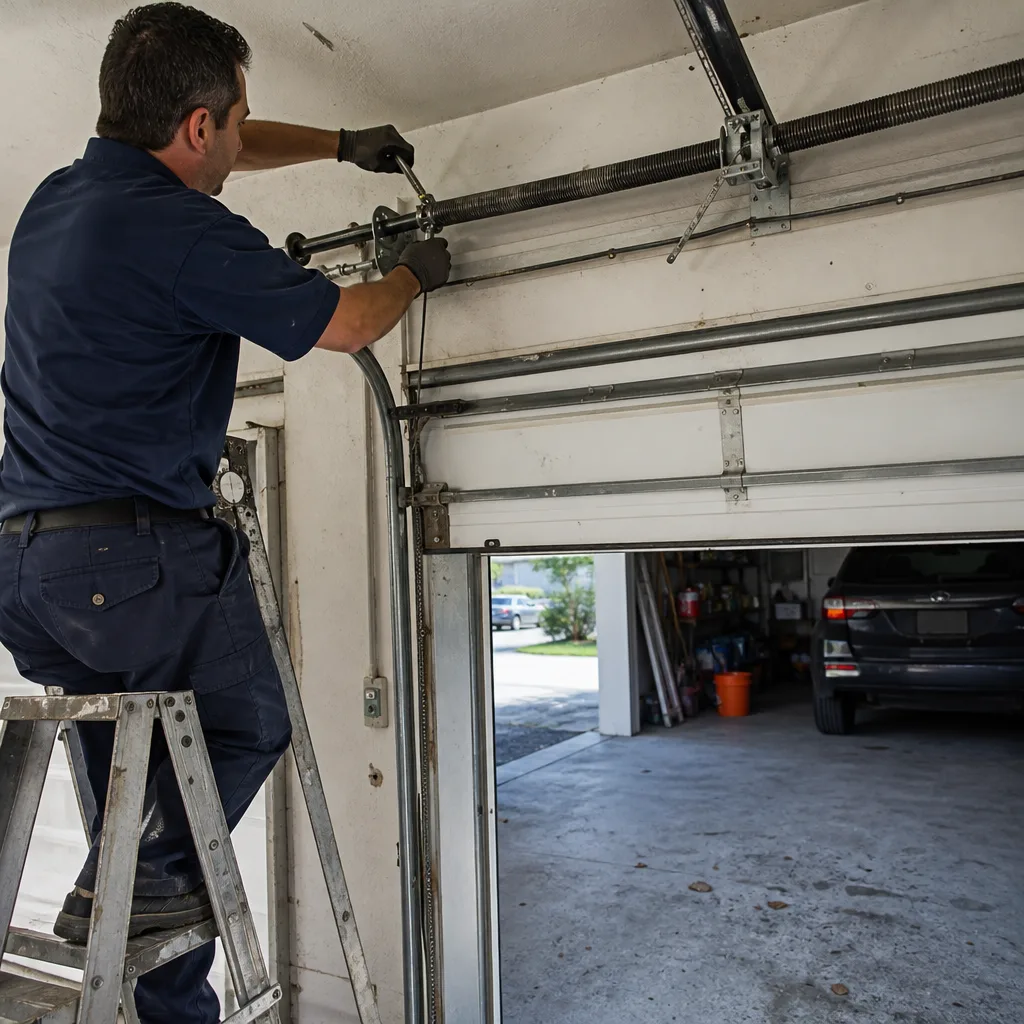
See the difference
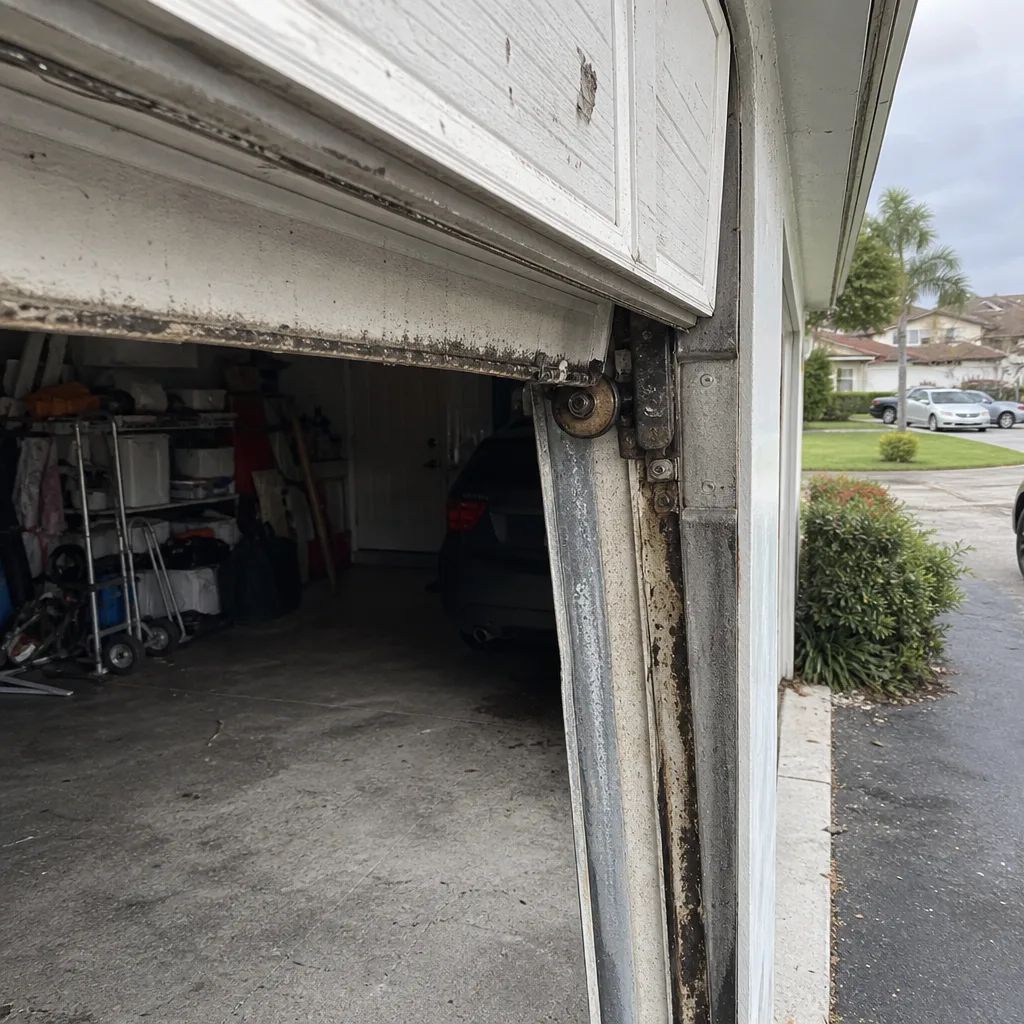 Before
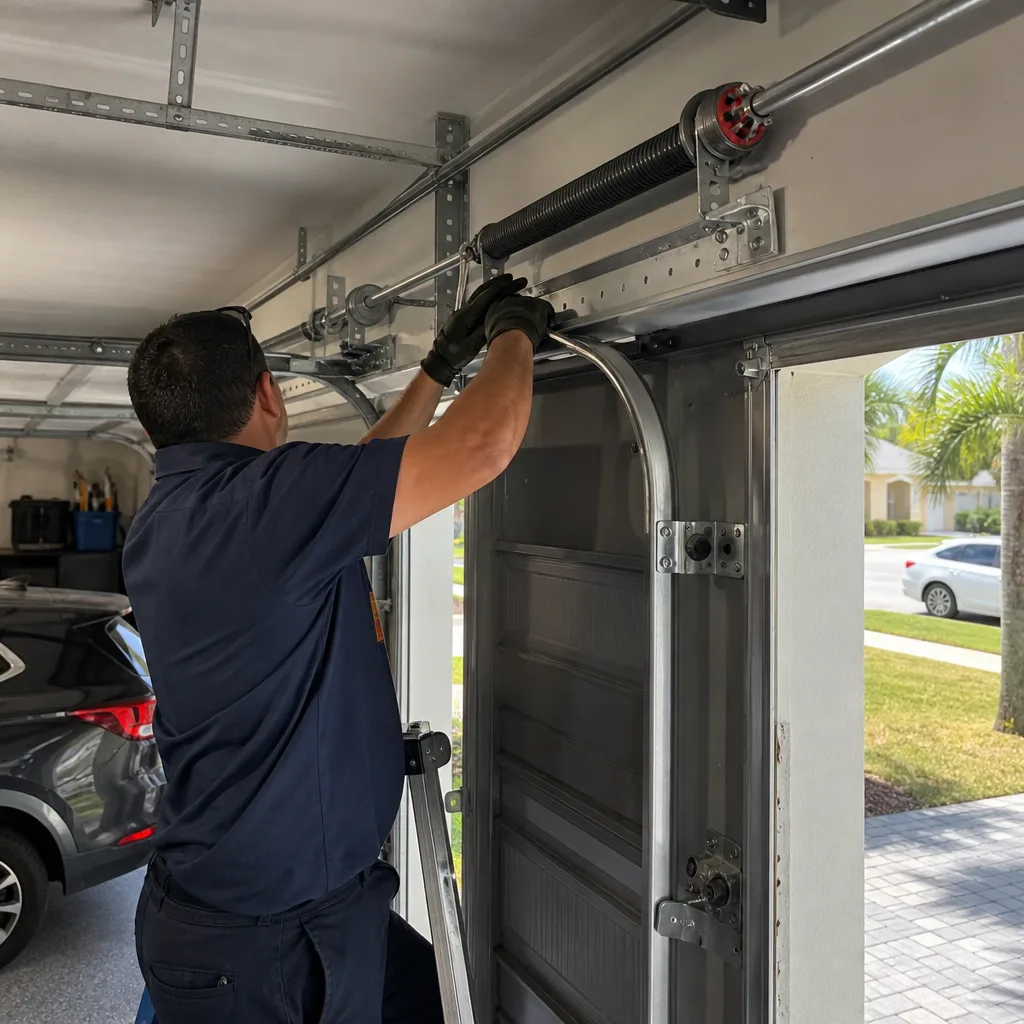 After
 Before
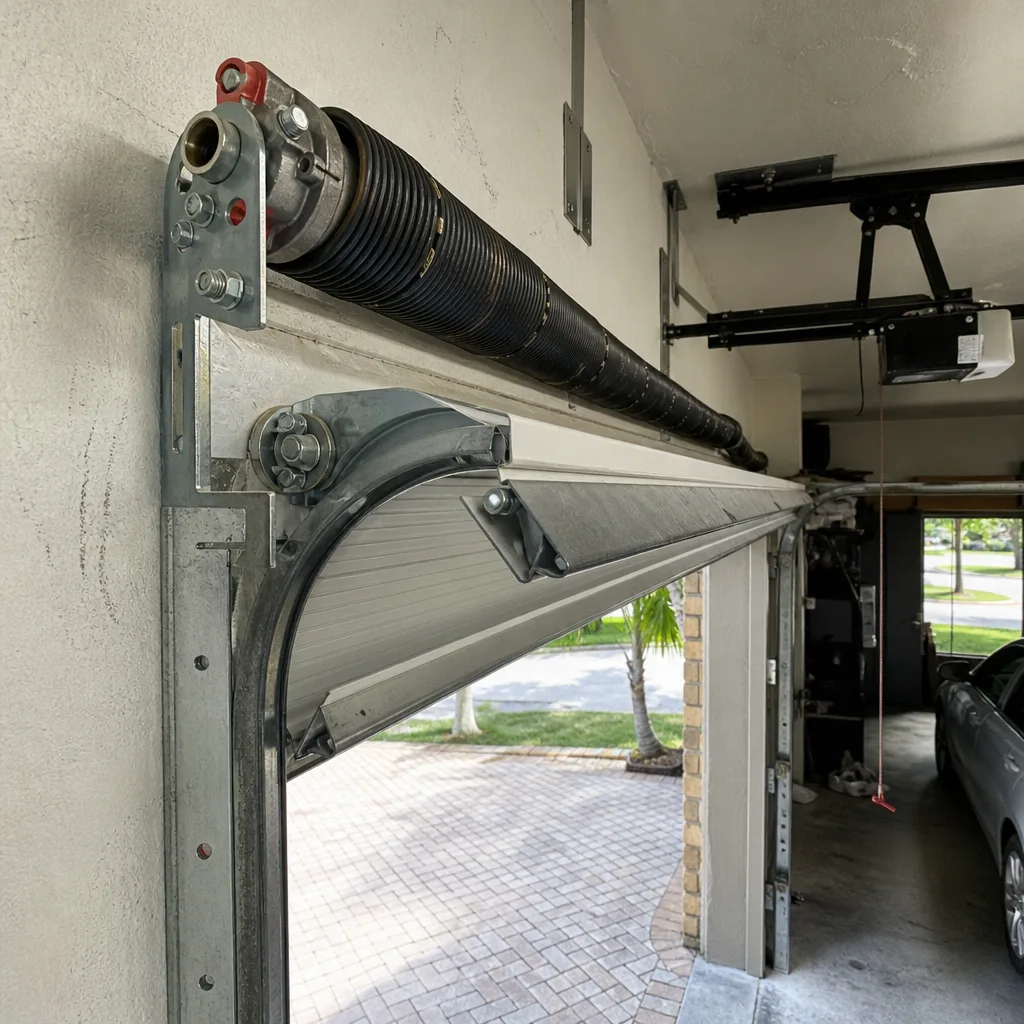 After
 Before
 After