
Last updated October 30, 2026
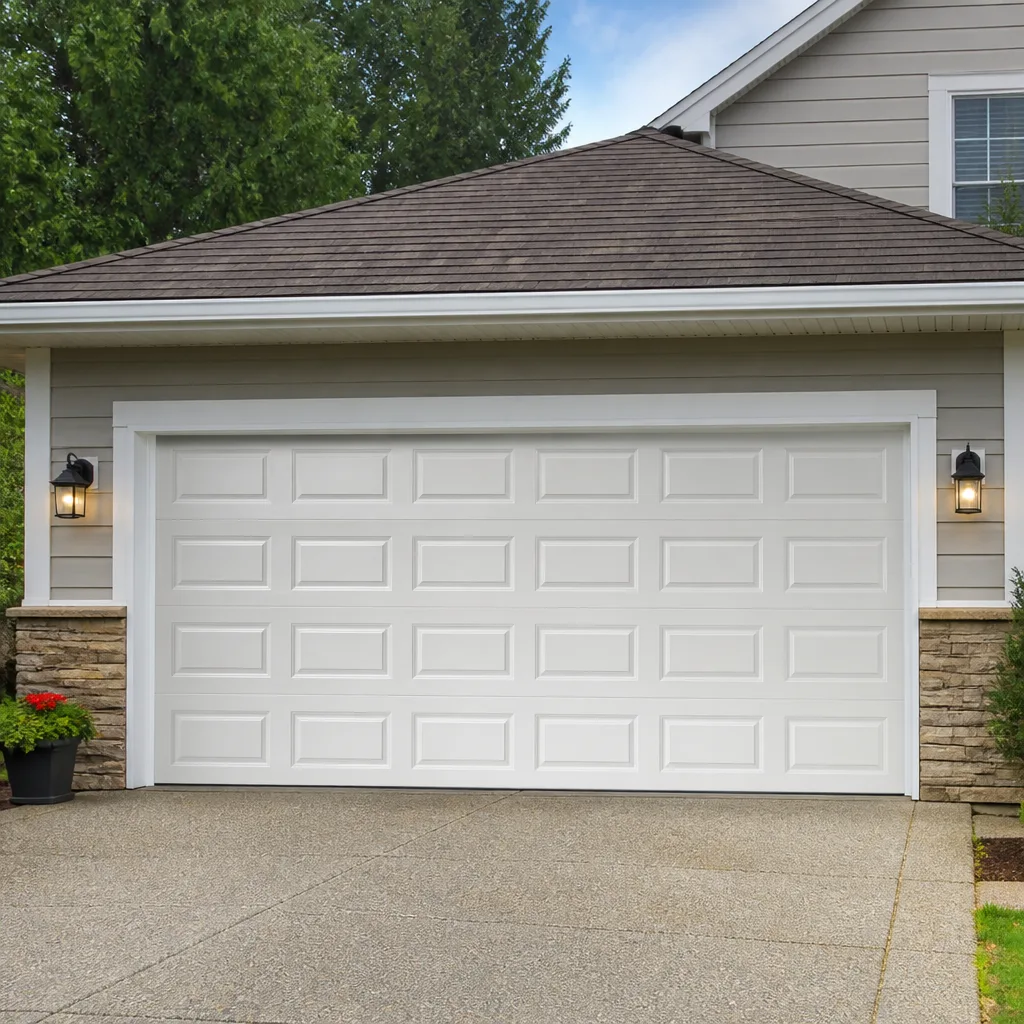 Raised-panel steel
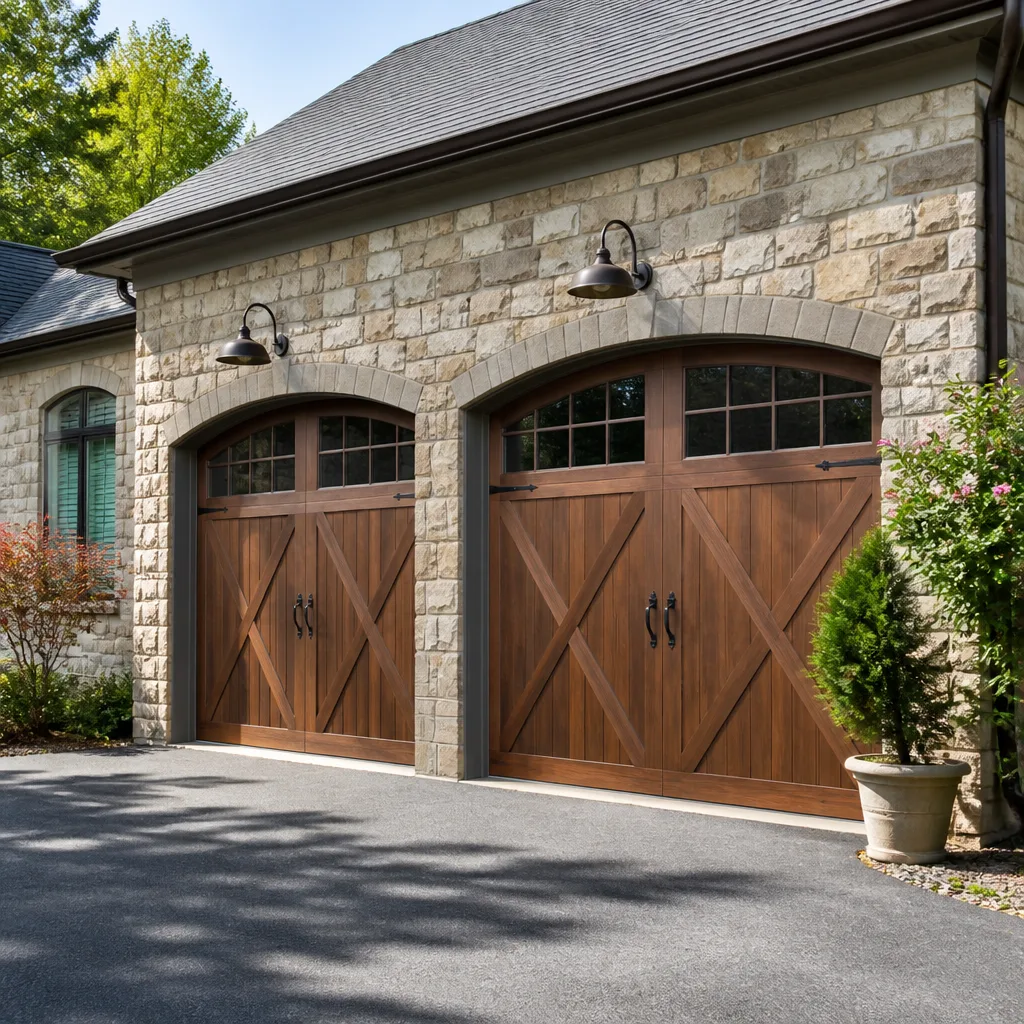 Carriage house
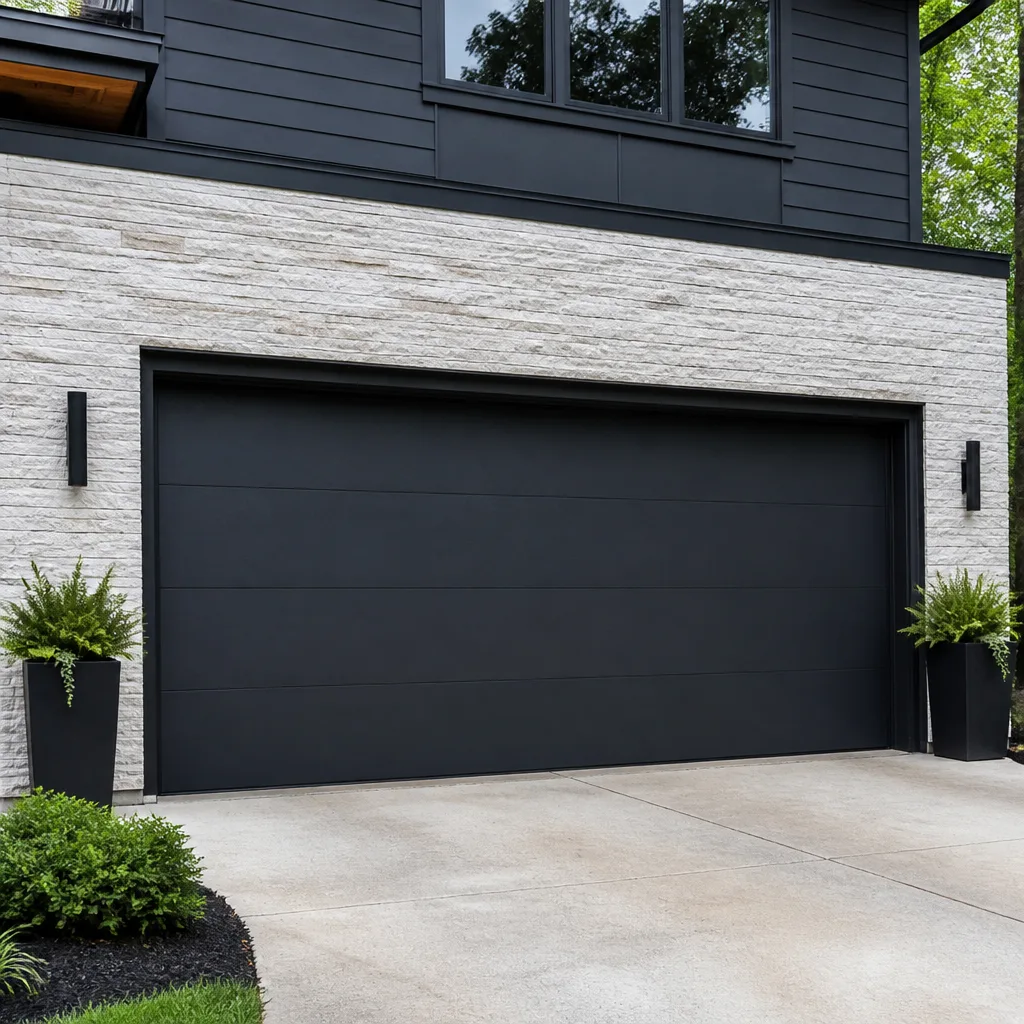 Modern flush
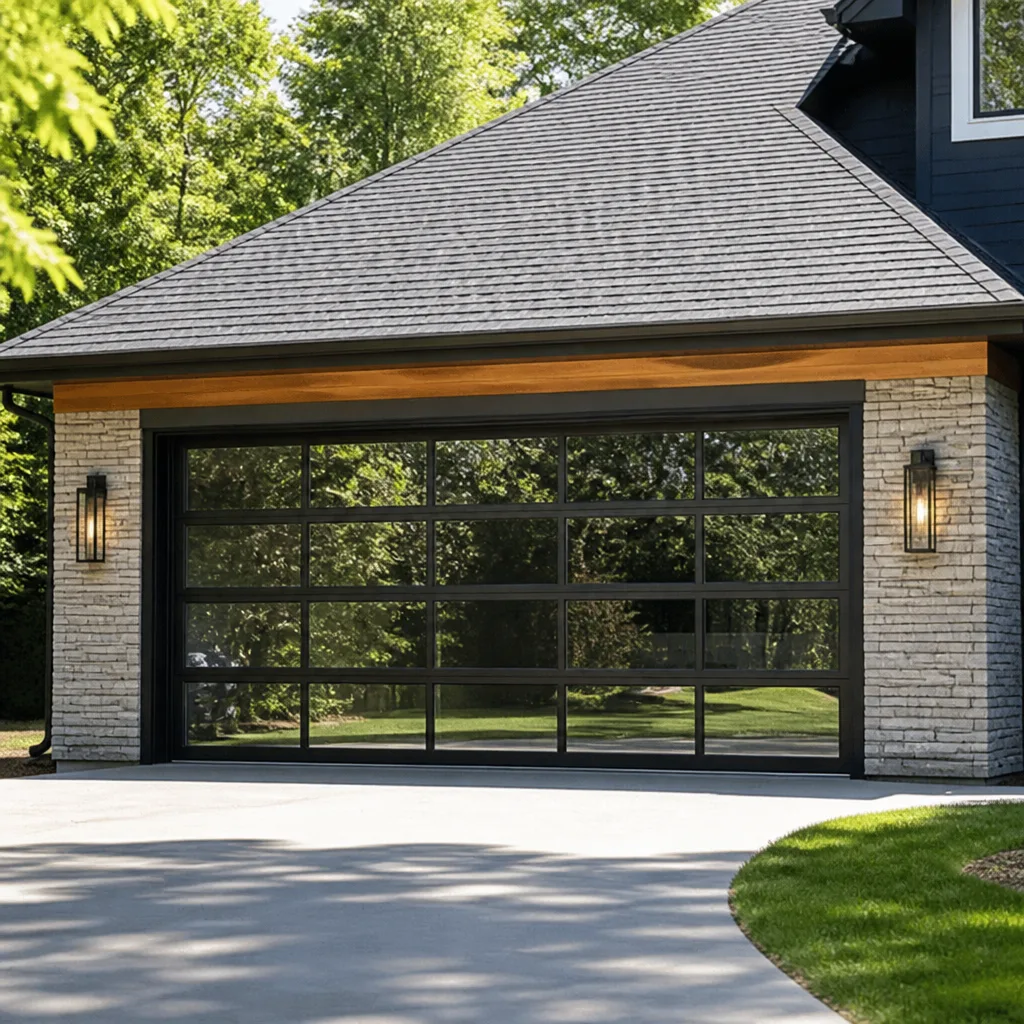 Full-view glass
 LiftMaster openers
 Chamberlain openers
Full 25-point door and opener safety check with every visit - springs, cables, rollers, tracks, and your LiftMaster or Chamberlain opener included
You get a price before we start. It does not change when the truck arrives.
Get your free estimateSeasonal Garage Door Care for Hollywood: Year-Round Homeowner’s Guide
Most people think garage door maintenance is a spring task. In Hollywood, that’s backwards. The best time to replace a garage door spring in Hollywood is November, after storm season ends, before the snowbird rental rush hits, and while cooler temperatures let a technician calibrate spring tension accurately. Almost nobody does it then, and every garage door specialist in the city sees the consequences by August. This guide maps every maintenance task to the actual cycles that matter here: the hurricane prep window, the storm recovery period, the dry season, and the humidity spike. By the end, you’ll know exactly what to check, when to check it, and what you can safely skip.
Styles & brands we work with
Quick Answer
Seasonal garage door care in Hollywood, FL means four distinct routines: May-June hurricane hardware checks, post-storm inspections after any named system, November-February spring and cable replacement during the dry season, and March-April rust treatment before humidity settles in. South- and west-facing doors need extra attention year-round because UV exposure breaks down weatherstripping, paint, and nylon rollers faster than on shaded doors. Most homeowners can handle lubrication and visual checks, but spring work, cable inspection under tension, and opener diagnostics need a trained technician.
Table of Contents
- Hollywood’s Real Seasons and What They Do to Your Door
- May-June: Pre-Hurricane Hardware Checks
- July-October: Post-Storm Inspection Protocol
- November-February: The Dry Season Replacement Window
- March-April: Humidity Ramp-Up and Rust Prevention
- UV Degradation Calendar for South- and West-Facing Doors
- Common Mistakes to Avoid
- When to Call a Professional
- Frequently Asked Questions
- The Bottom Line
Hollywood’s Real Seasons and What They Do to Your Door
Forget winter, spring, summer, fall. Hollywood runs on four different cycles, and each one stresses garage door components in a specific way. Understanding these cycles is the difference between a door that runs quiet for 15 years and one that snaps a spring at the worst possible moment.
The hurricane prep window runs from mid-May through June. This is when wind-load ratings actually get tested, and it’s when track brackets, hinge bolts, and bottom seals either hold or fail. Between July and October, we’re in storm recovery mode, where salt spray, wind-driven rain, and flying debris leave behind damage that isn’t always visible from the street. November through February is the dry season, and it’s the single best stretch for replacements and calibrations because temperatures stay consistent and humidity drops enough for metal parts to behave predictably. Then March and April bring the humidity spike, when dew points climb and every exposed fastener on your door starts the slow process of oxidation.
In our experience working on garage doors across Hollywood, from the older homes near Young Circle to newer construction in the western developments, the doors that get seasonal attention last noticeably longer than the ones that only get called in when something breaks. The pattern is consistent: a homeowner who spends 20 minutes twice a year on visual checks avoids the $300 emergency spring replacement that always seems to happen on a holiday weekend.
May-June: Pre-Hurricane Hardware Checks
A garage door is the largest opening in your home, and under hurricane-force wind, it becomes a pressure point that can compromise the entire roof structure if it fails. The difference between a door that holds and a door that blows in often comes down to hardware that costs a few dollars and takes minutes to inspect.
What to check before the season starts:
- Track brackets and mounting bolts: Every bracket that holds the vertical or horizontal track to the wall or ceiling should be tight. Wind pressure pushes against the door panels, and loose brackets transfer that force straight to the framing. We see more track separation issues in May than any other month because homeowners discover loose fasteners only when the wind finds them first.
- Hinge bolts and roller stems: Each panel hinge has bolts that work loose over time, especially on doors that open and close multiple times daily. A hinge with a missing bolt changes the door’s geometry slightly, and under wind load that small shift becomes a big problem.
- Bottom seal condition: The rubber or vinyl strip along the bottom of your door keeps wind-driven rain out and prevents pressure differences from forcing water under the door. Cracked or flattened seals should be replaced before June. In Hollywood, a bottom seal that’s been cooking in UV for three or four seasons will often be hard and brittle enough to snap during installation, which is why we treat this as an annual item.
- Panel alignment and struts: Walk the door and look down the line of panels. Any panel that sits proud or recessed from its neighbor indicates a hinge problem or a failing strut. Horizontal reinforcement struts, especially on double-wide doors, should be inspected for bending or rust-through where they bolt to the panel.
- Opener force settings: After a long stretch of seasonal temperature shifts, your opener’s force and travel limits may need small adjustments. A door that reverses mid-cycle or hesitates on the way down is telling you the settings drifted.
For homeowners in Hollywood’s older neighborhoods, pre-hurricane prep is particularly important because many of those homes have non-impact-rated doors that were installed before current wind-load codes went into effect. Those doors can still be reinforced with bracing kits and upgraded hardware, but the work needs to happen before a storm is in the forecast. Once the cone lands on South Florida, every reputable garage door company in the area is booked solid.
July-October: Post-Storm Inspection Protocol
After any named storm or major squall, your garage door may look fine from the street and still have damage that shortens its life or creates a safety hazard. Salt-laden rainfall in Hollywood accelerates corrosion, especially on the lower half of the door and any exposed metal near the ground.
Here’s the inspection order we recommend, from most to least critical:
- Tracks and rollers: Look for bends, dings, or debris caught in the track. Even a quarter-inch deflection can make the door bind, and a bound door puts excessive strain on the opener and springs. Run the door through a full cycle and listen for grinding or skipping sounds from the rollers.
- Panels for impact damage: Wind-borne debris, from palm fronds to roof tiles, leaves dents and punctures. Small dents are cosmetic. A puncture through a steel panel compromises the door’s structural integrity and should be evaluated. In Hollywood, where flying coconuts and decorative stone from landscaping are common wind debris, we see a lot of panel damage that homeowners don’t notice for weeks.
- Bottom seal for tears or displacement: Storm surge and heavy runoff can tear or unseat the bottom seal, leaving a gap that lets in leaves, pests, and moisture. Run your hand along the bottom of the door while it’s closed and check for gaps against the concrete.
- Springs and cables for rust blooms: After a storm, spray from saltwater and standing puddles creates surface rust on exposed springs and cable ends almost immediately. Surface rust on a spring is normal and usually cosmetic. Rust on a cable, especially where the cable wraps around the drum, is a replacement indicator because the cable is now weaker at that point.
- Opener electronics: Power surges during storm season are hard on garage door opener circuit boards. If your remotes or wall console behave intermittently after a storm, the logic board may have taken a surge hit. This is a common reason for opener repair calls in Hollywood every time a storm passes through.
One note from the field: if your door took a hard hit from wind during a storm but didn’t fail, have the springs checked anyway. Wind gusts can overextend springs when the door flexes against the tracks, and a spring that’s been stressed past its design limit will fail weeks or months later. The failure usually happens mid-cycle, which is when a spring under full tension is most dangerous.
November-February: The Dry Season Replacement Window
The dry season in Hollywood is the best time to do non-emergency maintenance on your garage door, and we’ve already told you the core insight: springs, cables, and opener calibrations all behave more predictably when the temperature is stable and the humidity is low. But there’s another reason November through February works better for homeowners: scheduling flexibility. The snowbird rental rush doesn’t peak until January and February, and most permanent residents aren’t dealing with storm prep or storm recovery during these months.
Why torsion springs calibrate better in dry season:
A torsion spring’s tension is set by winding it to a specific number of turns based on the door’s weight and height. That calculation assumes a stable temperature. When the temperature swings 20 degrees between morning and afternoon, as it does during Hollywood’s transitional months, the spring’s metal expands and contracts. A spring calibrated in the middle of that swing won’t be perfectly balanced at either end of the daily range. During the dry season, when lows stay in the 60s and highs in the 70s, the calibration holds accurately.
What to schedule in this window:
- Spring replacement: Standard torsion springs are rated for roughly 10,000 cycles. For a Hollywood homeowner who opens the garage twice a day, that’s about 13-14 years. If your door is 10 to 15 years old and still on original springs, schedule a replacement before the springs decide the schedule for you.
- Cable inspection and replacement: Cables are rated by diameter and strand count, and they fail from fatigue rather than sudden breakage most of the time. Frayed strands near the bottom bracket or the drum are the tell. Dry season is when you want to replace them, not after one snaps and the door slams unevenly onto the opener arm.
- Opener upgrades: If your opener is a chain-drive model from the early 2000s and you’ve been considering something quieter, like a belt-drive LiftMaster or Chamberlain, the dry season gives you time to research and schedule the swap without storm urgency. Modern openers also include battery backup and smart features that older units lack.
- Paint and panel touch-ups: Rust touch-ups on the bottom panel and any bare-metal touch-up painting will cure properly in dry-season humidity levels. Paint applied during the May-October stretch can take days to cure if humidity sits above 80 percent.
If your door is more than 15 years old and hasn’t had a full hardware replacement, the dry season is also the right time to have a professional evaluate whether repair is still cost-effective. A new garage door installation in Hollywood can include upgraded wind-load ratings, better insulation, and hardware that will last another 15 years. When you’re weighing repair versus replacement, we can walk you through what makes sense for your specific door and home.
March-April: Humidity Ramp-Up and Rust Prevention
Somewhere between late February and mid-March, the dew point in Hollywood crosses a threshold that changes how metal behaves. Humidity becomes a daily presence, and the thin film of moisture that settles on exposed metal every morning is what drives oxidation. This is the window where you want to apply rust protection before the humidity becomes unrelenting.
Which components rust first:
- Bottom panel edges: The bottom panel sits closest to the concrete slab, which wicks moisture upward. If the paint has any chips or wear-through, rust starts at the bottom edge and works upward. On a south-facing door, UV has already weakened the paint, making rust more likely.
- Hinge fasteners: The bolts and screws that hold hinges to the panel back are often coated or painted, but coating wear exposes the heads. In Hollywood’s humidity, we see hinge fastener rust on nearly every door over 8 years old.
- Cable wiring at the drum and bottom bracket: Cables have a galvanized coating, but the coating wears where the cable bends sharply around the drum. Once raw steel is exposed, humidity does the rest. A frayed cable in April is a cable we recommend replacing before storm season adds wind load to the mix.
- Track mounting hardware: Tracks themselves are usually galvanized and resist rust well. The fasteners that attach them, especially lag bolts into the garage frame, are not always coated as thoroughly.
What to apply and when:
For hinges and fasteners, a light coat of white lithium grease or a corrosion-inhibiting spray applied every March goes a long way. This is a homeowner task that takes under 15 minutes. Springs should get a light coat of garage door spring lubricant once the surface has been wiped clean. Avoid heavy greases on springs; they trap dirt and grit, which creates a different kind of wear. If you’d rather not handle any of this, our team can do a seasonal lubrication and rust treatment during a standard service visit, and we typically recommend it during our garage door repair in Hollywood calls as part of a complete maintenance pass.
UV Degradation Calendar for South- and West-Facing Doors
Hollywood’s sun doesn’t take the winter off. Even in January, clear days deliver direct UV exposure, and doors that face south or west get the worst of it. Here’s what degrades, roughly in order:
Weatherstripping: The vinyl and rubber strips around the top and sides of the door, along with the bottom seal, are typically the first casualties. UV hardens them, they lose flexibility, and they crack. A south-facing door may need perimeter weatherstripping replaced every 3 to 4 years, while a shaded north-facing door in the same neighborhood may go 6 or 7 years.
Paint and panel finish: Powder-coated steel panels eventually chalk and fade. The structural concern is less about color and more about when the coating wears through to bare metal, creating a rust entry point. This is more common on west-facing doors because afternoon sun hits them during the hottest part of the day, and heat accelerates coating breakdown.
Nylon rollers: Nylon bearings hold up to UV reasonably well, but sustained heat exposure makes the material brittle over time. A roller that shatters sends fragments into the track, and the door starts to shimmy. We replace rollers in Hollywood more frequently on western exposures than anywhere else.
Opener housing: Openers installed on the ceiling aren’t in direct sun, but units mounted closer to uninsulated walls in west-facing garages run hotter, and heat is an enemy of circuit boards and capacitors. If your garage gets blistering in the late afternoon, consider a belt-drive opener from Chamberlain or LiftMaster with a cooler-running motor and better thermal tolerance.
The practical take: If your door faces south or west, put it on a 6-month visual inspection cycle rather than annual. Check seals for cracking in March and again in September, and touch up any bare metal before the rainy season starts. For doors facing east, UV exposure is mostly a morning issue and far less destructive. Our Bright Star Garage Door Repair home page outlines the full range of seasonal service we provide, including the UV-related work that’s specific to Hollywood’s exposure patterns.
Common Mistakes to Avoid
- Skipping the post-storm inspection because the door still opens. Most storm damage doesn’t prevent operation. It creates progressive wear that turns into an emergency six months later. In Hollywood, the storm that weakens your bottom seal in August is the one that lets water in during the next summer’s afternoon downpours.
- Lubricating the wrong parts. Homeowners often spray WD-40 on the tracks, which is useless, or on the rollers, which attracts dirt. Lubricate the roller bearings, hinges, and springs with purpose-made garage door lubricants. Using brake cleaner or degreaser on moving parts removes the lubricant without replacing it.
- Ignoring a noisy door because “it’s always made that sound.” A squeak is metal-on-metal contact. A grind is a failing component. A pop is something breaking. Each sound has a source, and the source doesn’t fix itself. A door that gets gradually louder over months is telling you something specific about hinge wear, roller failure, or a dry spring.
- Waiting until a storm is forecast to address hurricane prep. By the time a named storm enters the Gulf, every hardware store and garage door company in Hollywood is overwhelmed. Prep work needs to happen in May and early June, when the calendar is clear and parts are in stock.
- Replacing springs with mismatched parts. A spring’s wire diameter, inside diameter, and length must match the door’s weight and height. Putting a spring rated for a lighter door on a heavier door shortens its life dramatically and creates a safety issue. This is not a part to source from a big-box shelf without knowing your door’s exact specifications.
- Ignoring opener error codes. Many modern LiftMaster and Chamberlain openers flash diagnostic codes through the wall console or main light. Those codes mean something specific, from sensor misalignment to force limit faults. Note the number of flashes and look it up before you call, or describe it to your technician so they can bring the right parts.
- Assuming an old door can’t be economically repaired. We’ve saved doors in Hollywood that other companies told homeowners to replace. Sometimes a panel can be straightened, a bracket re-anchored, or a roller upgraded. It’s worth getting a second opinion before authorizing a full new-door purchase, especially if the door is under 12 years old.
When to Call a Professional
There are tasks on this guide you can handle: visual inspections, lubrication, seal checks. And there are tasks you should not attempt without specific training and tools. Torsion spring replacement tops that list. The springs on your door hold enough energy to cause serious injury or death if mishandled, and the winding bars and procedures used for this work are not beginner-friendly. The same goes for cable replacement under tension and any work that requires removing or re-tensioning a drum.
Opener diagnostics are another area where professional equipment matters. A garage door opener repair in Hollywood often involves a circuit-board problem or a motor issue, not just a simple sensor alignment. If your door opens on the wall console but not the remote, or if it reverses for no apparent reason, you need someone who can diagnose the opener rather than just swap parts. Bright Star Garage Door Repair offers free estimates in Hollywood, call (833) 589-8106, and we’ll tell you what’s wrong and what it costs before any work starts, with the price agreed upfront and no surprise invoices.
Frequently Asked Questions
Twice a year is the right interval in Hollywood, once in March before humidity ramps up and once in October after storm season passes. Use a white lithium or silicone-based garage door lubricant on hinges, springs, and roller bearings. Avoid spraying the tracks, which causes buildup that makes the door run worse over time. If you’d prefer not to handle it, a service call can include lubrication as part of a broader inspection—see The Complete Garage Door Repair Guide for Hollywood Homeowners for more on what’s covered.
Most seasonal maintenance visits in Hollywood run between $90 and $180, depending on what’s included. Lubrication and a visual inspection sit at the lower end. Adding rust treatment, seal replacement, or minor hardware tightening moves toward the higher end. Spring replacement is separate and typically lands between $180 and $340 per spring depending on door size and cycle rating. Call (833) 589-8106 for an exact quote on your specific door, estimates are free and you’ll have a fixed number before the work begins.
Yes, for the inspection and hardware-tightening items. A wrench and a visual walk-through will catch most loose brackets and worn seals. What you shouldn’t attempt is anything involving springs, cables under tension, or opener logic diagnostics. Those components can hurt you if mishandled, and a professional can do the work faster and with the right replacement parts on hand. If you want a second set of eyes before hurricane season in Hollywood, give us a call and we’ll schedule a prep inspection, or read The Complete Guide to Garage Door in Hollywood to prep yourself first.
Spring failure, without question, and it doesn’t follow a neat schedule. In Hollywood, we see a spike in spring failures during the first cool snap of November, when temperature changes stress metal that’s already near the end of its cycle life, and again in June when the first heat wave pushes the door through daily expansion and contraction. If your door is heavy to lift manually or starts jerking during operation, the springs are likely nearing failure. Call us for a same-week replacement before it snaps mid-cycle—a broken spring is more expensive and more dangerous than a planned replacement, as explained in Choosing the Right Garage Door Brand: A Buyer’s Guide for Hollywood.
Yes. A south-facing door in Hollywood takes direct sun from late morning through evening, and UV accelerates the breakdown of weatherstripping, paint coatings, and nylon rollers. Plan on replacing perimeter seals every 3 to 4 years instead of every 6 to 7, and check the bottom seal every March for cracking. A west-facing door gets a similar UV dose during the hottest afternoon hours, so treat it the same way.
In most cases, yes. We carry the common diagnostic parts for LiftMaster, Chamberlain, and Genie models on the truck, along with the components for Craftsman and Raynor doors that are still in service. If you call before noon and the problem is a bad capacitor, sensor, or logic board, we can usually have your opener running the same day. Call (833) 589-8106 and we’ll let you know what to expect.
The Bottom Line
Hollywood doesn’t have a maintenance season, it has four, and each one punishes a different component of your garage door. Pre-hurricane prep saves you from wind damage. Post-storm inspection catches the stuff that breaks later. The dry season is your best replacement window. The humidity ramp-up is your rust-prevention deadline. If you do nothing else, schedule a full seasonal inspection twice a year and keep up with lubrication and seal checks. For everything beyond that, we’re here. Bright Star Garage Door Repair services LiftMaster, Chamberlain, Genie, Clopay, Amarr, Wayne Dalton, Craftsman, and Raynor systems, and one call to (833) 589-8106 covers repair, opener repair, or a full replacement if it comes to that. You’ll get a free estimate upfront, and the price we quote is the price you pay.
Written by the team at Bright Star Garage Door Repair, serving Hollywood since 2012. Explore more guides & resources on our blog.
See the difference
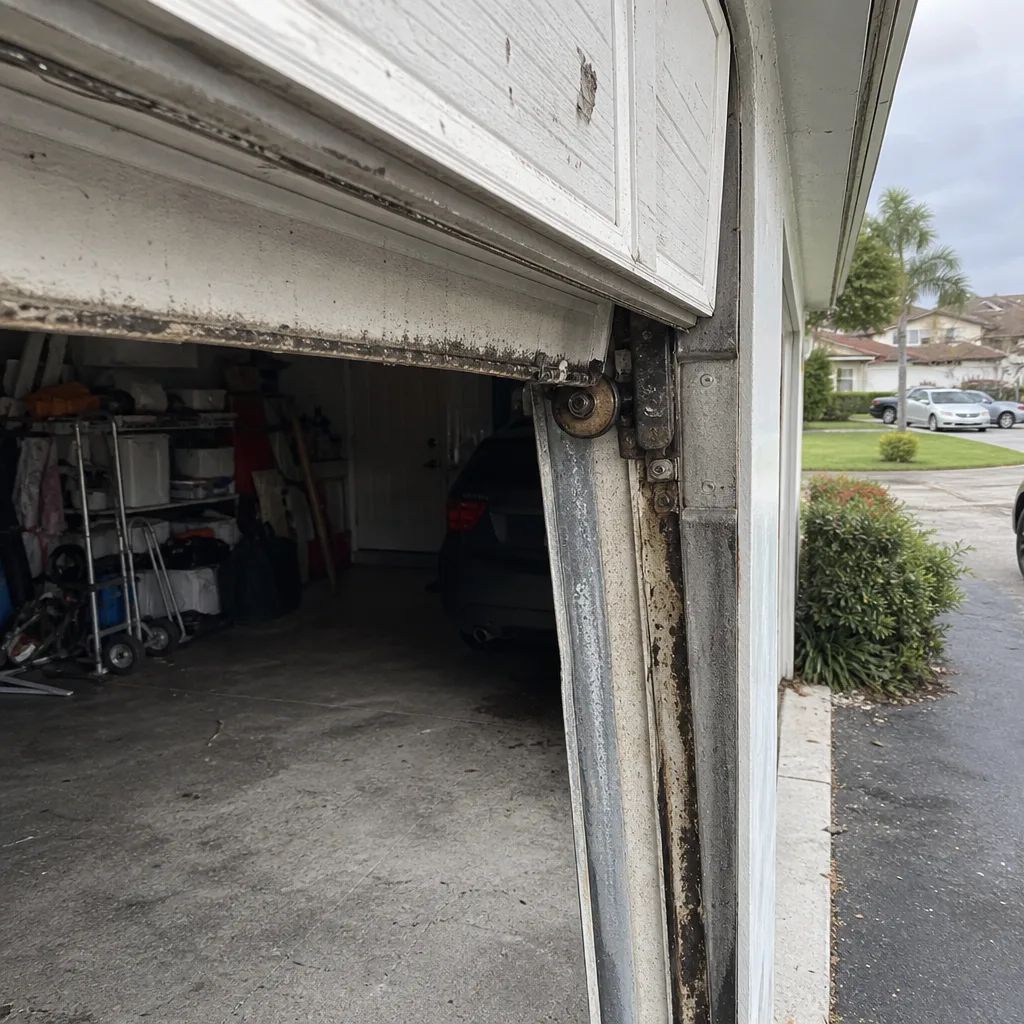 Before
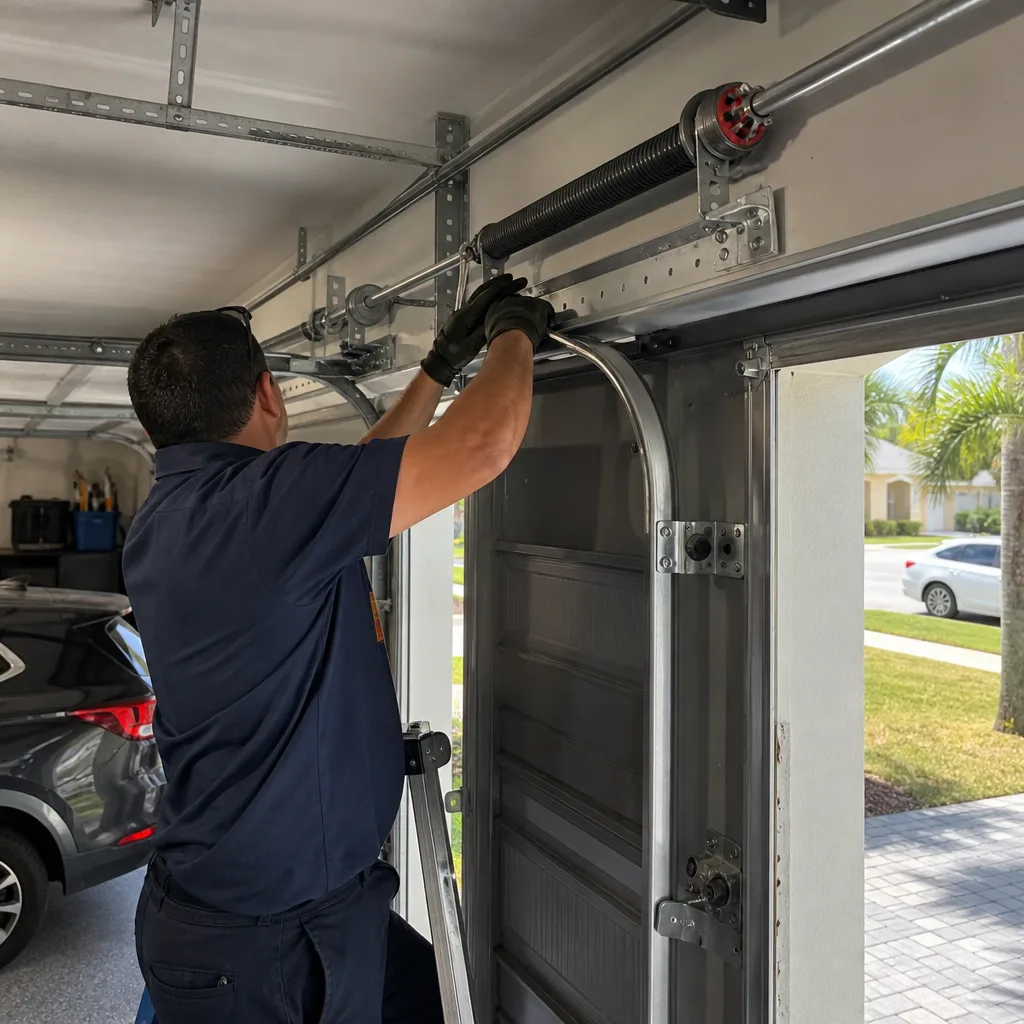 After
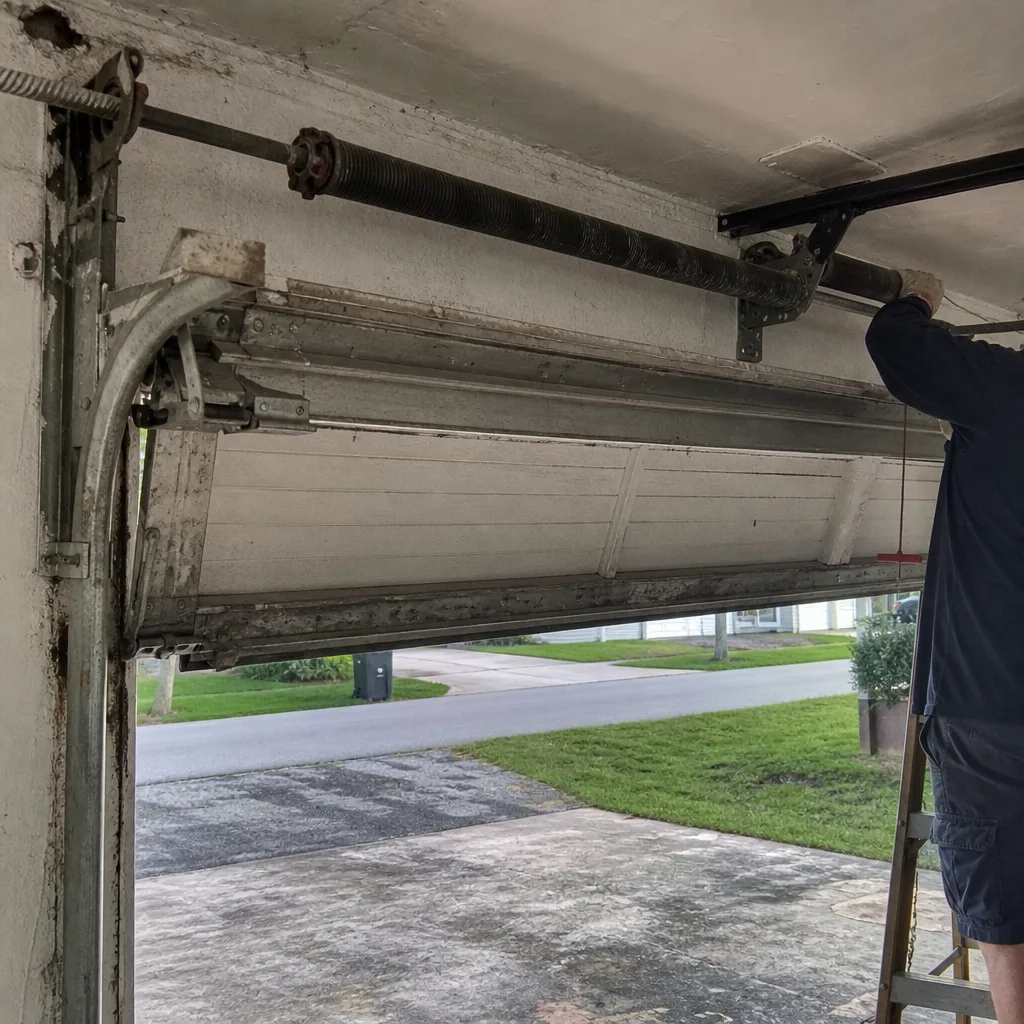 Before
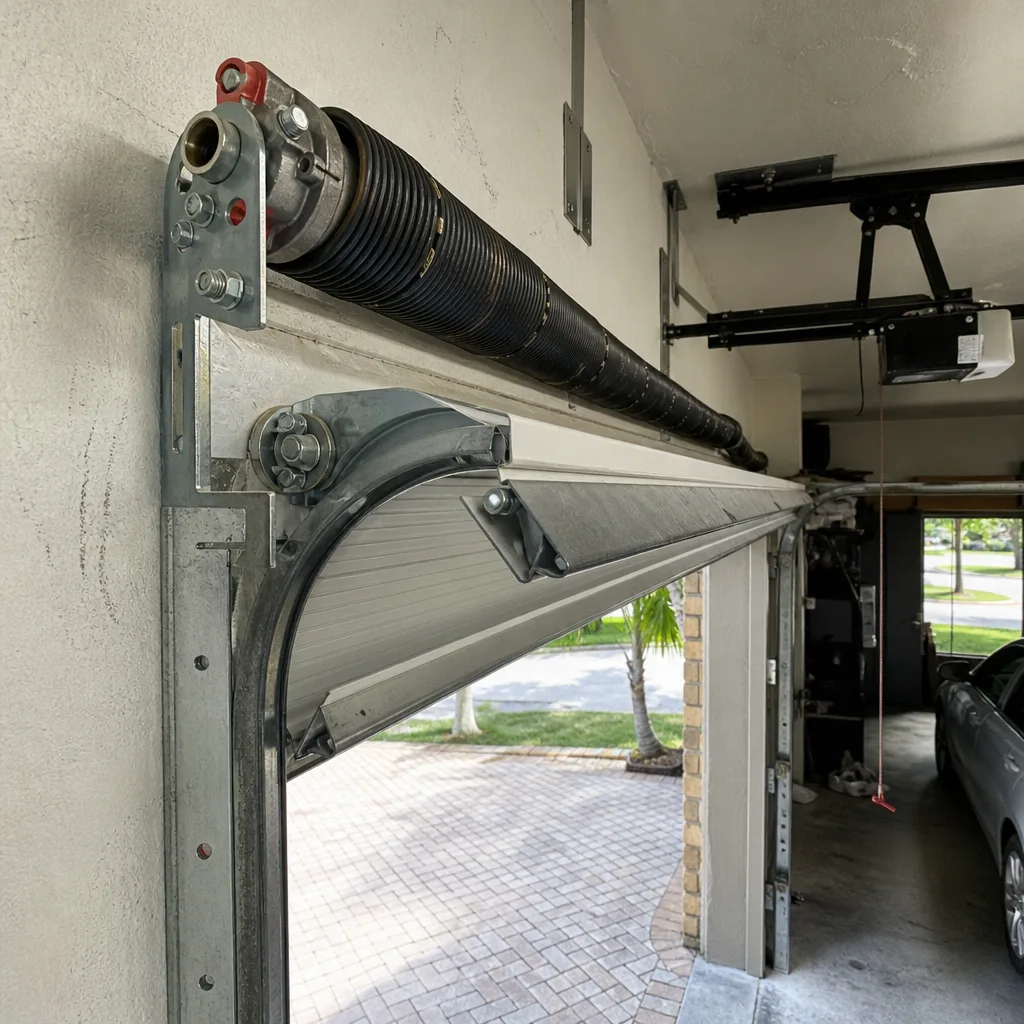 After
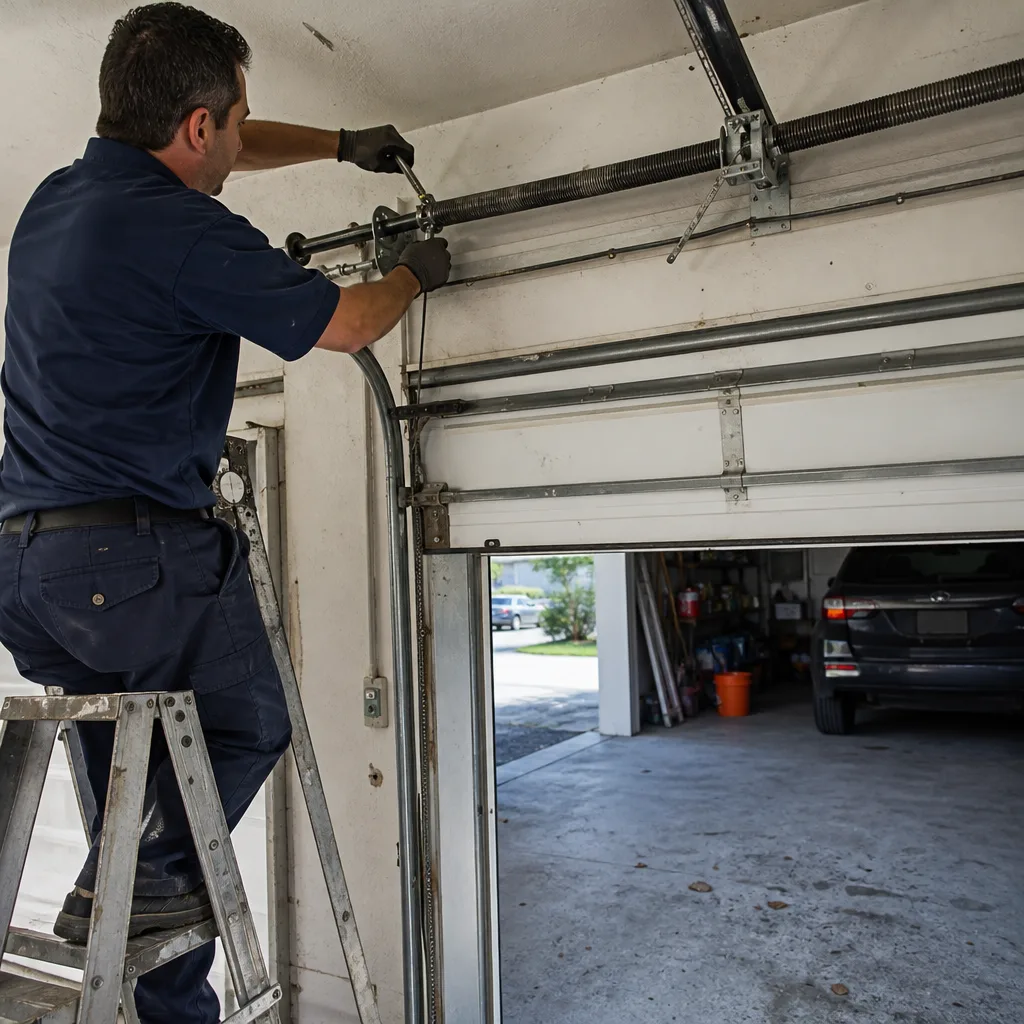 Before
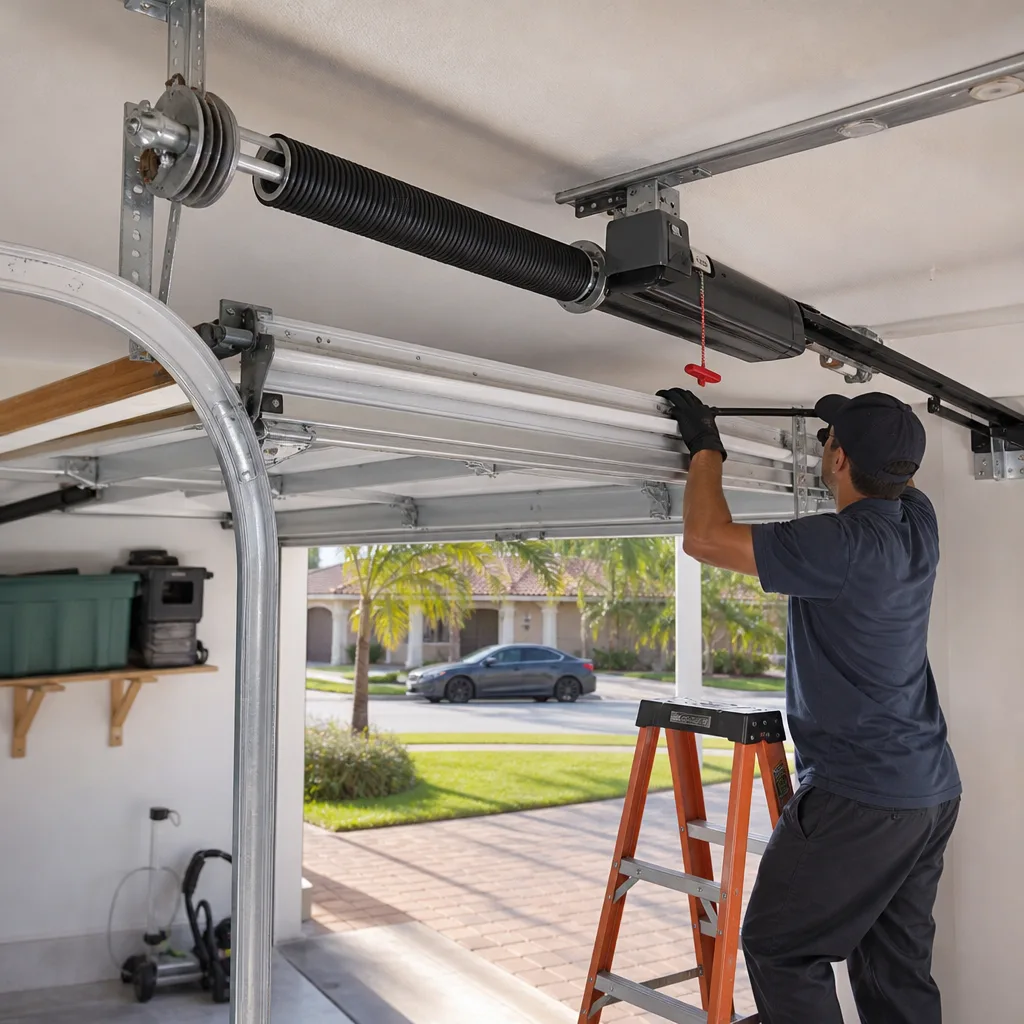 After