Last updated October 30, 2026
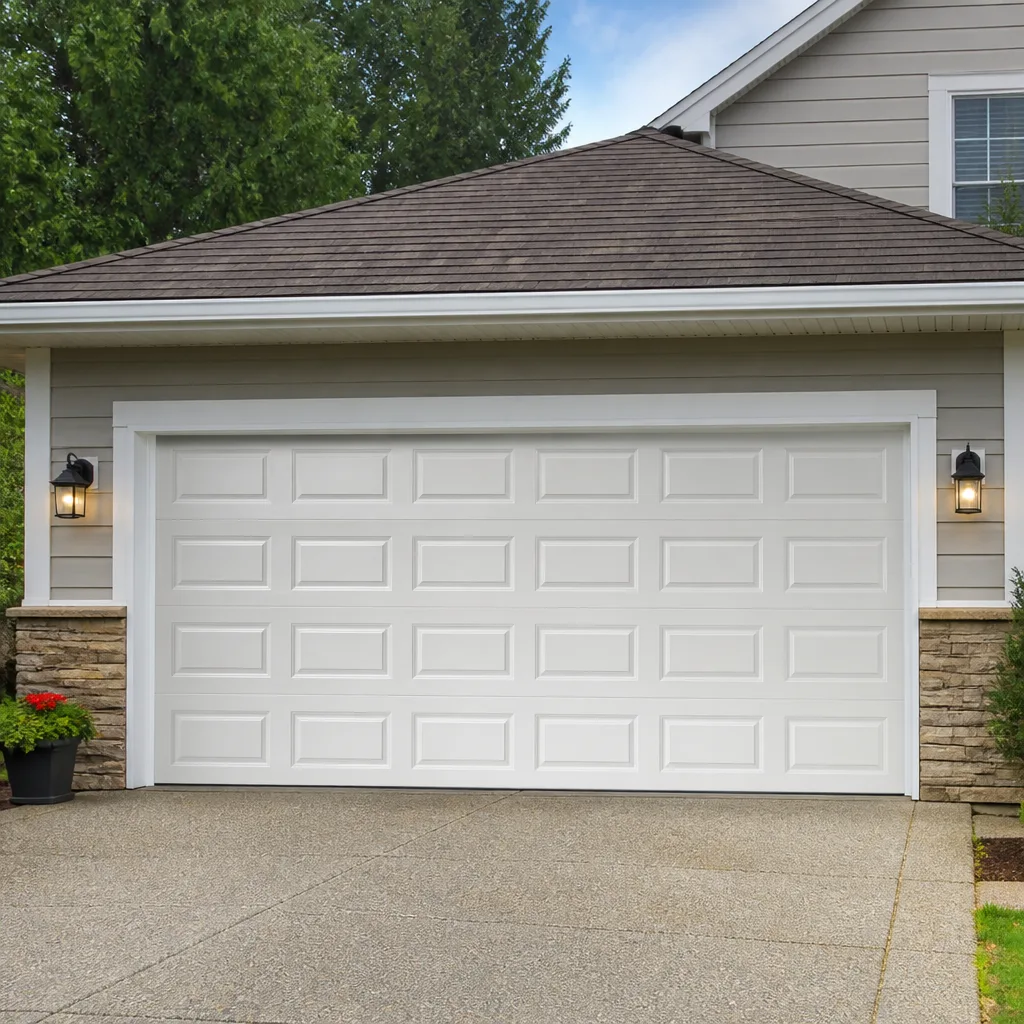 Raised-panel steel
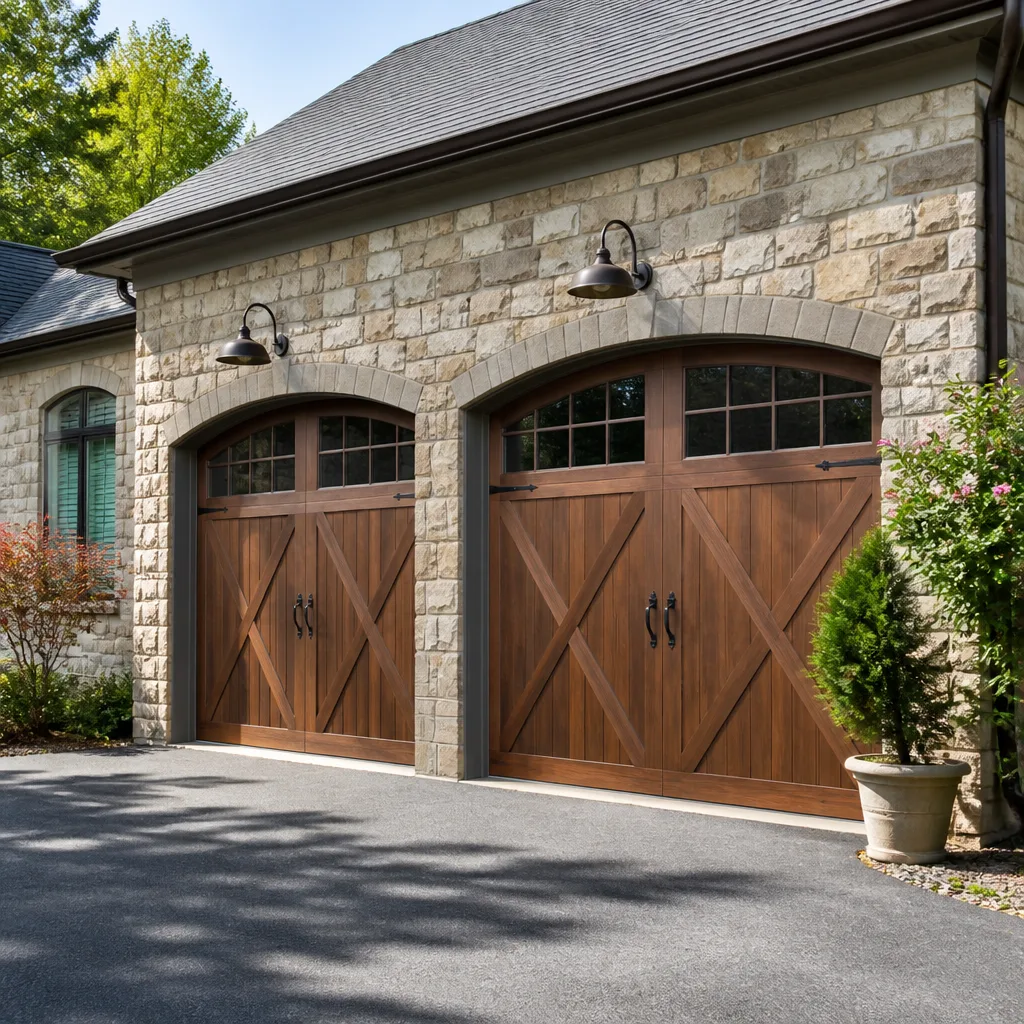 Carriage house
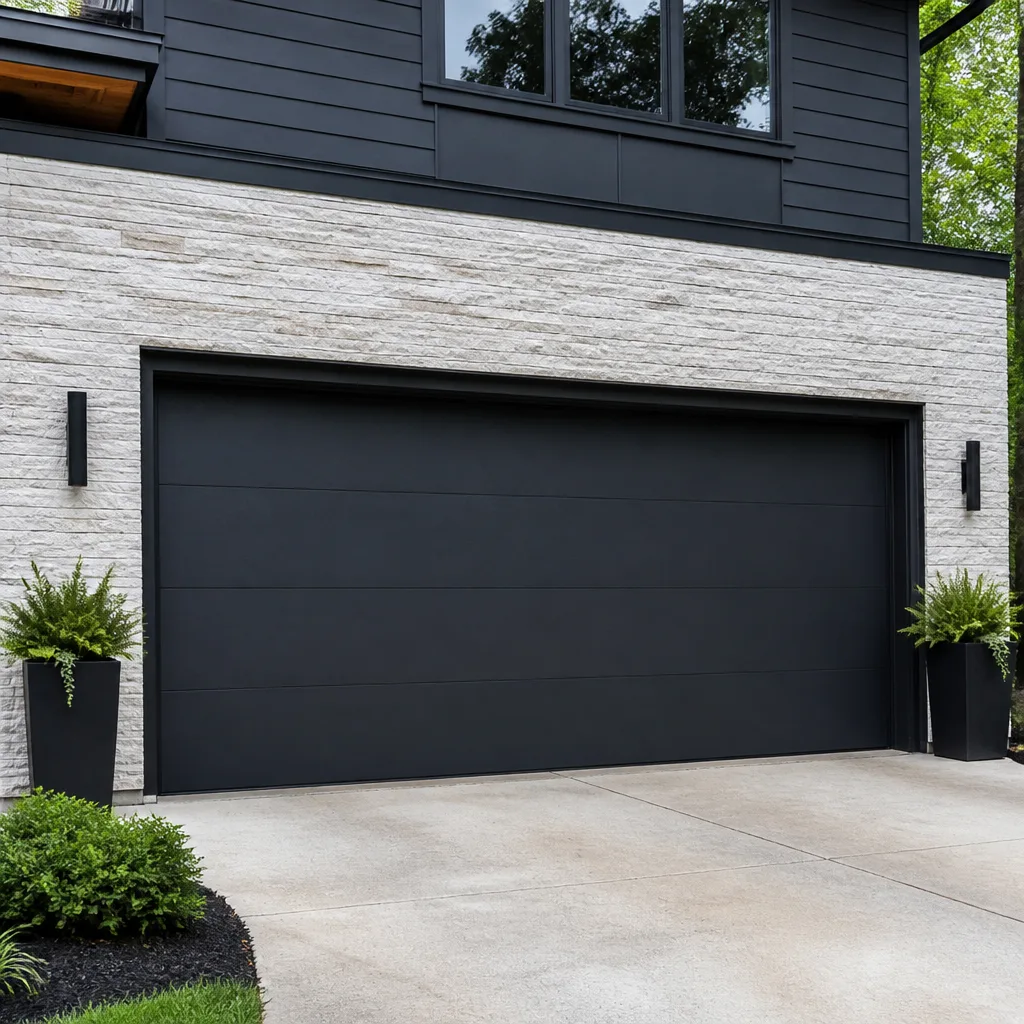 Modern flush
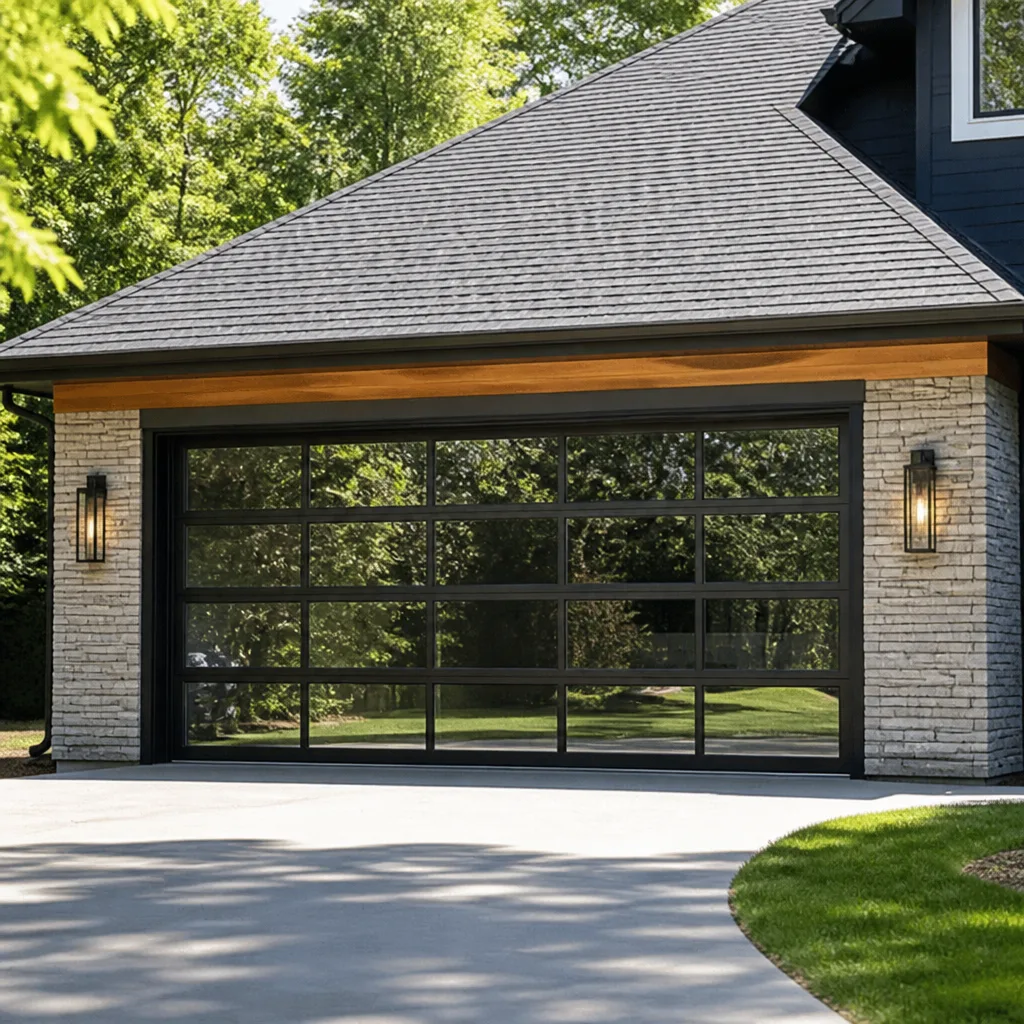 Full-view glass
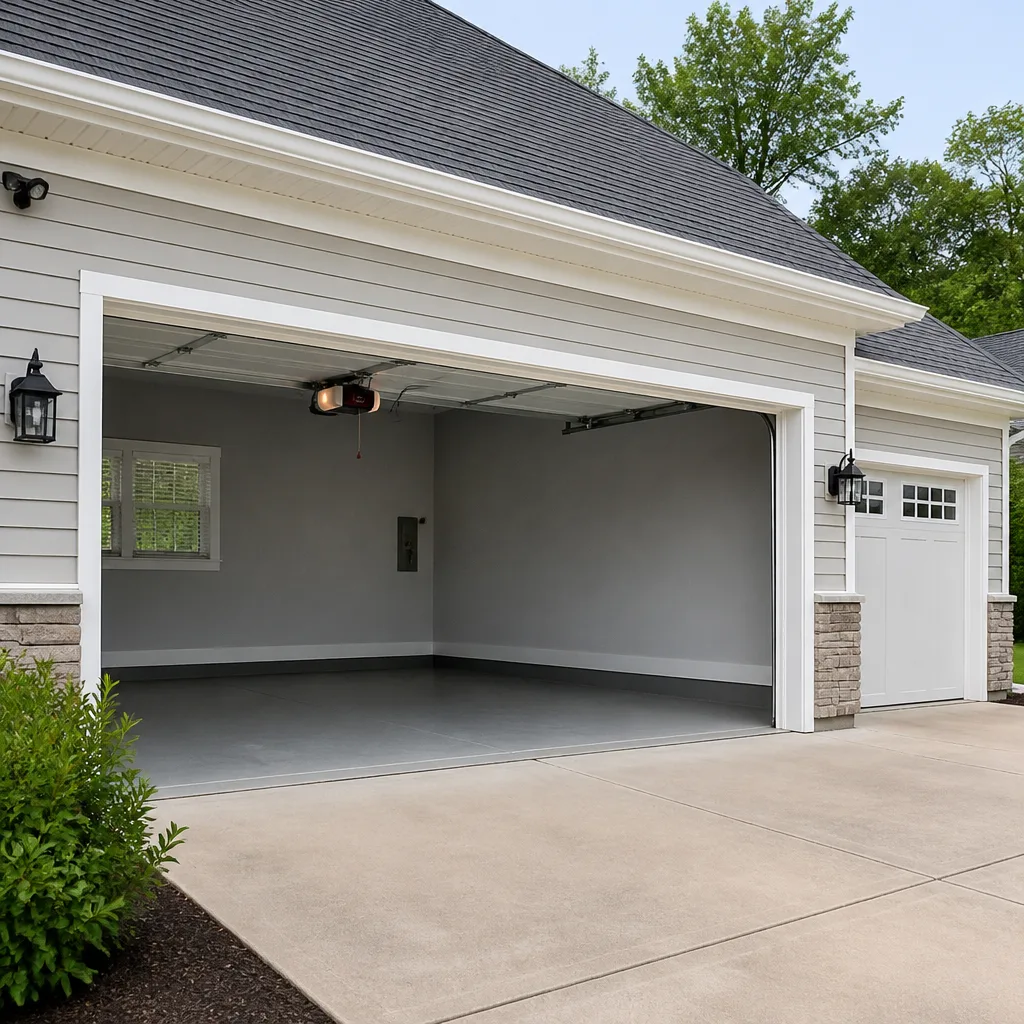 LiftMaster openers
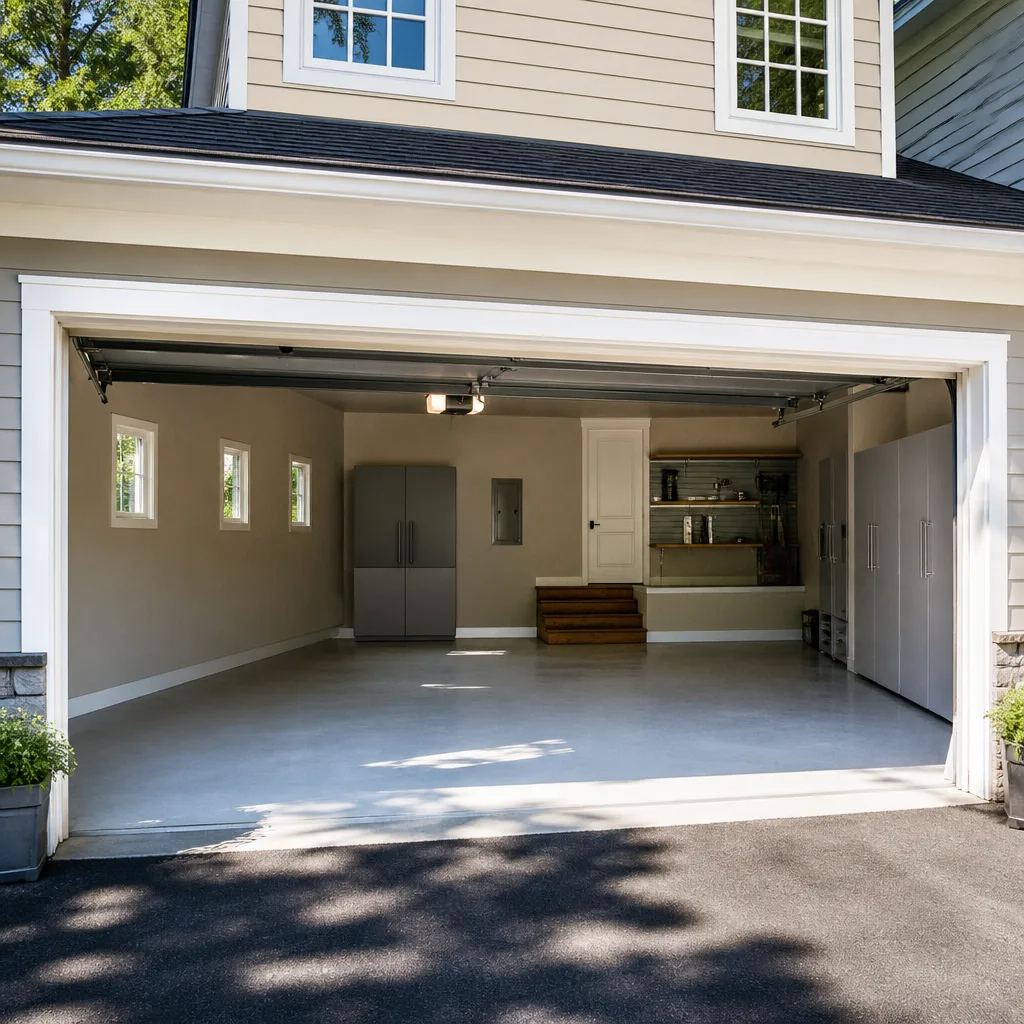 Chamberlain openers
Full 25-point door and opener safety check with every visit - springs, cables, rollers, tracks, and your LiftMaster or Chamberlain opener included
You get a price before we start. It does not change when the truck arrives.
Get your free estimateThe Complete Garage Door Repair Guide for Hollywood Homeowners
Most garage door failures in Hollywood aren’t random. Salt air corrosion attacks torsion spring coils at a measurably faster rate than inland climates, meaning a spring that would last 10,000 cycles in Atlanta may fail at 6,000 here. Coastal humidity works its way into roller bearings, bottom seals, and circuit boards in ways that generic national guides never mention. This guide maps every common garage door repair to the South Florida conditions that cause it, so you’ll know exactly what’s failing, why it’s failing, whether it’s urgent, and what a correct fix actually looks like in Hollywood. For hands-on help, explore our Garage Door Repair services.
Quick Answer
Garage door repair in Hollywood FL typically costs $125 to $450 depending on the specific component, and most repairs can be completed the same day a technician visits. The most common failures we see are snapped torsion springs (accelerated by salt air corrosion), seized roller bearings, corroded cables, and warped bottom seals caused by standing humidity. If your door isn’t opening, start by checking the opener, the springs, and the safety sensors before calling a professional, because a misdiagnosed spring failure can turn a $150 repair into a $900 opener replacement.
Styles & brands we work with
Table of Contents
- Why Hollywood’s Climate Destroys Garage Doors Faster Than Inland Florida
- The Eight Brands We See Most in Hollywood and Their Failure Patterns
- What’s Safe to Fix Yourself and What Isn’t
- Hollywood and Broward Wind-Load Codes: What They Mean for Repairs
- Opener Repair Is Its Own Discipline
- A Seasonal Maintenance Calendar Built for South Florida
- When to Call a Professional
- Frequently Asked Questions
Why Hollywood’s Climate Destroys Garage Doors Faster Than Inland Florida
We’ve worked on doors in Hollywood for years, and the pattern is consistent: the same garage door that lasts 15 years in Orlando will start showing serious wear at 8 to 10 years here. The difference isn’t the door. It’s the environment.
Hollywood sits directly on the Atlantic coast. The air carries salt particles from ocean spray, and those particles settle on every exposed metal surface on your garage door. When salt combines with the humidity that hovers above 70 percent for most of the year, it creates a corrosion cycle that works even when the door isn’t moving. Torsion springs are the primary victim. The spring coils that wrap or snap in Hollywood rarely show the clean, uniform metal you’d see on an inland failure. Instead, we typically see pitting, surface rust, and hairline fractures that started at corrosion points rather than at natural fatigue.
Here’s what fails most consistently in Hollywood, and why:
- Torsion springs: Salt air and humidity accelerate surface corrosion on the spring wire, and corrosion creates stress risers, tiny weak points where the metal cracks under normal tension. A spring rated for 10,000 cycles may only reach 6,000 or 7,000 in coastal Hollywood. When a torsion spring snaps, the door is done moving, full stop.
- Extension springs and safety cables: Older Hollywood homes still have extension spring systems, particularly on detached garages from the 1960s and 70s. The safety cables that thread through these springs are made of thin galvanized steel, and once the galvanization fails from salt exposure, the cable rusts through. That leaves an unguarded spring under tension, which is dangerous.
- Roller bearings: Steel bearings corrode from the inside out in humidity. The failure starts quietly, a grinding sound or a slightly jerky door movement. By the time the homeowner notices, the bearing has usually destroyed itself and scored the roller stem or the track.
- Bottom seals and weatherstripping: The rubber compounds used in standard bottom seals break down faster in constant humidity and UV exposure. A seal that starts cracking allows standing water, salt air, and insects into the garage, which then attacks everything else.
- Opener circuit boards and sensors: Salt air doesn’t just attack mechanical parts. Opener control boards corrode at the solder joints, and sensor housings develop oxidation on the lens that blocks the infrared beam. If your opener’s sensors randomly stop working, the problem is usually not the wiring, it’s a film of salt and grime on the sensor face.
The key point: in Hollywood, you should not wait until something visibly breaks. The environmental factors here are constantly working against your door hardware. A visual inspection every six months will catch corrosion at the stage where it’s still repairable instead of replaceable.
The Eight Brands We See Most in Hollywood and Their Failure Patterns
Hollywood is a mixed housing market. You’ll find mid-century ranch homes, 1980s and 90s subdivisions, and newer hurricane-code construction, and each generation of housing tends to have different door brands installed. We service eight of the most widely installed garage door and opener brands, LiftMaster, Chamberlain, Genie, Clopay, Amarr, Wayne Dalton, Craftsman, and Raynor, and we’ve learned the specific failure modes of each. See The Complete Guide to Garage Door in Hollywood for the full picture.
Here’s what we see in Hollywood, brand by brand:
LiftMaster and Chamberlain Openers
These two brands share a parent company and a similar internal architecture. In Hollywood, the most common failure on LiftMaster and Chamberlain openers is not mechanical, it’s electronic. The logic board sits in a plastic housing that isn’t sealed against humidity, and over time the solder connections on the board’s relays develop corrosion. The symptom is usually intermittent: the opener works one day, does nothing the next, clicks without moving, or runs the motor without engaging the gear. Homeowners often replace the remote battery or the wall switch first, but the problem is at the board level. A specialist can diagnose this in about ten minutes by testing voltage at the motor and listening to the relay sequence, and many boards can be repaired or replaced for less than a full opener replacement.
Genie Openers
Genie gear-driven openers have a known weak point: the drive gear, which is made of plastic or nylon and strips under excessive load. In Hollywood, that load problem is amplified by door imbalance caused by weakening springs. When a spring loses tension, the opener is lifting more of the door’s weight than it was designed to, and the plastic gear in a Genie is the first thing to give way. If you hear a grinding sound from a Genie opener, stop using it and have the spring tension checked. Replacing the gear without fixing the spring means buying another gear in twelve months.
Clopay Doors
Clopay is the most common door brand we service in Hollywood, especially on newer construction. The known failure point is the bottom panel. Clopay doors with steel construction hold up well against wind, but the bottom panel collects salt spray and standing water from the driveway, and rust begins at the lower edge. We regularly replace bottom panels on Clopay doors that are otherwise in excellent condition. The fix is straightforward if you catch it before the rust spreads to the panel stiffeners and the hinge mounts.
Amarr, Wayne Dalton, Raynor, and Craftsman
Amarr doors tend to fail at the hinge fasteners on salt-exposed garages. The factory screws are treated steel, but the repeated wetting and drying from coastal humidity causes them to rust at the threads, and a rusted screw can snap when the panel flexes. Wayne Dalton doors from the 1990s, particularly the mid-priced steel models, have frequent roller carrier failures because the carriers are riveted rather than bolted, and corrosion eats the rivet heads. Raynor and Craftsman are both reliable middle-of-the-road brands, but their spring ratings tend to be at the lower end of the duty cycle range, meaning they fail earlier in Hollywood’s corrosive environment than doors with higher-cycle springs.
Whatever door or opener you own, the brand matters. We service your brand, because the failure pattern on a LiftMaster is different from a Genie, and the right fix depends on knowing which one you’re standing in front of.
What’s Safe to Fix Yourself and What Isn’t
Let’s be clear about this, because too many garage door guides hedge, and the hedging gets people hurt. There are three components on a garage door that can kill or seriously injure you: torsion springs, extension springs, and the bottom lift cables. None of these should ever be touched by a homeowner, no exceptions. The tension stored in a wound torsion spring is enough to fracture bone or sever a hand if the winding bar slips. Extension springs stretch to double their length under load, and if a spring breaks while you’re working on it, the shrapnel from the spring and the safety hardware moves fast enough to cause permanent injury.
Now, here’s what is genuinely safe to fix on your own:
- Lubricating rollers, hinges, and springs: Use a lithium or silicone spray, never WD-40. WD-40 displaces moisture but doesn’t leave an adequate lubricating film, and it can actually strip the existing grease from roller bearings. Spray the roller stems, the hinge pins, and the spring coils, and the door will run noticeably quieter in about five minutes.
- Cleaning sensor lenses: Your opener’s safety sensors are the two small boxes mounted near the floor on each side of the door opening. Wipe both lenses with a dry cloth. This clears the salt film and dust that blocks the infrared beam and causes the door to refuse to close. If the sensors are misaligned, Loosen the wing nut, adjust the sensor until the indicator light on both units is solid, then re-tighten.
- Replacing the bottom rubber seal: The rubber strip or bulb seal at the bottom of the door slides into a metal or plastic retainer. You can pull the old seal out and slide a new one in with no special tools. This is a 30-minute job that will improve the garage’s insulation and reduce water intrusion during Hollywood’s wet season.
- Tightening loose hinge and track bolts: Check the bolts on all hinges, the track brackets, and the opener motor mount. If any are loose, tighten them with a socket wrench. A door that rattles during operation is usually a loose hinge bolt, not a structural problem.
- Battery replacement in remotes and keypads: If your remote’s range has dropped, replace the battery before doing anything else. A weak battery is the most common remote issue and costs three dollars.
If the job involves any spring, any cable under tension, or any structural part of the door itself, call a professional. In Hollywood, where the corrosion has often been attacking the metal for years before you notice, the safe path is to have a technician inspect the full system rather than trying to guess which single part is failing.
Hollywood and Broward Wind-Load Codes: What They Mean for Repairs
Hollywood is in Broward County, which is a high-velocity hurricane zone, one of the most demanding wind-load areas in the country. That code classification affects what you can repair and what you must replace, and it’s one of the most overlooked parts of garage door repair in Hollywood FL.
The short version: Broward County requires garage doors to meet specific wind-load ratings that vary by location, door size, and exposure category. A door that was compliant when it was installed may not be compliant under current code if major components are replaced. More importantly, a door that lost its wind-load rating because of structural repairs or panel replacements may not be legal to keep, even if it still opens and closes.
Here’s what that means in practical repair terms:
- Panel replacement on wind-rated doors: If your door has a wind-load label, typically a sticker or metal plate on the inside of one of the panels, replacing a damaged panel with a non-rated panel voids the door’s certification. The replacement panel must come from the same manufacturer and meet the same wind-load rating. This is one of the reasons you call a specialist who knows the difference between a coded panel and a generic one.
- Track and bracket replacement: In a high-velocity hurricane zone, the tracks, brackets, and jamb anchors are part of the wind-load system. Replacing a bent track with an off-the-shelf track without the appropriate heavy-gauge anchors can compromise the door’s ability to stay attached to the house in a storm.
- Spring replacement on wind-rated doors: The springs don’t carry the wind load directly, but the wrong spring weight or cycle rating changes how the door operates under load, which affects the opener and the track. A properly matched spring is part of keeping a wind-rated door functioning as designed.
- Full replacement triggers full compliance: If your door is beyond repair and you replace it, the new door must meet current Broward County wind-load requirements, which may be stricter than what was required when your house was built. A garage door installation in Hollywood that doesn’t include wind-load certification is a code violation waiting to be flagged at resale or after a storm.
The practical takeaway: don’t have a non-specialist replace panels or tracks on a Hollywood garage door. The wind-load rating is not a sticker, it’s an engineering certification, and cutting a corner on repair hardware can mean the door fails the next time it matters most.
Opener Repair Is Its Own Discipline
We list opener repair as a standalone service for a reason: a garage door opener is a motor, a gearbox, a logic board, a radio receiver, and a safety sensor system all working together, and diagnosing a failure requires understanding all five. General repair companies often avoid opener work because the electronic diagnosis takes training and test equipment. The opener has a diagnosis, not just a symptom.
Here are the most common opener symptoms we see in Hollywood and what they actually mean:
- Motor runs but door doesn’t move: This is almost always the drive gear stripped inside the opener. On LiftMaster and Chamberlain units, the gear is metal with a plastic worm that strips under load. On Genie units, it’s the plastic drive gear. The correct repair is gear replacement, not opener replacement, unless the motor is also failing.
- Door reverses immediately after touching the floor: This is the safety sensor system doing exactly what it’s designed to do. Something is blocking or misaligning the infrared beam. Clean the lenses, check the alignment, and test the door. If the problem persists, the sensor is failing and needs replacement, not adjustment.
- Door opens on its own or won’t respond to the wall switch: This is often a shorted wire or a failing logic board. The fix starts with testing the wall switch and the wiring for continuity, then moves to the board if the wiring is clear. In salt air environments, we see board corrosion on the relay contacts as the root cause in a significant percentage of these cases.
- Opener hums but the door only moves an inch, then stops: The motor capacitor or the starter circuit is failing. This is a repairable condition, but continuing to press the button with a bad capacitor will burn out the motor windings and turn a component repair into a full replacement.
- Remote works only from the driveway, not from the street: The opener’s antenna or receiver board is degrading. Some units have a replaceable antenna wire, and some don’t. If we can’t restore range with a replacement antenna, the receiver board is the next step.
For a deep dive into opener-specific diagnostics, see our garage door opener repair in Hollywood page. The short version: every opener symptom means something specific, and the right repair is the one that fixes the cause, not the one that quiets the symptom for two weeks.
A Seasonal Maintenance Calendar Built for South Florida
National garage door guides will tell you to clean the tracks in the fall and lubricate the springs in the spring, but Hollywood doesn’t have a fall or a spring. We have a wet season that runs roughly from May through October and a dry season from November through April, and the maintenance schedule that works elsewhere has to be adapted to that reality.
Here’s the maintenance calendar we recommend for Hollywood homeowners:
- Late April, before the wet season begins: Replace or repair your bottom seal. This is the single most important maintenance task in Hollywood, because a compromised bottom seal during five months of daily thunderstorms lets water and humidity into the garage every time it rains. While you’re down there, inspect the track brackets for corrosion and the hinge bolts for looseness.
- Mid-June, one month into the wet season: Wipe down your sensor lenses. Humidity and salt air have already had a month to build up, and if the sensors are going to fail from buildup, June is when it happens. Spend four minutes with a dry cloth and save yourself a $150 service call.
- Late August, peak humidity: Lubricate the rollers, hinges, and springs with lithium spray. The constant moisture is trying to wash away the protective lubricant, and August is when you’ll hear the grinding sound if you skip this step.
- Early November, as the dry season begins: Inspect the springs and cables closely for surface rust. The dry season gives you a window when corrosion slows down, and if you catch pitting or fraying now, you can have it addressed before the next wet season accelerates it.
- Late January, mid-dry season: Test the full cycle of the opener with the auto-reverse feature. Place a 2×4 flat on the ground under the door’s path and close the door. If the door doesn’t reverse when it contacts the wood, the opener’s force settings or sensors need adjustment, and you’ve just caught a safety issue during the season when garage doors get the most use.
This five-check calendar takes about 30 minutes a year total and will extend the life of your springs, cables, and rollers significantly. For additional upkeep ideas, browse more guides & resources. In Hollywood’s environment, the homeowners who skip maintenance see their first major repair two to three years earlier than the homeowners who don’t.
When to Call a Professional
Some garage door issues are straightforward enough to handle with a spray can and a socket wrench, and we’ve listed those above. But if you’re experiencing any of these specific situations in Hollywood, calling a professional is the right move: a snapped or visibly rusted torsion spring, a door that hangs crooked or drops suddenly when closing, frayed or broken lift cables, a door that won’t stay open, an opener that makes a grinding or clicking sound under load, or any issue on a wind-rated door that involves the panels, tracks, or anchors.
These are not just inconvenience problems. A door that drops suddenly can injure a person or pet. A broken cable on a heavy door can whip under tension. And a wind-rated door with compromised hardware is a structural risk in a hurricane zone. Garage door repair in Hollywood is not the place to test your DIY limits, especially when safety is on the line. Bright Star Garage Door Repair offers free estimates in Hollywood, call (833) 589-8106, and we’ll give you an honest assessment of what’s actually wrong.
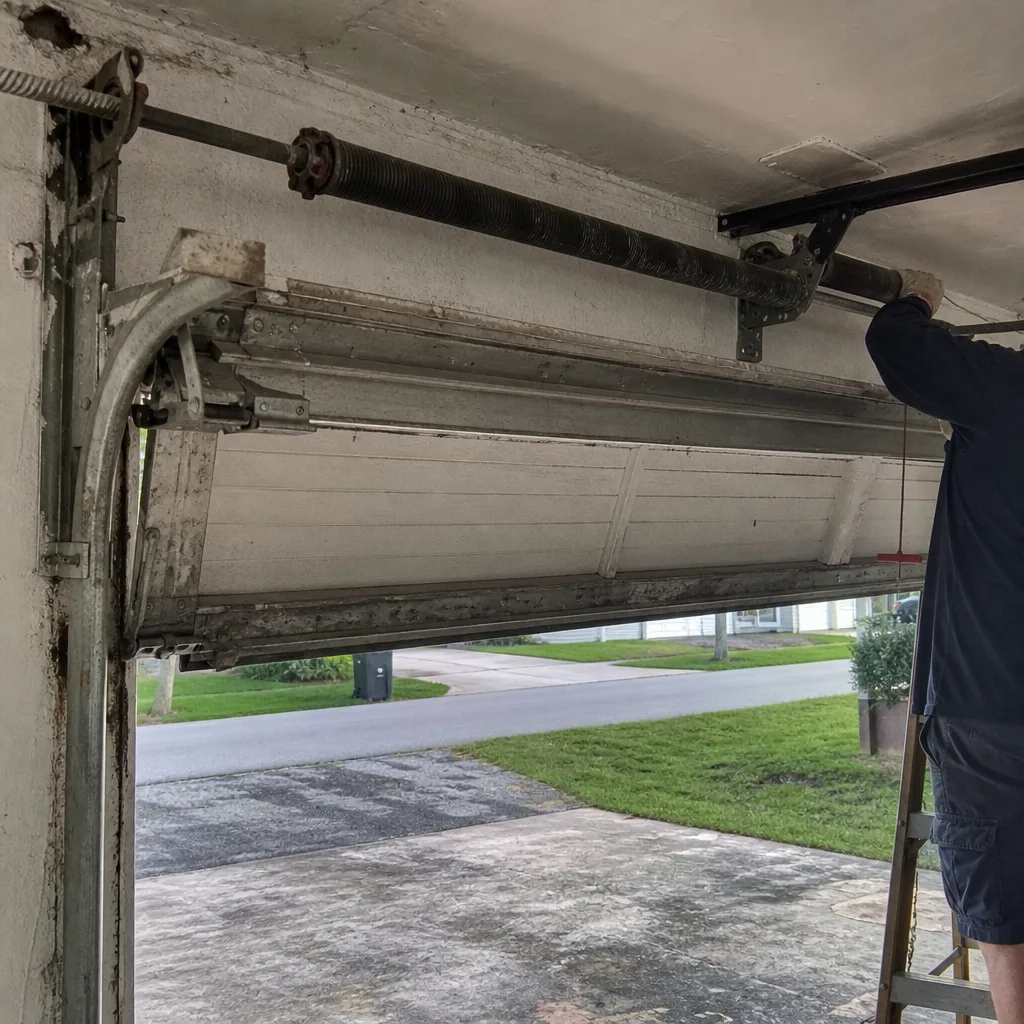
See the difference
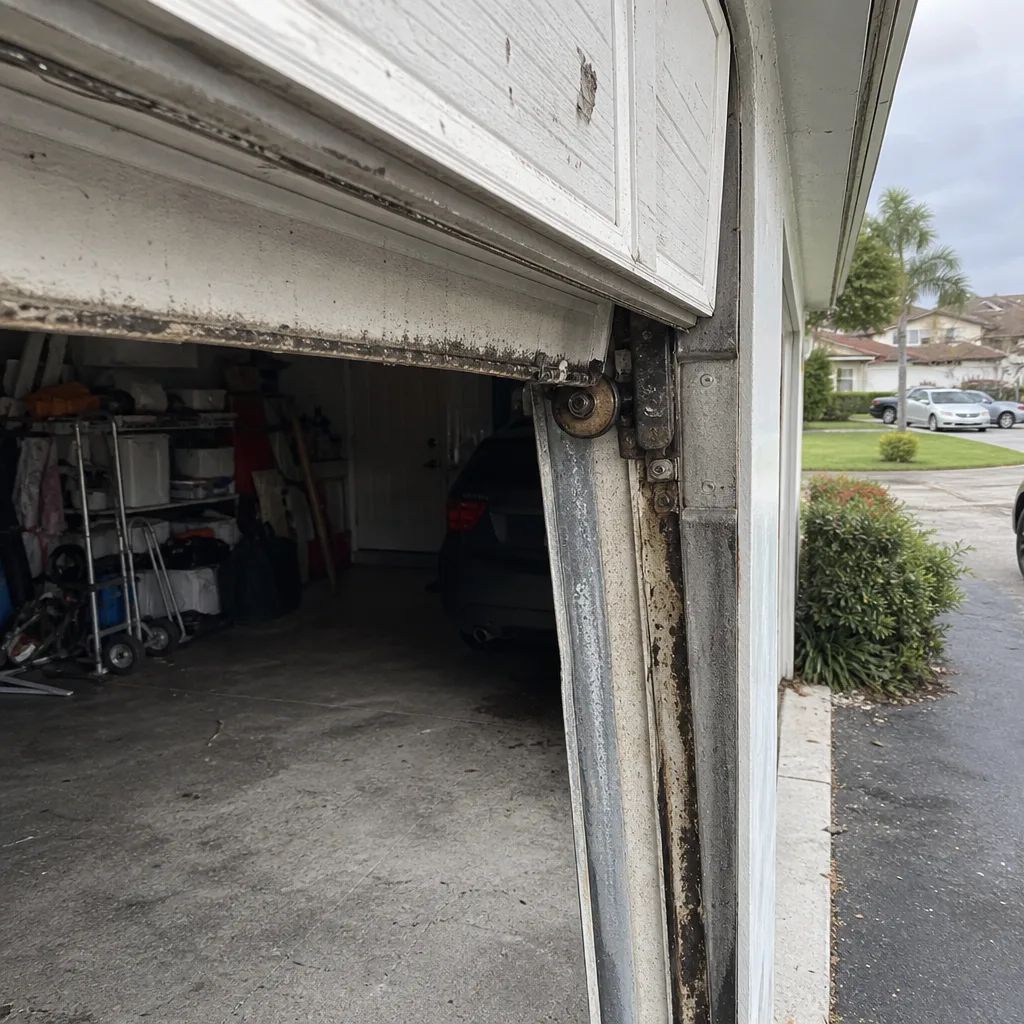 Before
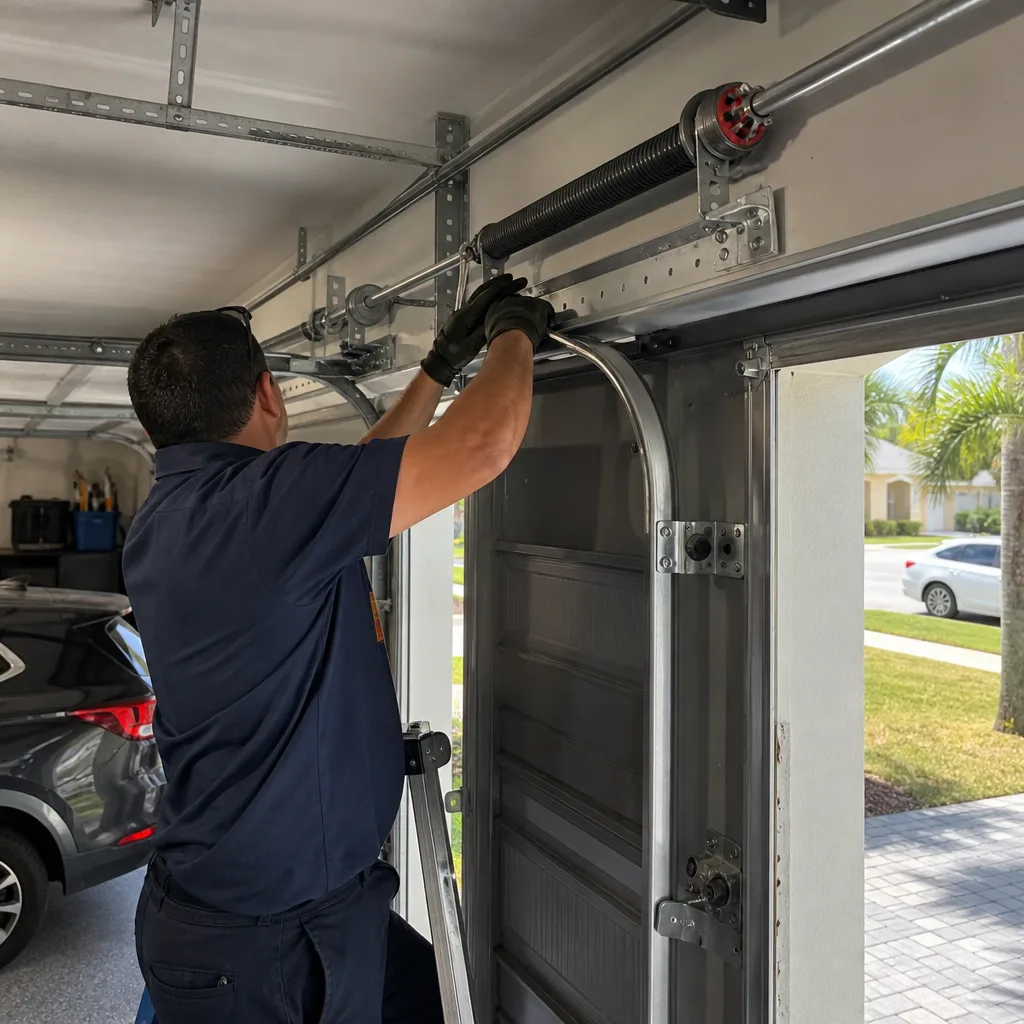 After
 Before
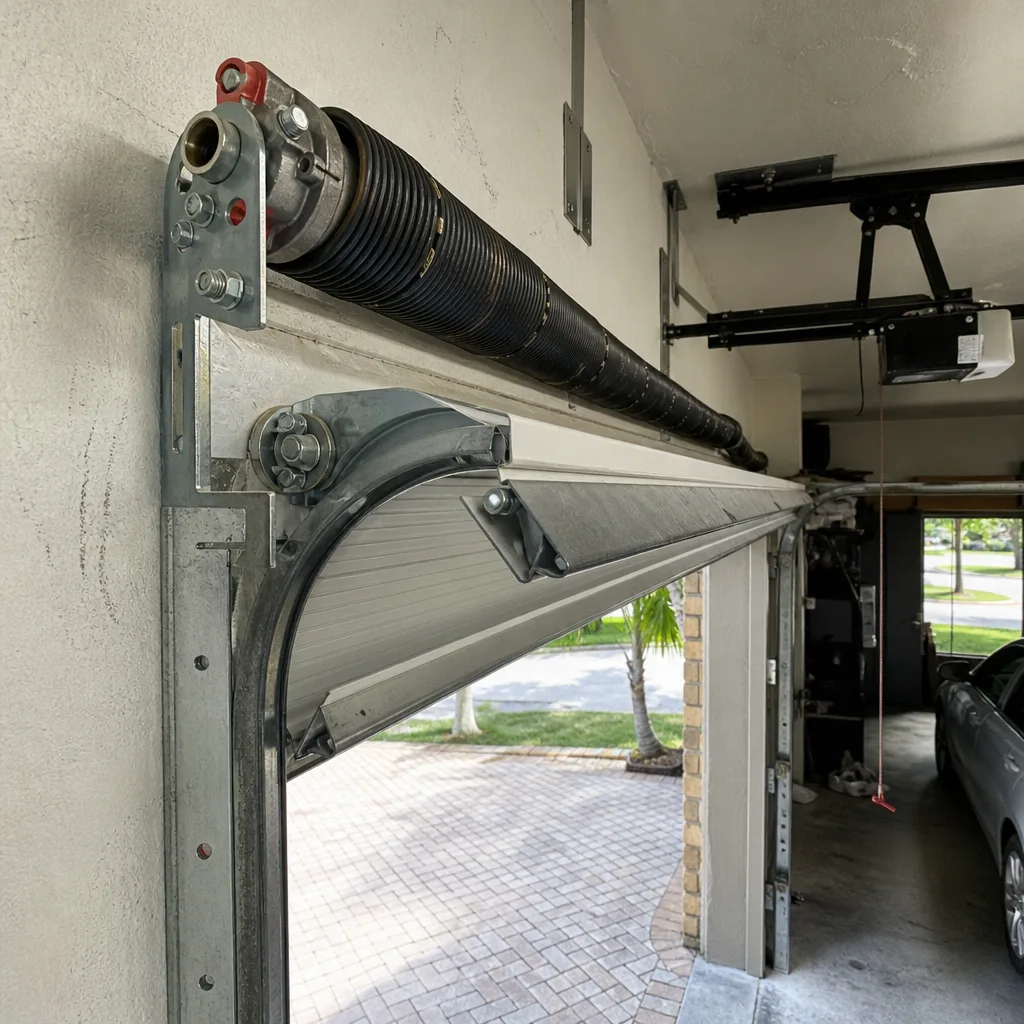 After
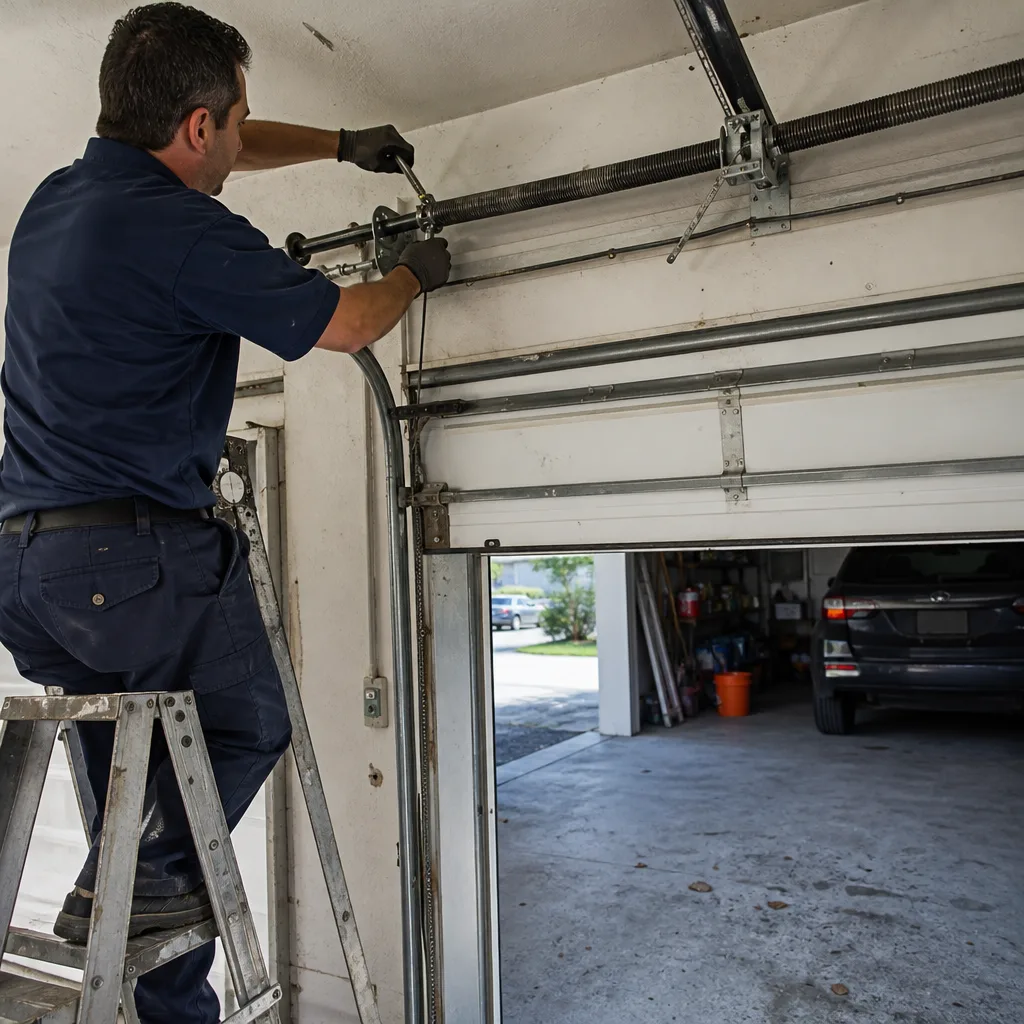 Before
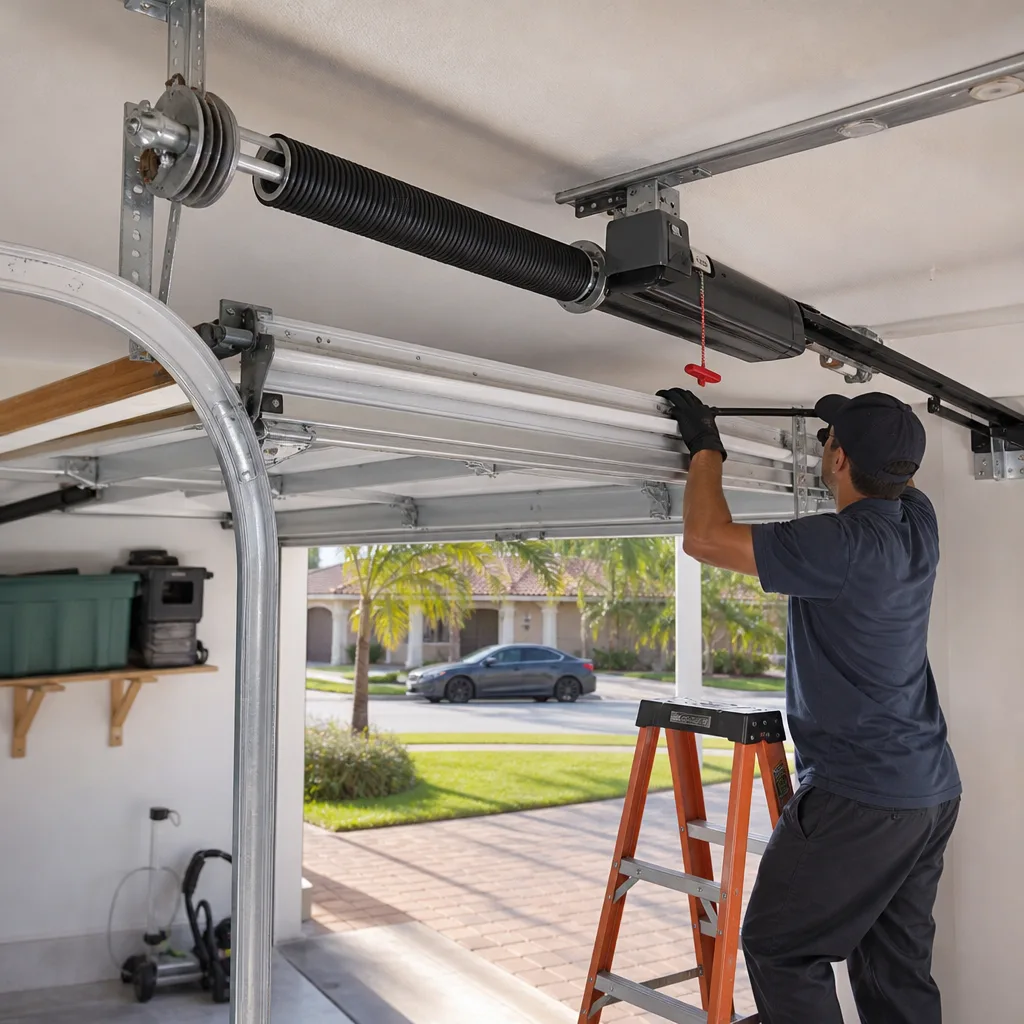 After
Common Mistakes to Avoid
- Using WD-40 on rollers and springs. WD-40 is a water displacer, not a long-term lubricant. It will strip the existing grease from your roller bearings and leave the metal unprotected against Hollywood’s salt air.
- Replacing the opener before checking the springs. When a door is unbalanced because of a weakened spring, the opener is working against more weight than it was designed for. If you replace the opener without fixing the spring, the new opener burns out its motor or strips its gear within a year or two.
- Ignoring surface rust on springs. Rust on a torsion spring is not cosmetic. In Hollywood’s coastal environment, every rust pit is a potential fracture point, and a spring that still looks okay may be six months from snapping. Rusty springs should be inspected by a professional before they fail.
- Replacing one spring on a two-spring door. Two-spring doors are balanced systems. If one spring snaps and you replace only that one, the new spring and the old spring have different tension and different cycle ratings, and the door operates unevenly, putting extra strain on the opener and the tracks. Both springs should be replaced together.
- Using non-rated replacement parts on a wind-loaded door. In Hollywood, the wind-load rating on your door is part of the building code. Replacing a track or panel with a generic part voids the door’s certification and can fail a home inspection when you sell.
- Waiting for the wet season to fix a bottom seal. The bottom seal is your garage’s first line of defense against the humidity that accelerates every other failure. If the seal is cracked or warped in January, replace it then, not in June.
- Ignoring opener symptoms because the door still opens. A grinding gear, a slow motor, a delayed start, these are all warnings that something inside the opener is failing. The repair cost at the first symptom is usually a fraction of the cost after the component destroys its neighbors.
Frequently Asked Questions
Garage door repair in Hollywood FL typically costs $125 to $450 depending on the component. A single torsion spring replacement generally runs $180 to $340 including parts and labor, roller replacement is $100 to $180, cable replacement is $150 to $250, and opener gear or circuit board repairs range from $150 to $350. At Bright Star Garage Door Repair, we quote your exact price before any work begins, and that price doesn’t change once you approve it. Call (833) 589-8106 for a free estimate.
A garage door spring in Hollywood lasts 6,000 to 8,000 cycles on average, compared to the 10,000 cycles the same spring would achieve in an inland climate. The difference is salt air corrosion, which creates microscopic pitting on the spring wire and gives fatigue fractures a place to start. For a typical Hollywood household that operates the door three to four times a day, that works out to roughly 6 to 8 years of service per spring.
Yes, in almost all cases we can have a technician at your Hollywood home the same day you call. We keep a full inventory of springs, cables, rollers, and common opener parts on every truck, which means most repairs are completed during the first visit. Call (833) 589-8106 and we’ll give you a real arrival window and a free estimate before you commit.
The most common garage door failure in Hollywood is a snapped torsion spring, caused by the combination of salt air corrosion and normal cycle fatigue. It’s also the most dangerous repair to attempt yourself, because the spring is under enough tension to cause serious injury if it releases while you’re working on it. If you hear a loud bang from the garage and the door won’t open, you’ve likely lost a spring, and you should stop operating the door immediately.
Yes, our trucks in Hollywood are stocked with the most common repair parts for the brands we service, including torsion springs in standard sizes, extension springs, lift cables, roller assemblies, hinges, bottom seals, and common opener components for LiftMaster, Chamberlain, Genie, and Craftsman units. The goal is to complete the repair during the initial visit so you’re not waiting for parts to arrive.
We service eight of the most widely installed garage door and opener brands: LiftMaster, Chamberlain, Genie, Clopay, Amarr, Wayne Dalton, Craftsman, and Raynor. Whether your Hollywood home has a builder-grade Wayne Dalton door with a Chamberlain opener or a premium Clopay door with a LiftMaster system, we service your brand, not just one or two manufacturers.
No, the price we quote is the price you pay. We diagnose the problem, give you the repair price right there, and you approve it before any work starts. You’ll never see a surprise line item added to the invoice because we found something else once the door was open. If we do find additional damage during the repair, we stop and show you exactly what we found and what it will cost to fix before we continue. Call (833) 589-8106 for a free estimate on garage door repair in Hollywood.
The Bottom Line
Garage doors in Hollywood face a unique combination of coastal corrosion, year-round humidity, and hurricane-code regulation that most national guides ignore. Springs fail faster here, opener boards corrode sooner, and wind-load compliance affects what parts you can legally install. The right approach is preventative: a twice-yearly maintenance cadence tuned to the wet and dry seasons, a professional inspection at the first sign of rust or noise, and repairs handled by a professional who knows Hollywood homes specifically. Whether you need a spring replacement, an opener diagnosis, or a full garage door installation that meets Broward code, one company handles it start to finish. Call Bright Star Garage Door Repair at (833) 589-8106 for a free estimate, and we’ll tell you exactly what’s wrong and what it costs to make it right. For more on what we do, visit our Bright Star Garage Door Repair home page.
Written by the team at Bright Star Garage Door Repair, serving Hollywood since 2012.